The cheapest Mac ever made went on sale in March, and the PC industry has been scrambling ever since. Apple’s MacBook Neo, unveiled March 4 in New York, starts at $599 — $500 below the entry-level MacBook Air — and it runs on an iPhone chip. The response from the Windows camp, slow at first, is now taking shape across the industry.
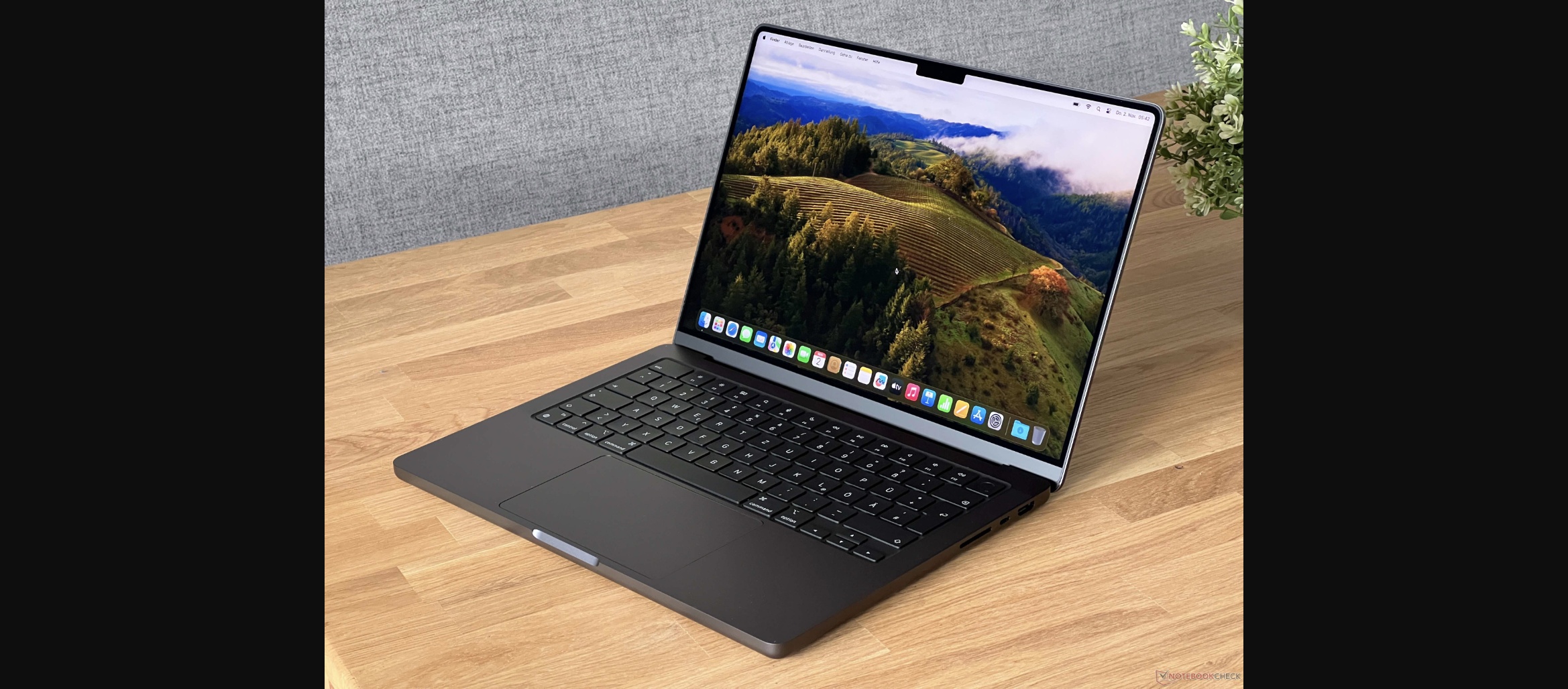
The Neo is an unusual machine for Apple. It uses the A18 Pro processor from the iPhone rather than the M-series chips that power every other Mac. It comes in four colors — silver, indigo, blush pink, citrus yellow — with a 13-inch display, no notch, and up to 16 hours of claimed battery life. To hit the price, Apple stripped out features the Mac line has long taken for granted: no keyboard backlighting, no Touch ID on the base model, no MagSafe, no Thunderbolt, and two USB-C ports that are not even equivalent, with the right one limited to USB 2 speeds. A $699 configuration adds Touch ID and doubles the storage to 512GB.
Analysts initially dismissed the machine as a niche play for students and first-time Apple buyers. Then the sales data started coming in. The Neo has become Apple’s fastest-selling laptop in its first quarter, according to people familiar with the company’s figures, and it has pulled customers who previously would have bought a Windows machine in the $500-to-$700 range. That is the exact territory where the PC industry’s volume lives.
The Windows response has been building through the spring. At Computex in May, Microsoft and Nvidia unveiled the Surface Laptop Ultra, a 15-inch machine built around Nvidia’s RTX Spark platform, with configurations reportedly reaching 128GB of unified memory and about a petaflop of AI compute. Microsoft positioned it as a MacBook Pro-class machine with Windows compatibility, and Dell, HP, Lenovo, Asus, Acer, MSI and Gigabyte all announced RTX Spark designs of their own.
The pitch is notable for what it copies. Apple’s M-series chips proved that unified memory, ARM efficiency and tight hardware-software integration could make laptops feel different. Nvidia’s RTX Spark borrows that structure — the chip, the memory and the software come from one vendor — while aiming at the workloads Apple has never fully owned: CUDA-heavy AI, gaming and workstation-class graphics.
Qualcomm, meanwhile, has kept pushing its Snapdragon X series. The new Snapdragon X2 Elite chip delivers 80 trillion operations per second of AI processing, nearly double the best x86 processors, and ARM-native battery life is approaching MacBook levels. Reviewers have measured the X2 Elite sustaining 97% to 99% of plugged-in performance on battery, a figure that directly answers the old knock against Windows laptops. For Microsoft’s Copilot+ PC certification, which requires a minimum of 40 trillion operations per second, Qualcomm is clearing the bar with room to spare.
The results are visible in reviews. The Asus Zenbook A14, powered by the X2 Elite, beat the MacBook Air M5 in multi-core benchmarks while selling for $1,350. The HP OmniBook 3 16 claims up to 40 hours of battery life. For the first time in years, Windows machines are winning comparisons against MacBooks on their own turf — performance per watt.
The competition now spans four architectures. Apple Silicon, Intel’s Panther Lake, AMD’s Gorgon Point and Qualcomm’s Snapdragon X2 Elite are all chasing the same buyers, and the laptop chip market is more competitive than it has been in decades, analysts said. The last time the industry saw this kind of fight was the transition from single-core to multi-core processors twenty years ago.
The Neo’s role in all of this is indirect but real. Apple’s $599 machine reset the price expectations for a good laptop. It also gave the Windows camp a concrete target: a thin, light, all-day machine at a price the PC industry had ceded to Chromebooks and cheap clunkers. Every Windows design announced this spring, from the Surface Laptop Ultra down to the budget Snapdragon machines, is an answer to a question Apple asked in March.
The beneficiaries are consumers. Prices are falling, battery life is rising, and the days when a Windows laptop lost half its performance unplugged are ending. The ARM transition on Windows, declared dead more than once over the past decade, is finally happening — forced by a competitor that showed what the architecture could do. There are trade-offs: ARM machines still run fewer games and specialty programs than their x86 rivals, a gap reviewers note before recommending them to gamers and power users.
The question now is how far the PC industry goes. Microsoft has staked its premium position on RTX Spark; Qualcomm is pushing into cheaper tiers with new chips; Intel and AMD are adding neural processing to x86 at a pace they would not have chosen voluntarily. The Neo itself has critics — developers and video editors will hit its limits quickly — but as a market force, it has already done its job.
For Apple, the machine is a wedge. The Neo draws first-time buyers into the ecosystem, where they are far more likely to buy an iPhone, an iPad and a watch than the average Windows owner. For the PC industry, the Neo is a reason to move faster than it wanted to. Either way, the laptop market has not been this interesting in years — and the consumer is the one holding the better machine.