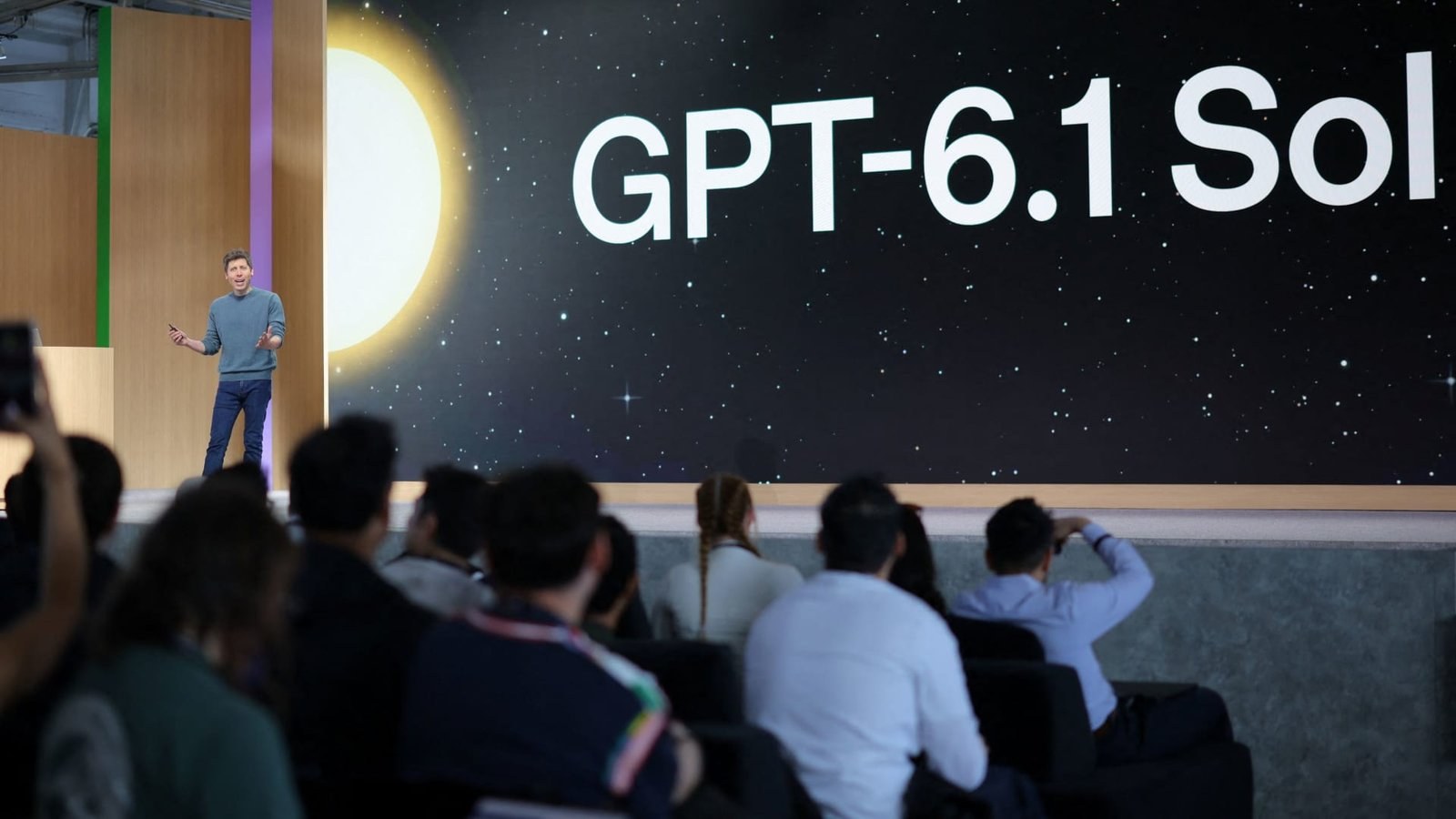
The post went up on X late on a Sunday, and the tech industry spent the next day parsing it. Sam Altman, OpenAI’s chief executive, announced that OpenAI Robotics was hiring engineers across hardware, operations, systems and machine learning, asking for candidates with exceptional backgrounds to help design and build robots that are useful to society. “AI should be able to help people in the physical world,” Altman wrote, adding that in the short term the company is focused on robots that support skilled workers building future infrastructure, and that in the long term it imagines everyone having a personal robot.
The announcement is notable mainly for its ambition. OpenAI has spent the past several years consolidating its position as the leading seller of software intelligence, with ChatGPT and the API business that powers much of the industry. Robots are a different kind of business: hardware, manufacturing, supply chains, safety certification, field service. Altman’s post acknowledges the change of pace, directing interested candidates to contact the robotics recruiting team directly rather than applying through the usual portal, a sign that the company is moving faster than its conventional hiring process would allow.
The effort has been building quietly. According to people familiar with the program, OpenAI’s robotics push grew out of its world simulation research, a group that has been building environments where AI systems can practice interacting with physical space before they touch a real robot. The initiative is led by Aditya Ramesh, a researcher best known for his work on image generation, who has been running the world simulation program. The logic is straightforward: a robot that can already anticipate what happens when it moves an object or opens a door needs far less real-world trial and error.
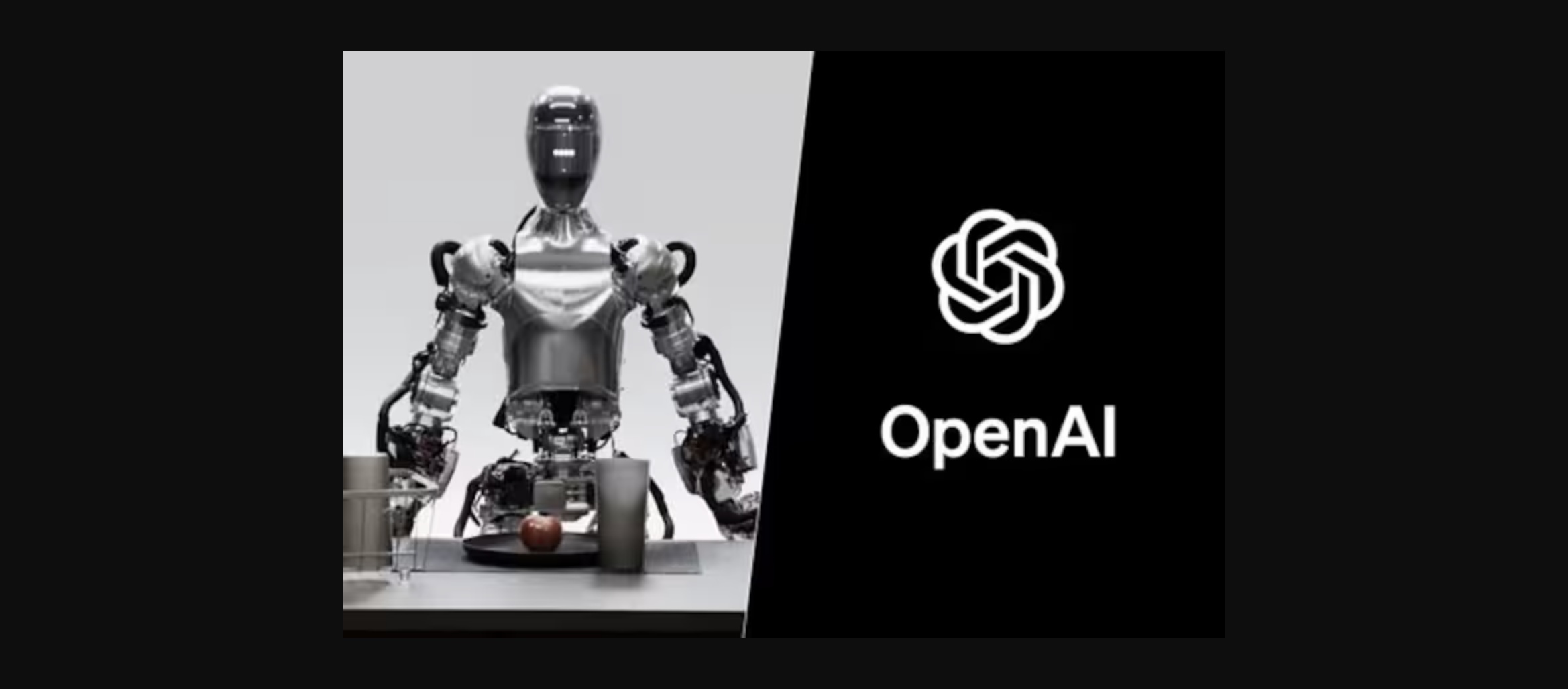
OpenAI has been here before. The company had a robotics team in its early years, working on a hand that could learn to manipulate objects, before winding the effort down in 2021 to focus on language models. Since then it has invested in robotics companies rather than building hardware itself, backing Figure, a maker of humanoid robots, and 1X, a Norwegian robotics firm, as part of a broader portfolio of bets. The new hiring drive does not mean OpenAI will abandon those investments, but it signals that the company wants its own hands on the hardware.
The competitive context is crowded and getting more so. Tesla has been developing Optimus, a humanoid robot that Elon Musk has said will one day perform dull, dangerous and repetitive work, and Chinese companies including Unitree and UBTech have pushed humanoid development at a pace that has startled Western observers. South Korea has made humanoids a national priority. Altman’s framing, robots that help skilled workers build infrastructure rather than replace them, is a deliberate contrast with the labor-displacement rhetoric that has surrounded some rivals, and analysts said the positioning reflects both genuine design thinking and a desire to avoid the political heat that comes with promising job losses.
The short-term focus on infrastructure is also practical. Robots that weld, lift, inspect and assemble are closer to commercial reality than general-purpose household machines, and they serve the data center buildout that OpenAI and its rivals are racing to complete. The company has said it plans to spend heavily on computing infrastructure, and robots that can help construct and maintain those facilities would close a loop between OpenAI’s digital ambitions and its physical needs. A person close to the company said the robotics group sees construction and industrial maintenance as the beachhead where the technology can prove itself on safety, reliability and unit economics before anyone tries to sell a robot for the kitchen.
The long-term promise is the harder sell. Altman’s vision of a personal robot for everyone, a machine that can do anything you need, is the kind of statement that excites researchers and alarms everyone who has to price a product. Analysts note that household robotics has a graveyard of failed attempts, from vacuum robots that got stuck on cords to humanoids that could not reliably open a door. The technology has improved dramatically, with multimodal models giving robots something close to common sense, but the gap between a robot that works in a lab and one that works in an unpredictable home remains large.
What OpenAI brings to the problem is capital, data and the software stack. Its models can give robots perception and reasoning that earlier generations lacked, and its cloud infrastructure can train policies at a scale that startups cannot match. Its reputation for moving fast, and for being willing to ship products that are not perfect, could help in a field where companies often spend a decade perfecting a prototype.
The announcement also lands at an awkward moment for the company. Altman has been publicly preparing economies for the disruption AI will cause, and a robotics push that promises to put machines in the physical workforce will only sharpen questions about which jobs disappear first. OpenAI’s answer, that its robots will assist skilled workers rather than replace them, is the same answer every robotics company gives. Whether the industry can hold that line as the machines get better is one of the defining questions of the decade. For now, the company is hiring, and the robots are still on the drawing board.