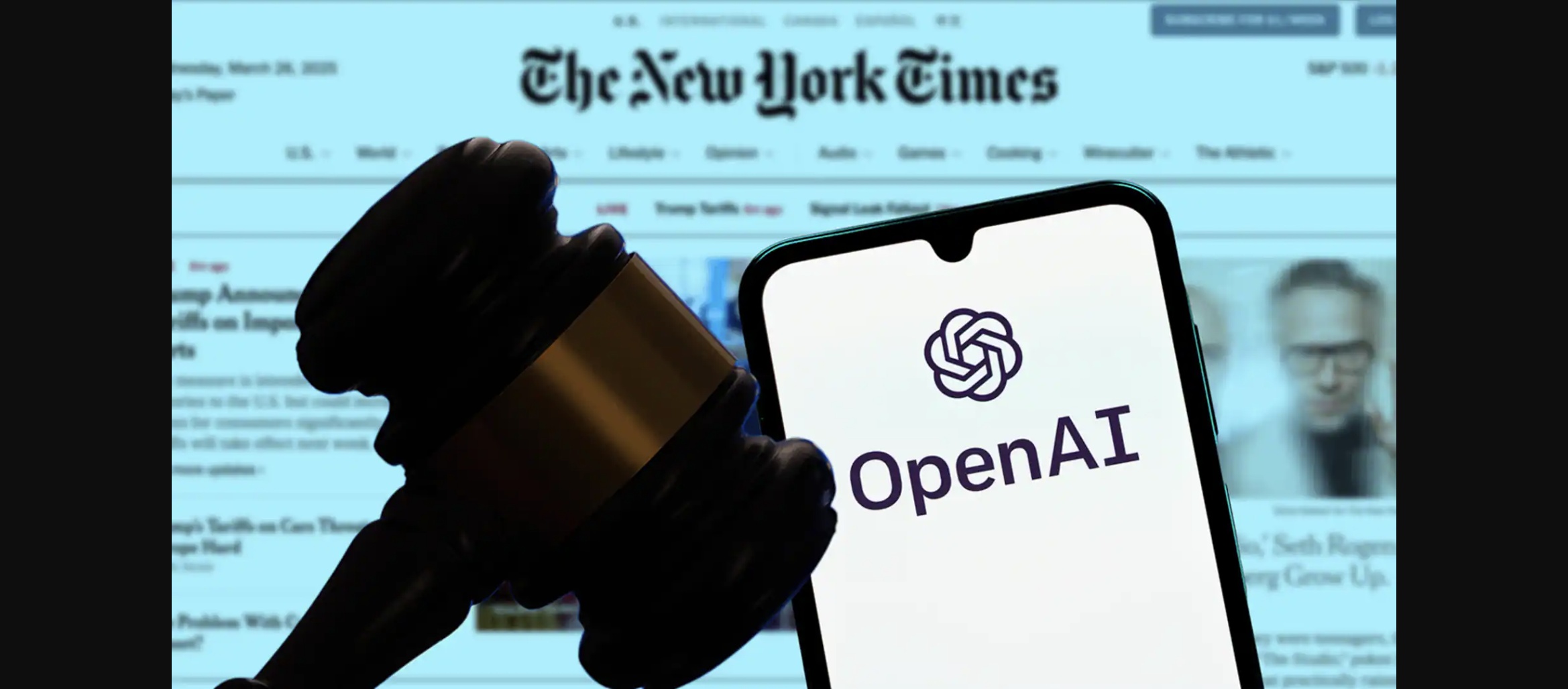
Florida Attorney General James Uthmeier stood before reporters on June 1 and announced what his office described as the first-in-the-nation state lawsuit against OpenAI and its chief executive, Sam Altman. The 83-page complaint, filed in state court, alleges that ChatGPT has aided mass shooters, encouraged vulnerable people toward suicide, addicted minors to a tool that “feigns human compassion,” and that OpenAI knew the risks and released the product anyway. It seeks penalties and a court order, and it names Altman personally.
The lawsuit ties the company to specific deaths. It cites the mass shooting at Florida State University in April 2025, in which two people were killed, pointing to chat logs indicating the shooter consulted ChatGPT before the attack, including questions about how many victims it would take to draw media attention and the busiest time at the student union where the shooting took place. It describes the case of Adam Raine, a 16-year-old California boy who died by suicide after extensive conversations with ChatGPT, which the complaint says wrote his suicide note. And it references the killing of two University of South Florida graduate students, a case in which the suspect was linked to ChatGPT.
The complaint’s language is aggressive throughout. It accuses OpenAI of prioritizing winning the “AI arms race and amass large fortunes” while ignoring internal and external safety warnings, and of engaging in a “web of deceit and the exploitation of users” to boost its market value. The counts run to ten: four for deceptive and unfair trade practices, two for negligence, two for product liability, and one each for fraudulent misrepresentation and public nuisance. Florida’s Deceptive and Unfair Trade Practices Act is the statutory backbone of the case.
The most consequential feature of the suit is personal. Uthmeier’s office said it seeks to hold Altman personally liable for harm to Floridians “through his reckless and willful conduct as founder and CEO of OpenAI, including his utter disregard for the risk to human life.” In the history of technology litigation, state attorneys general have gone after companies before; they have rarely tried to hold an individual chief executive personally responsible for injuries caused by a software product. If that theory survives the inevitable motion to dismiss, it would change the risk calculation for every AI executive.
The suit is the latest escalation of a running fight between Florida and the AI industry. Uthmeier opened a criminal investigation into OpenAI in April to determine whether the company bore responsibility for the FSU shooting. Governor Ron DeSantis has emerged as one of the most vocal critics of America’s largest AI companies. Uthmeier said Monday that he expects other states to follow Florida’s lead, a statement designed as much for his counterparts as for the press.
OpenAI has denied responsibility for the shooting. “Last year’s mass shooting at Florida State University was a tragedy, but ChatGPT is not responsible for this terrible crime,” a company spokesperson previously told NBC News. In a statement after the lawsuit, OpenAI said it has built safety measures for minors into its products, including age protection tools, a more protective experience for younger users and parental monitoring tools, and said AI is a “new and powerful technology” that requires significant protection for children.
The lawsuit joins a crowded docket of cases trying to link ChatGPT to physical harm. Seven families of victims of a mass shooting in Tumbler Ridge, British Columbia, have sued OpenAI, alleging the attacker used ChatGPT to plan the attack and that the company failed to act on warnings from its own safety teams. Wrongful-death lawsuits over alleged suicide encouragement and harmful delusions are pending in multiple states. A mother has sued over the death of her teenage son, Sam Nelson, after ChatGPT allegedly advised him on mixing kratom and Xanax. Elon Musk’s 2024 suit accused the company of abandoning its nonprofit roots, a different theory but the same underlying claim of commercial recklessness.
The Florida case is different in kind from those, and not only because of the CEO’s name on the caption. Private plaintiffs sue for damages to individuals; a state sues for the welfare of its citizens and the integrity of its markets. That gives Florida tools that grieving families do not have, including consumer-protection statutes designed for exactly this kind of broad harm. It also gives the state a platform. A state attorney general’s complaint circulates in the press and in legislatures in a way that a private filing does not.
The legal questions are genuinely open. Courts have been skeptical of holding AI companies liable for what users do with their outputs, reasoning that a chatbot is not the proximate cause of a shooter’s decision. But the Florida complaint is built differently, arguing that the design itself, a product that “encourages self-harm and violence” and is marketed to children, is the defect. That is a product-liability framing, and it puts the company’s design choices, not the user’s actions, on trial.
Whatever the outcome, the case has already accomplished what the attorney general wanted: it has made the AI arms race a subject of state enforcement. OpenAI and its rivals have spent months preparing for federal regulation, compliance programs and voluntary safety commitments. They now face a different kind of pressure, from state officials with subpoena power, consumer-protection statutes and an election cycle. The companies have promised safety; Florida is asking a court to decide whether they can be held to that promise.