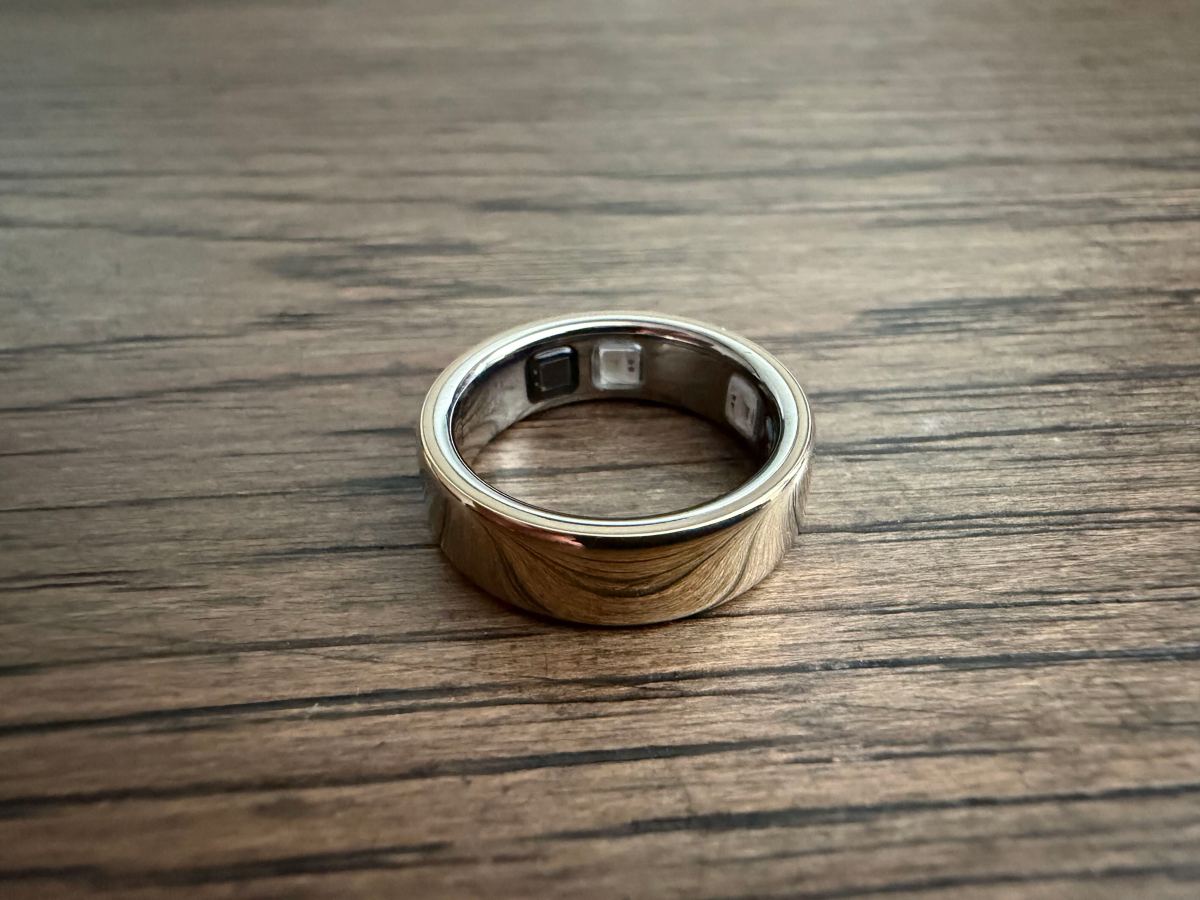
The computer on your finger is getting an upgrade. Oura, the company that made the smart ring a category, has released the fifth generation of its namesake device, and the reviews are in: thinner, lighter and more comfortable, with sensors that track health more precisely than before. TechCrunch and The Verge published assessments this week, both broadly positive.
The new ring cuts noticeable weight and thickness from its predecessor while adding upgraded health tracking. The sensors, which measure heart rate, temperature, sleep stages and activity, have been refined for accuracy, and the fit has been redesigned so the ring sits more comfortably through the day and night. For a device worn around the clock, comfort is not cosmetic; it determines whether people keep wearing it.
The release continues Oura’s steady march from novelty to necessity. The smart ring began as a niche gadget, a wearable for biohackers and early adopters who wanted sleep data before anyone else. Oura has spent years iterating, and the product has crossed into the mainstream: the company says its devices are now worn by professional athletes, corporate wellness programs and ordinary consumers who want to understand their bodies better.
The category has grown crowded as Oura’s success became obvious. Samsung shipped its Galaxy Ring, Amazon has a rival in development, and a wave of startups has raised money on the theory that rings, not watches, are the future of wearables. The logic is simple: rings are lighter, less intrusive and more comfortable to sleep in than watches, and sleep is the health metric people care about most.
Oura’s answer is its data advantage. The company has spent a decade collecting physiological measurements from millions of ring wearers, building a dataset of sleep and recovery patterns that rivals cannot easily replicate. That data trains the algorithms that turn raw sensor readings into advice, and it is the part of the business that software competitors and hardware copycats cannot simply buy.
Brand recognition does the rest. Oura is the category name in the same way that Kleenex became the name for tissues; consumers searching for a smart ring find Oura first, and retailers give it the best shelf space. The company has also built partnerships with gyms, health systems and employers, embedding its devices in programs that subsidize the purchase price, which keeps the ring’s premium cost from being a barrier.
The new model’s pricing keeps Oura in the premium segment, with the company betting that quality and data beat price. Rivals have undercut it, and some have matched the hardware at lower cost, but none has matched the software, the accuracy or the brand. The question is how long that holds as Samsung, with its distribution muscle, and Amazon, with its pricing power, push deeper into the category.
The subscription model is another moat. Oura’s rings require a monthly membership for the full health experience, a recurring revenue stream that has made the company one of the most valuable in wearables relative to its size. The subscription also funds the algorithm work that keeps the product ahead of rivals, creating a cycle: more subscribers, better algorithms, better product, more subscribers.
The wearables market as a whole is rotating toward health. Apple’s watch has added medical features, and the industry’s center of gravity has shifted from notifications to wellness, from step counting to sleep staging and readiness scores. Oura’s focus on a single, comfortable, accurate device has put it in the middle of that rotation, with a product people actually keep on overnight, which is where the most valuable data lives.
Oura’s path to this point is a case study in persistence. The company was founded more than a decade ago, raised money in the early days of the wearable boom and nearly ran out of cash before the product found its audience. The breakthrough came when Oura repositioned the ring around sleep, a metric no other wearable had made central, and athletes began endorsing it. The company has been profitable since, and its funding history has given it a discipline that rivals with larger budgets have not always matched.
The competition is heating up on every front. Samsung’s Galaxy Ring brought the category to the mass market through carriers and retail displays, and Amazon’s planned entry threatens to commoditize the hardware. The counterargument, which Oura has made to retailers and investors, is that rings are only as good as the data and the software, and that a decade of algorithm development cannot be compressed into a product cycle. The reviews this week support that claim, but the pricing pressure is real, and the premium segment Oura occupies is exactly where rivals want to compete.
The subscription has become the model the whole industry is watching. Oura proved that consumers will pay monthly for insights derived from their own data, and wearables makers from Apple to the startups are now adding subscription tiers of their own. The risk is consumer fatigue: a device that requires a monthly fee after a substantial purchase price faces a natural ceiling. Oura’s answer is that the value grows with the data, and that a ring worn for years with its subscription delivers more than a watch replaced every two years. The market will decide whether that pitch holds.
The reviews this week suggest the fifth generation holds the lead. Reviewers praised the design refinements and the sensor improvements, while noting that the changes are evolutionary rather than revolutionary. For a product worn on a finger, that may be the right pace: Oura does not need to reinvent the ring, it needs to keep making the best one, one thin millimeter at a time.