The satellite images show what look like enormous white structures rising outside New Albany, Ohio. City permits identify them as rapid deployment structures, which is Meta’s polite term for what they are: tents, each about 125,000 square feet, built between April and June of this year to house AI servers. The images, surfaced this week by Michael Thomas, founder of Cleanview, a firm that tracks data center construction, offer the clearest look yet at how the largest social media company in the world is trying to win the AI buildout race with fabric, gas turbines and speed.
Meta does not dispute the description. The company said last year, through Chief Executive Mark Zuckerberg, that it planned to use weatherproof tents to house computing capacity while permanent campuses are under construction. The tactic borrows from Tesla, which pitched a tent in the parking lot of its Fremont, California factory to speed up Model 3 production, and from xAI, which stood up a 100,000-chip cluster in nineteen days in 2024 by generating its own power instead of waiting on the grid. TechCrunch reported this week that Meta has applied the same logic to data centers, and the company has confirmed the approach is in use at three sites, including one in Tennessee.
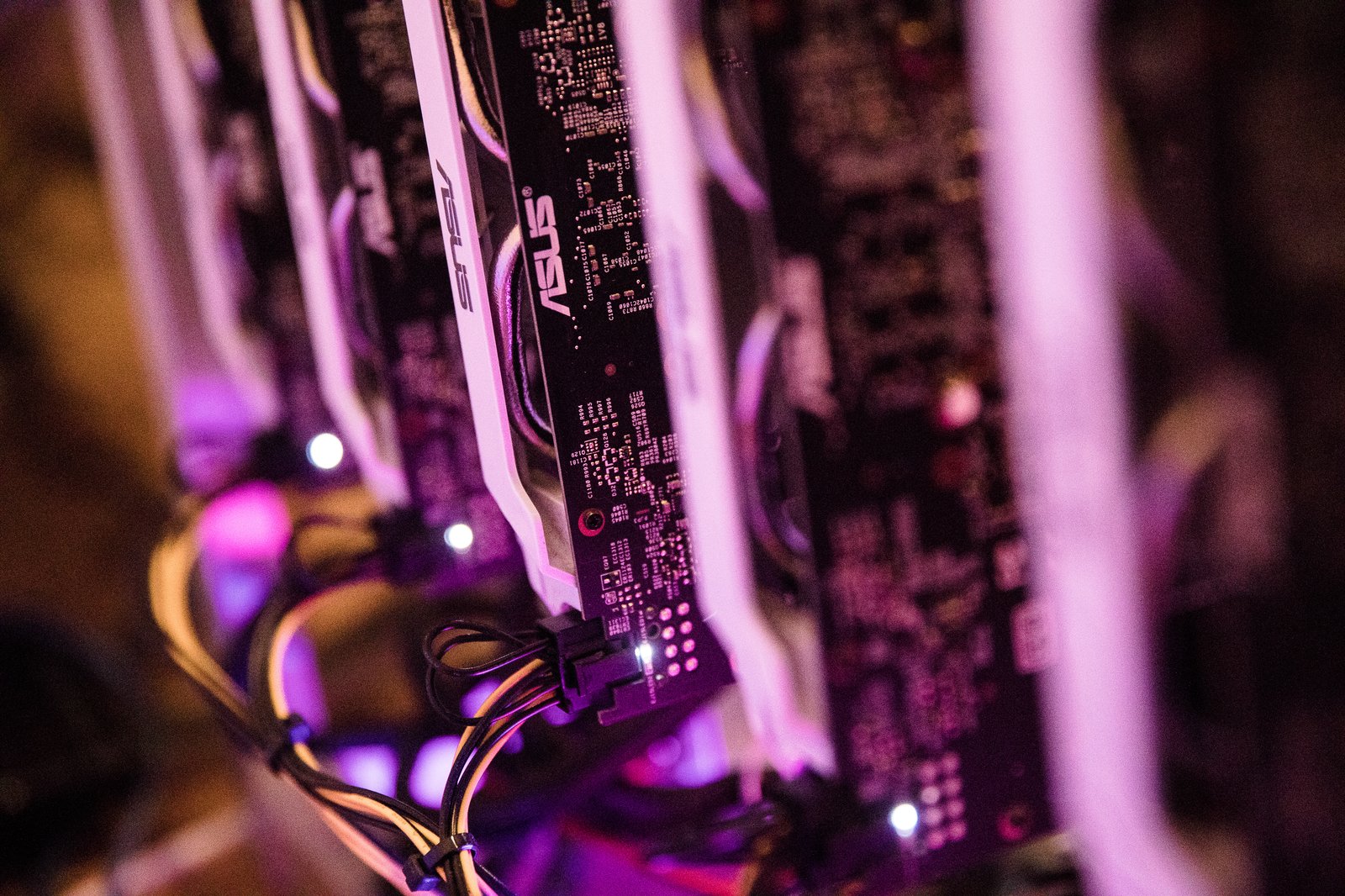
The economics explain the urgency. A conventional hyperscale data center takes 18 to 24 months to build and commission, a timeline that no longer matches the pace of AI demand. The tent approach cuts that roughly in half, and the structures cost a fraction of steel-and-concrete buildings. Inside the fabric shells, Meta plans to install chips worth billions of dollars — by Thomas’s accounting, each AI accelerator costs around $60,000 — which makes the tents, in his phrase, the most expensive tents in history.
The power setup is as unconventional as the buildings. The Ohio site runs on behind-the-meter electricity from two 200-megawatt gas plants built on-site by Williams, an arrangement that bypasses the years-long wait for grid connections. The roughly 400 megawatts of generation, a $1.6 billion project, is the same trick xAI used in Memphis: build your own power, don’t wait for permission. The trade-off is that the tents skip the diesel backup generators, hardened security and full climate control of permanent facilities, betting instead on operational velocity and workload management to keep the chips alive.
The context is a capital bill of staggering size. Meta plans to spend roughly $145 billion on data centers and related infrastructure, and its stock is down about 5% this year as investors digest the spending. The tents are a way to shave months off the schedule and dollars off the bill while the permanent facilities catch up: the gigawatt-scale Prometheus campus in New Albany is scheduled to come online this year, and the larger Hyperion project in Louisiana, designed to scale far beyond it, will take years. Until then, the tents carry the load.
The approach has drawn scrutiny beyond the industry. The on-site gas plants have attracted the attention of a Senate investigation into emissions, since the turbines run without the pollution controls and grid oversight that utilities typically face. Environmental groups have questioned whether the rapid deployment model externalizes costs — onto host communities breathing the emissions, onto reliability, and onto investors who are financing billions in hardware under fabric.
The deeper logic is that in the AI arms race, compute is time. Every month of delay means another month in which OpenAI, Google or xAI can train bigger models, ship better products and lock in customers. Meta’s competitors are all spending comparable sums, and the constraint that binds them all is not money but speed: how fast can you get GPUs powered, cooled and working. The tent answer — put them under fabric, power them with turbines you built yourself, and fix the redundancy later — is the pragmatic answer to a shortage that does not wait for concrete to cure.
The risks are real. Fabric shells are more exposed to cooling failures, outages and weather than concrete buildings, and a data center without diesel backup is a single point of failure wearing a tarp. The chips inside generate heat at densities that strain even engineered enclosures, and Meta has acknowledged that the tents trade reliability for velocity. If a cluster goes down, the cost is not just the downtime — it is the training run lost, the model delayed, the competitive advantage spent.
For now, Meta’s bet is that speed is worth the risk. The permanent campuses are coming, but they are years away, and the company’s competitors are not waiting. In the meantime, the tents stand in Ohio and Tennessee as the most visible symbol of the AI buildout’s new economics: billions of dollars of silicon, under fabric, powered by turbines, racing the clock.
Analysts note the strategy is not purely about cost. The tents also let Meta test cooling systems, power designs and operational playbooks at small scale before committing them to the multi-gigawatt campuses of the future. What begins as an emergency measure may end as a design pattern: the rapid deployment structure, refined at three sites, informing how Meta builds everything else. If the tents survive their first hard winter and their first grid failure, the industry may adopt them as a standard option rather than an improvised one.