
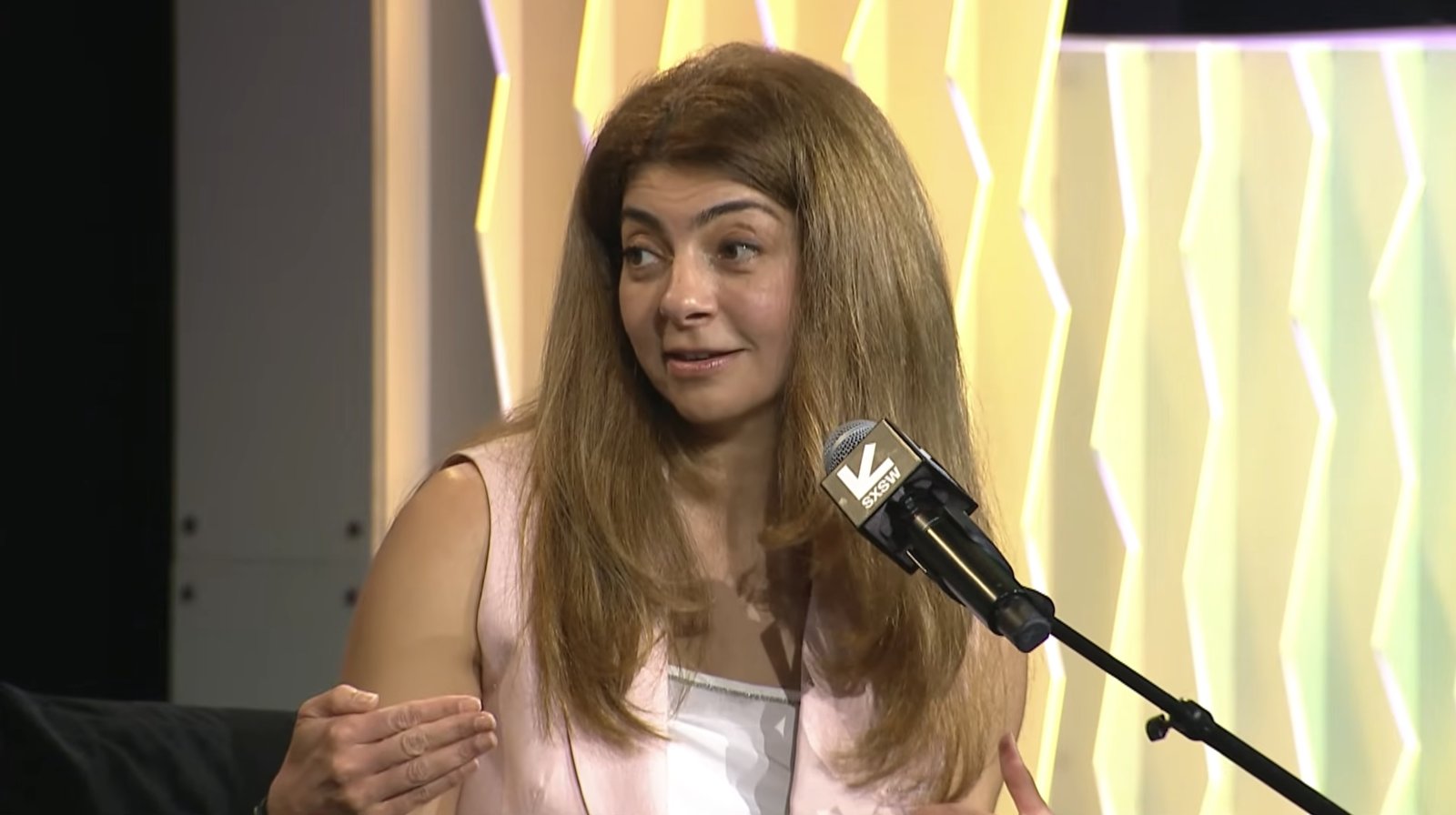
The Forbes list of America’s richest self-made women has 43 names on it this year, the most in the ranking’s history, and the biggest move belongs to a woman whose company does not sell shoes or software for the home. Daniela Amodei, president of the AI lab Anthropic, is number two on the list with a fortune of $15.5 billion, up from $1.2 billion a year ago.
The jump of nearly thirteen times in twelve months is the kind of wealth creation the list was designed to measure and rarely sees. Amodei’s stake in Anthropic, which is preparing an initial public offering that could value the company near $965 billion, turned her salary and founder’s equity into one of the largest fortunes on the list without the sale of a single share. The valuation did the work.
She is not the only AI executive on the list. Colette Kress, the chief financial officer of Nvidia, joined the ten-billion-dollar club this year, her fortune carried upward by a chip maker whose market value has made it the centerpiece of the AI trade. The two names bracket a pattern: the wealth being created in the AI boom is landing in the hands of executives and founders who hold equity in companies that supply or operate the models, and it is landing fast.
The top of the list belongs to someone outside the AI story entirely. Diane Hendricks, who built the building-supplies distributor ABC Supply from a single Wisconsin yard into a national chain, holds the number one spot for the ninth consecutive year. Her durability is the counterweight to the AI surge: the list’s biggest fortune still comes from roofing materials, not tokens.
At the other end of the age scale, the youngest woman on the list is Luana Lopes Lara, the 29-year-old co-founder of Kalshi, the prediction-market platform, worth $2.6 billion. Kalshi’s business of trading contracts on everything from elections to inflation made Lopes Lara a billionaire before her thirtieth birthday, and her placement shows the list is not only about AI.
The AI effect shows up in the aggregate numbers. Four out of five women on the list increased their fortunes over the past year, and nearly half of the 43 made their money in technology, the highest share in the ranking’s history. The concentration of wealth creation in a handful of AI-adjacent businesses, analysts noted, means the list now tracks the same trade that drives the stock market.
The scale of the fortunes still exposes the gap. The 43 women on the list hold a combined $166.3 billion, which sounds large until it is set against the total wealth of all American self-made billionaires; the women’s share is just 2.4 percent. The gender gap that has defined the list since its first edition remains intact even in a year when the fastest-growing fortunes on it belong to women.
Part of the gap is structural and slow to change. The largest American fortunes were built over decades in industries, from construction to manufacturing to oil, where founding teams were almost entirely male, and those fortunes do not reset when a new list is published. Part of it, though, is the age of the AI industry itself: the companies creating the new fortunes are young, their founding teams are less locked in, and the women on this year’s list are evidence that the door is open in a way it was not in earlier booms.
For the list’s compilers, the question every year is whether the ranking measures wealth creation or just the stock market’s mood. This year’s edition leans heavily on the second: Amodei’s $15.5 billion is a mark-to-market number that depends on Anthropic’s private valuation, and Kress’s fortune moves with Nvidia’s share price. If the AI trade corrects, as it did sharply in the days before the list was published, the paper fortunes will correct with it.
The list’s methodology matters for reading it. Forbes values private companies using the latest funding rounds and marks public holdings to market, which means the ranking is a snapshot of a single day’s prices rather than a statement about realized wealth. The volatility of the AI names on the list will show up in next year’s edition, whichever direction it moves.
The women on the list have heard that argument before, and their response is structural. Equity, not cash, is how the AI boom is paying its executives, and equity is a claim on the future rather than a bank balance. Amodei’s position, like the valuation it rests on, is a bet that frontier AI labs will be worth more in five years than they are today. The list published this week simply records the price of that bet on the day the ranking was made.



