
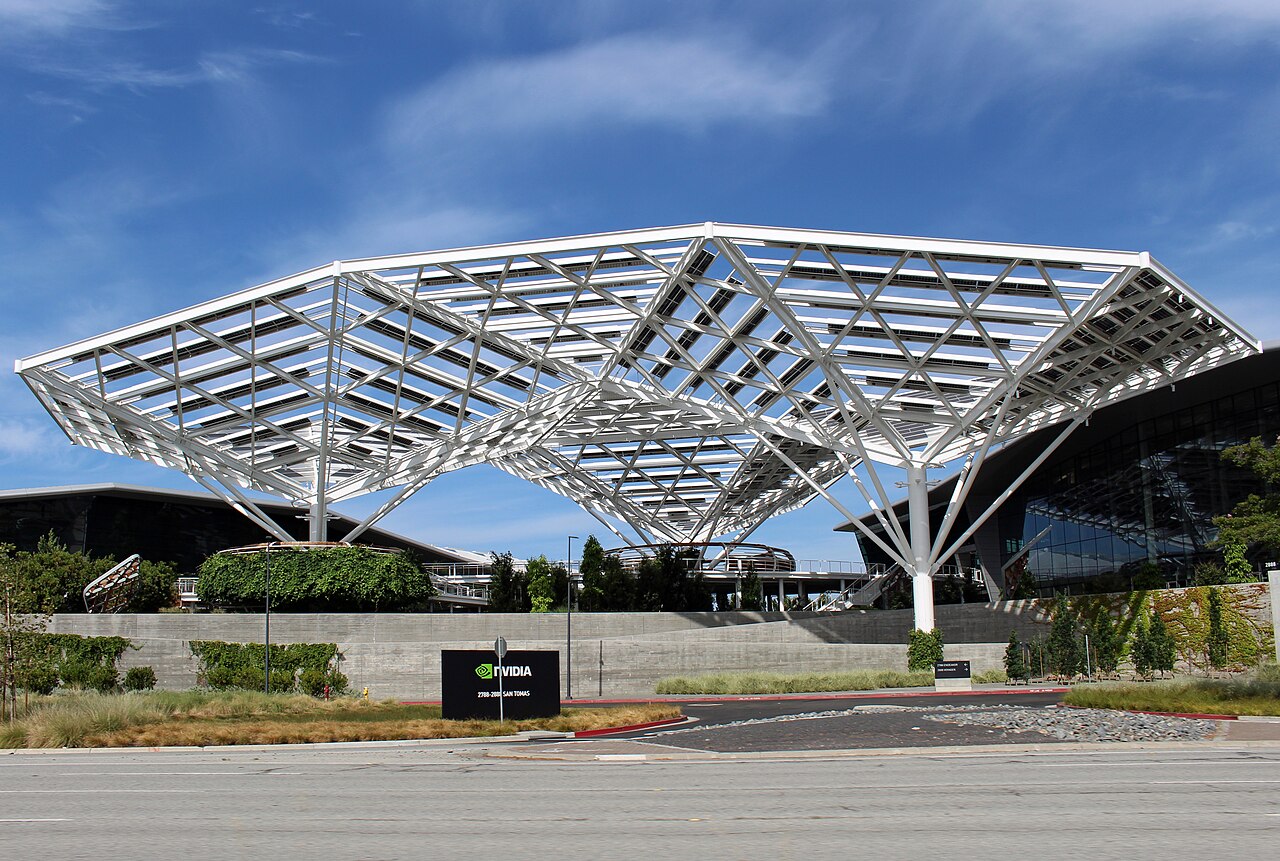
NVIDIA Returns to the Bond Market With $25 Billion Offering
NVIDIA has raised $25 billion in its first corporate bond offering since 2021, returning to the debt market at a moment when the company’s cash generation and its spending needs are both at record levels. The offering drew strong demand, according to Reuters, with investors lining up for paper from a company whose position atop the artificial intelligence boom has made it the most valuable chip maker in history. The proceeds are expected to fund the company’s expanding manufacturing commitments, data center buildouts and long-term supply agreements.
The decision to borrow is notable because NVIDIA does not need the money in any conventional sense. The company has accumulated enormous cash reserves over three years of record profits, and its balance sheet is among the strongest in the technology industry. Issuing bonds anyway is a strategic choice, one that lets the company lock in borrowing costs while they remain manageable and build a capital structure that supports its ambitions. It also signals something to the market: NVIDIA intends to keep spending at a scale that its cash alone may not comfortably cover.
The timing reflects the company’s confidence in the durability of AI demand. NVIDIA has reported revenue growth that has repeatedly surprised analysts, driven by the explosion of spending on AI infrastructure by cloud providers, governments and enterprises. The company also said its sovereign AI business, which sells systems and services to national governments building their own AI capabilities, saw revenue triple year over year. That figure speaks to a second wave of demand emerging as countries treat AI as strategic infrastructure, and it is a central part of the story NVIDIA is telling investors about why the boom can continue.
The bond offering is a test of that story. Investors who buy NVIDIA’s debt are betting that the company’s cash flows will remain strong enough to service the borrowing, and the enthusiastic subscription suggests they believe it. But the offering also invites scrutiny of the other side of the ledger. NVIDIA’s customers are spending heavily to build AI capacity, and their willingness to keep spending depends on the economics of AI applications, which remain unproven in many areas. If demand cools, the spending that feeds NVIDIA’s revenue could slow, and the debt would arrive at exactly the wrong moment.
The $25 billion figure is large in absolute terms but modest relative to the company’s scale, and analysts said it should be read as an opening move rather than a funding necessity. NVIDIA could return to the market again if conditions remain favorable, or it could repay the bonds early if its cash position swells further. The company’s CFO has described the offering as a way to broaden NVIDIA’s investor base, giving bond funds and insurance companies a way to own exposure to the AI boom alongside equity investors.
The offering also enters a market that has become wary of big-ticket AI spending. The cost of building AI infrastructure has pushed several technology giants into historic capital expenditure commitments, and bond investors have started to ask whether those commitments will produce returns. NVIDIA sits at the center of that question, because its revenue is the sum of everyone else’s AI spending. The company’s answer is that AI is following the curve of previous computing platforms, with spending on infrastructure leading to applications that eventually justify the investment. Skeptics note that the same argument was made about earlier technology cycles, not all of which paid off.
For now, the market has sided with NVIDIA. The bond sale was oversubscribed, pricing tightened through the day, and the company’s equity, despite recent volatility, remains near its highs. The offering gives NVIDIA a financial cushion for the next phase of its expansion and gives investors a new way to participate in its growth. The question it leaves open is the one that will define the AI industry: whether the enormous sums being invested in computing capacity will generate returns to match. NVIDIA has bet its own balance sheet on the answer, and the bond market has bet alongside it. The offering also reflects a broader shift in how the AI industry finances itself. The companies building AI infrastructure, from cloud providers to startups, have become the biggest borrowers in corporate bond markets, funding data centers, chips and power with debt as well as equity. NVIDIA’s entry into that market is different in kind: the company is profitable, cash-rich and growing, and its borrowing is discretionary rather than necessary. The move gives it flexibility to fund its own manufacturing investments, which have grown as the company has expanded into networking, software and system design, and to return capital to shareholders through its buyback program without dipping into cash reserves. The structure of the offering, with maturities spread across several years, suggests NVIDIA expects its capital needs to remain elevated for the foreseeable future, a schedule that matches the industry’s own buildout plans.
This article was prepared by Rhino Finance’s editorial team based on public reporting.



