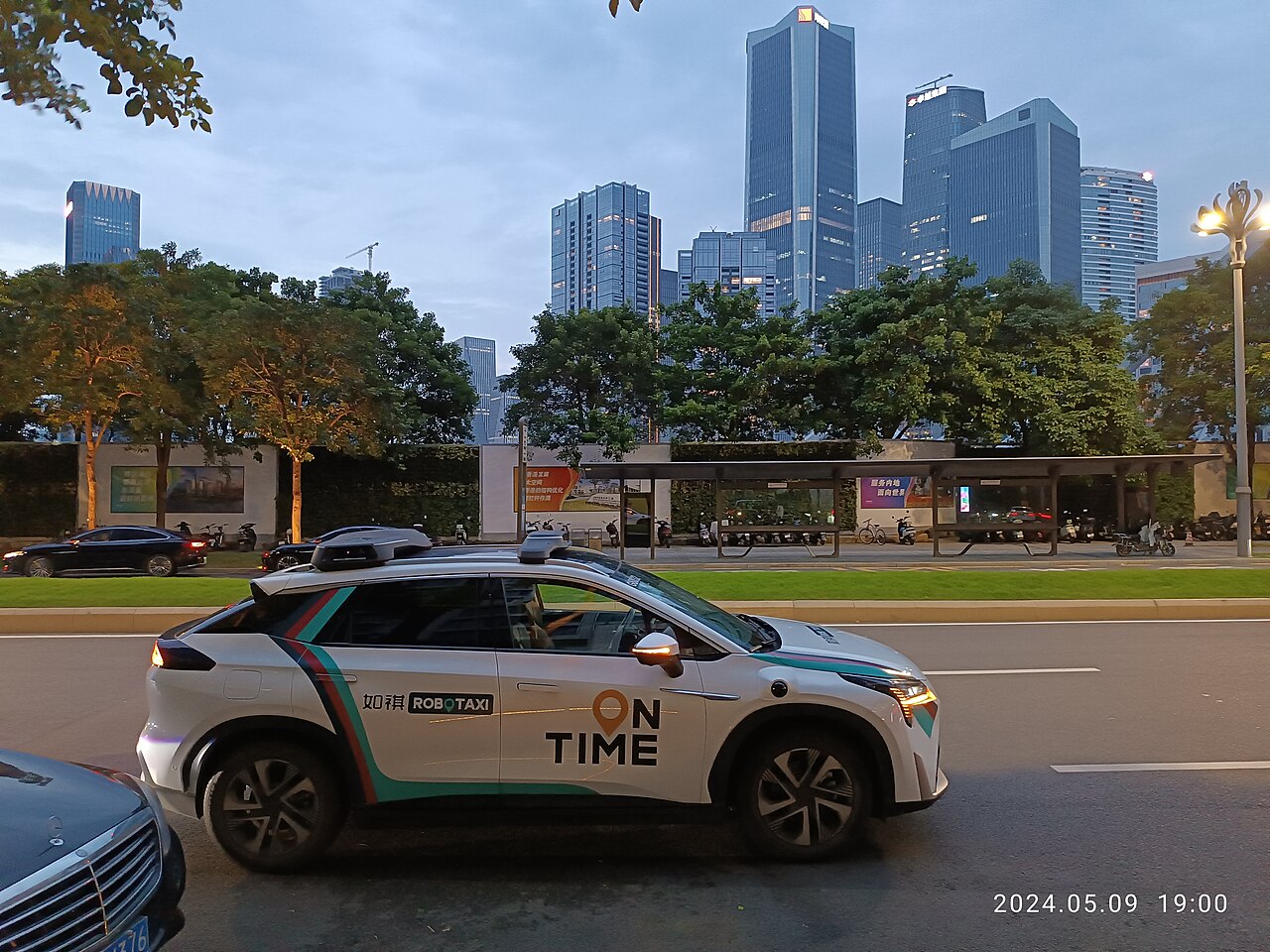
Go’s chief executive had been hearing the same question since his company’s listing in Tokyo: what are you going to do with the money? This week he gave an answer. The company, Japan’s biggest ride-hailing operator, will use the roughly $580 million it raised to build a robotaxi business and fund acquisitions, the chief executive said in an interview following the stock’s debut, which TechCrunch covered in detail.
The IPO was the largest in Japan this year, a fact that carried symbolic weight in a market that has struggled to produce big technology listings. Nikkei Asia called the debut a sign that Japan’s tech IPO market is reviving, and the reference point for most observers is SoftBank, the conglomerate whose founder, Masayoshi Son, helped finance the modern ride-hailing industry and has begun circling mobility investments again.
Go’s origins explain its scale. The company was formed through the merger of JapanTaxi and its rivals, assembling the country’s largest ride-hailing network, and it has drawn investment from Toyota, whose funds hold a significant stake. The alliance with the carmaker matters for the robotaxi plan: Toyota has its own autonomous-driving program and has been testing driverless shuttles in Japan, giving Go a potential technology partner inside its own shareholder base.
Go’s business sits at the center of Japan’s peculiar taxi market. The app connects passengers with licensed taxi fleets rather than amateur drivers, a model that reflects the country’s strict rules on who may carry passengers for hire. That structure has given Go a regulated moat, but it has also limited its growth, and the company has spent years expanding into corporate accounts, airport transfers and delivery.
The robotaxi plan is a bet that Japan’s rules are about to change. The country passed legislation allowing Level 4 automated driving, in which the vehicle handles all tasks within defined areas, and several cities have begun permitting limited driverless services. Go has said it wants to operate such services itself, pairing its network of taxis with autonomous technology from partners, though it has not named them.
The money gives it room to try. Executives said the company will allocate part of the proceeds to acquiring smaller operators and technology firms, consolidating a fragmented industry in which most taxi companies run fewer than a hundred vehicles. Scale matters in ride-hailing, where network density decides wait times and utilization, and Go’s investors have pushed for consolidation for years, people familiar with the company said.
Competition is also closing in. Uber has operated in Japan under a tight regulatory leash, limited to licensed drivers, and has expanded its presence in tourist-heavy regions. The arrival of more players would test Go’s dominance in its home market, where it holds a large share of app-based hailing. The company’s answer has been to widen its moat: more vehicles, more corporate contracts and, eventually, its own fleet of robotaxis.
The robotaxi piece is the hardest part of the plan. Autonomous vehicles have burned through billions of dollars at American companies, and no operator has yet demonstrated that driverless economics work at scale. Japan’s dense cities, narrow streets and aging population create a demanding environment for the technology, though they also create demand: the country’s taxi driver shortage is acute, and the government has signaled it wants automation to fill the gap.
SoftBank’s renewed interest in mobility gives Go another path. Son has said publicly that autonomous driving is one of the fields where he expects the next wave of value creation, and SoftBank-backed funds have been reviewing stakes in ride-hailing companies across Asia, according to people familiar with the discussions. A closer tie would give Go capital and, potentially, access to technology from SoftBank’s portfolio.
The market’s reception will test whether Japan’s investors are ready for the story. Go’s shares have traded above the IPO price since listing, a relief to underwriters who priced the deal after months of choppy markets. But ride-hailing stocks have a history of volatility, and the company’s plan to spend its cash on unproven technology and fragmented acquisitions carries obvious execution risk, analysts said.
The government’s role cuts both ways. Japan’s transport ministry has eased some rules to encourage automation, but it has also insisted on safety standards that exceed those in the United States, and approval timelines remain uncertain, according to people who have worked with the regulator. Go’s timetable will depend on how quickly those standards are written.
For Japan’s tech sector, Go’s debut was about more than one company. A successful listing, followed by a credible growth story, would open the door for other startups that have waited years for the window to open. Whether Go can deliver on its robotaxi ambitions will determine whether the window stays open.