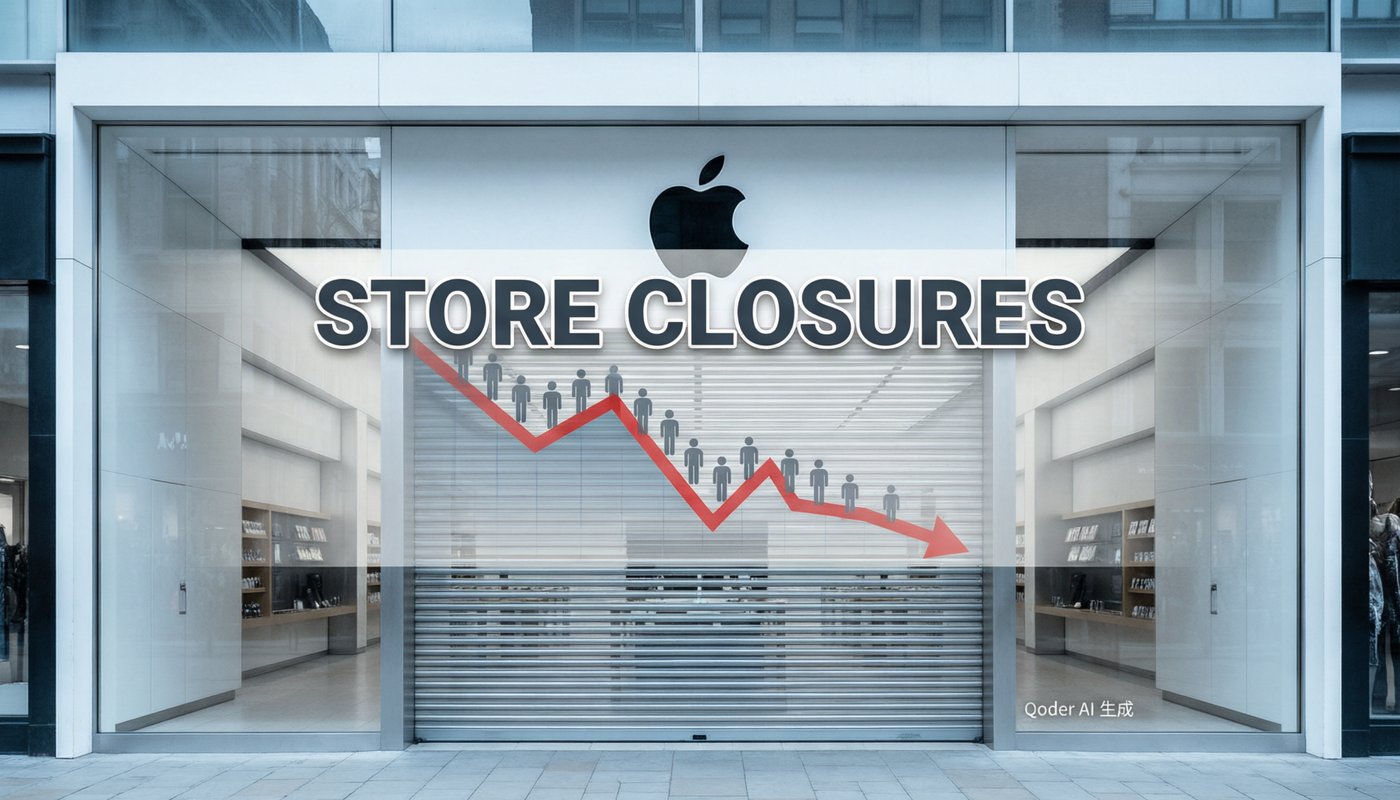
TOWSON, Md. — The Apple Store at Towson Town Center opened in 2001 as one of the company’s earliest retail locations, and in 2022 it became the first Apple store in the United States to unionize, with workers joining the International Association of Machinists and Aerospace Workers under the IAM CORE banner. Next year, it will close. Apple said it is shutting three U.S. stores — Towson Town Center, Trumbull in Connecticut and North County in California — citing declining mall traffic and a deteriorating retail environment.
The closings have drawn attention far out of proportion to their number, because of what they say about the state of Apple’s retail operation and its relationship with its workforce. The Towson store, whose employees ratified a collective bargaining agreement with Apple in 2024, became a symbol of the labor movement’s push into the technology industry, and its closure raises questions about how the company treats the workers who organized there.
Apple said the decisions were based on store performance and the health of the surrounding shopping centers, and that employees at the closing locations have been offered positions at nearby stores or severance packages. The company said it remains committed to its retail network, which includes more than 500 stores worldwide and has been a cornerstone of its brand since the first Apple Store opened in 2001.
The Towson closure in particular has fueled suspicion among labor advocates, who note that the company’s first unionized store is being shut while other Maryland locations remain open. Apple has denied that the closure is related to unionization, and the company’s statement pointed to traffic trends at the mall, but the timing has given organizers a new cause. IAM CORE said it is reviewing whether the company’s actions comply with the collective bargaining agreement and federal labor law.
The union question sits on top of a broader retail industry problem. Shopping malls have been losing traffic for years, and the pandemic accelerated the shift to online shopping, leaving many properties with declining foot traffic and a shrinking base of anchor tenants. Apple’s stores are among the most productive retail locations in the world, generating more revenue per square foot than almost any other retailer, but even the company’s performance has not insulated every location from the broader trend.
The closures are small in the context of Apple’s network, which continues to open new stores in other markets, including several flagship locations that the company treats as monuments to its brand. The company has said it plans to open new stores and remodel existing ones, and the retail operation remains central to its strategy of selling premium products through premium experiences.
The labor dimension is unlikely to end with the closures. Apple’s workforce has shown an appetite for organization that is unusual in the technology industry: workers at stores in Oklahoma City and Annapolis voted to unionize after the Towson example, and organizing efforts have continued at other locations. The company has opposed those efforts, arguing that its direct relationship with employees is part of its culture, and the Towson closure gives the movement a concrete grievance to organize around.
Legal questions are already being raised. Federal labor law prohibits employers from closing workplaces in retaliation for union activity, and the National Labor Relations Board has the authority to investigate charges. IAM CORE has not filed charges, according to people familiar with the matter, but the union has said it is examining the company’s internal documents and the timing of the closure decision. Apple’s defense — that the decision was made on retail economics — will face scrutiny if the case reaches a hearing.
For the employees of the three stores, the immediate issue is practical: transfers, severance and the timing of the closures. Apple has said affected employees will have options, and the company has a history of relocating retail staff rather than laying them off. But a transfer is not the same as keeping the store where employees built their workplace.
The retail network has been central to Apple’s financial model in ways that the closures obscure. The company’s stores generate more revenue per square foot than any other retailer in the United States, and they have become the front line for selling services and subscriptions. A store that cannot sustain the traffic to support those economics is a drag on the network, and Apple’s decision to close underperforming locations while opening new ones is consistent with how it has managed retail for years. The wave of mall closures across the country has forced every retailer, including the most successful, to make choices about its physical presence.
The union question gives the closures a weight they would not otherwise carry. The Towson store’s workers voted to unionize in 2022, and the collective bargaining agreement they signed in 2024 was the first of its kind at an Apple retail location, . The closure of the first unionized store, will be interpreted through that history, and the National Labor Relations Board’s scrutiny of the decision is likely to test whether Apple’s explanation holds up. For the labor movement, the episode is a reminder of the limits of organizing in a company that controls its retail footprint and can make decisions that unions cannot easily challenge, and the fight over the store’s future may outlast the store itself.
The three closures are a footnote in Apple’s retail history and a chapter in its labor history at the same time. The company will open new stores, and its retail network will continue to generate the foot traffic that other malls can only envy. But the first unionized Apple store in America is closing, and the questions the closure raises about how the company treats the people who work in its stores will outlast the store itself.