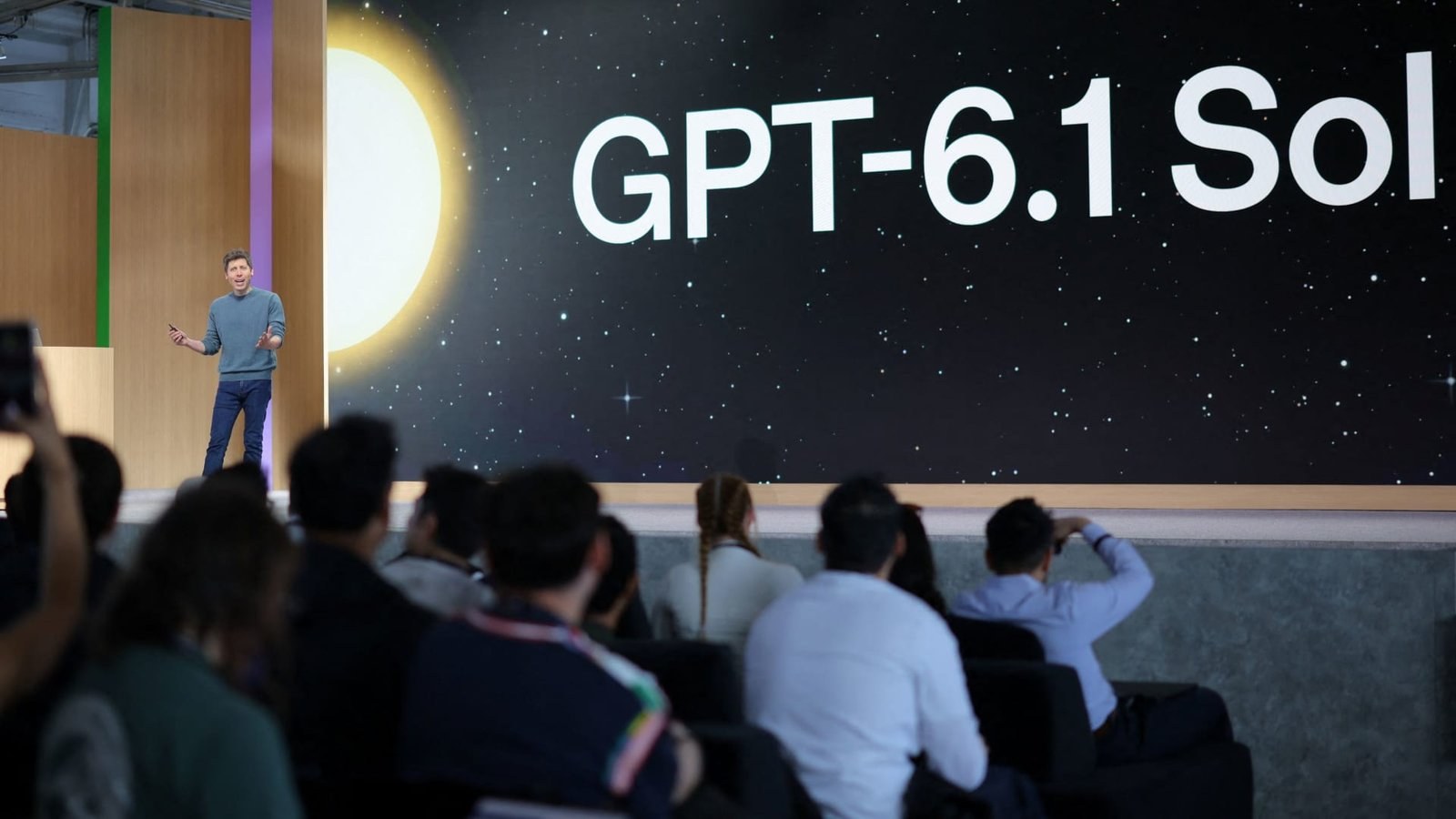
OpenAI has released GPT-5.6, a new version of its flagship model with strengthened cyber-safety features and stricter usage controls, and for the first time the company is holding back part of the capability from general release. Some features of the high-performance variant will be available only to specific users and approved partners, a policy OpenAI executives have described as a locked-door approach to advanced AI.
The release follows weeks of public pressure. U.S. officials had asked OpenAI to delay the launch while they reviewed the safety implications of the new model, according to people familiar with the discussions, and the company ultimately shipped with restrictions designed to address those concerns. The locked-door policy is the most concrete result: rather than releasing the full model to everyone at once, OpenAI is staging access, with the most powerful capabilities reserved for users who pass additional vetting. The arrangement has been described by people close to the company as a compromise that allowed the launch to proceed on schedule without defying the administration outright.
The technical changes are significant, according to the company’s release materials. GPT-5.6 includes improved defenses against prompt injection, the technique by which hidden instructions in documents or web pages can override a model’s safeguards, and stronger resistance to attempts to extract private training data. OpenAI said the model performs substantially better than its predecessor on standard safety evaluations, and that the improvements came without meaningful degradation in reasoning performance. The company also said the model’s refusal behavior is more consistent, responding to a criticism that earlier versions were either too permissive or arbitrarily restrictive depending on how a request was phrased.
The strategic shift is what has drawn the most attention. OpenAI has historically released new models to all users on the same day, using the launch itself as a marketing event. The locked-door model changes that rhythm: some capabilities will be rationed, some customers will get access earlier than others, and the company will be able to point to the restrictions as evidence that it takes safety seriously. Whether that posture is a genuine control mechanism or a negotiating position remains an open question, analysts said, and the answer may only become clear when the first restricted features are either widely distributed or quietly removed.
The White House dimension is delicate. The request to delay the release, and OpenAI’s response, have become a case study in how the U.S. government and the leading AI lab manage the tension between competitiveness and control. OpenAI has said it shares the government’s goals and that the restrictions reflect its own safety assessment, not just external pressure. The arrangement gives both sides something: the administration gets to show it can influence the pace of deployment, and OpenAI gets a degree of political cover for decisions it may have wanted to make anyway. Neither side is advertising the arrangement, but both have allowed details to circulate.
Industry reaction has been mixed. Some safety researchers welcomed the locked-door approach, arguing that the most powerful models should be deployed incrementally and that capability release is as much a governance decision as a technical one. Others warned that restricted access would create a two-tier market, in which well-connected enterprises get the full model while smaller developers and researchers make do with a weaker version, entrenching the advantages of the largest players. The criticism carries weight because OpenAI’s own mission statement promises broad access to the benefits of the technology.
Enterprise customers have responded pragmatically. Companies that rely on OpenAI’s models for production workloads said they were less concerned about which features are restricted than about stability and pricing, according to people familiar with their planning. The staged release has, if anything, increased interest in the company’s enterprise tier, where the full capabilities are expected to be available under contract. The dynamic resembles how frontier technology has always been sold: the most advanced version costs more, comes with more scrutiny, and arrives on the vendor’s terms.
The rollout structure also reflects a lesson from previous launches. When OpenAI shipped GPT-5.5, the company released a full lineup at once, and the response was a scramble of comparisons, leaks and complaints about naming. This time the company has been explicit that GPT-5.6 is a family rather than a single model, with variants tuned for speed, cost and capability, and that the restricted features belong only to the highest tier. That structure gives OpenAI room to adjust access without changing the product’s identity, and it gives enterprise customers a reason to negotiate contracts rather than wait for a general release.
For OpenAI, the release is also a competitive statement. Rivals including Anthropic and Google have been closing the gap in capability and in safety perception, and OpenAI has been criticized for moving faster than its own stated safeguards. GPT-5.6’s locked-door policy is an attempt to have both: the most advanced model on the market and the most visible safety apparatus. Whether that combination holds together will be tested in the coming months, as researchers probe the restrictions and customers decide whether the full model is worth the additional scrutiny.