The world’s largest planned data-center campus will not be built. QTS Realty Trust, the data-center operator controlled by Blackstone, said on July 2 that it had terminated its project in Virginia and withdrawn all related filings, according to the company and people familiar with the decision. The move formally ends a plan that had been billed as the biggest data-center campus on earth, and it offers the clearest evidence yet that the American data-center boom is running into resistance it cannot build its way around.
The project, in Prince William County, Virginia, had been designed to house enough computing capacity to serve hundreds of thousands of servers. QTS did not give a detailed public explanation for the termination, and it has declined to comment on what changed. People familiar with the matter said a combination of power availability, local opposition, and the economics of the transmission grid made the project untenable, with interconnection costs and wait times stretching far beyond what the original business case assumed.
Virginia has been the center of the U.S. data-center industry for two decades. The region west of Washington, D.C., known as Data Center Alley, hosts a large share of the world’s internet traffic and has absorbed an unprecedented wave of AI-related construction since 2023. But that growth has collided with a grid that is running out of capacity, utilities that are rationing new connections, and communities that have begun to fight back.
The politics have shifted. A Gallup survey published in May found that 71% of Americans oppose building data centers near residential areas, with concerns focused on energy and water consumption, environmental impact, and noise. Local officials in Virginia, Texas, and elsewhere have imposed moratoriums, and state legislatures have begun debating rules that would slow approvals. What was once a routine permitting exercise has become a contested political issue in some of the very counties that pioneered the industry.
Blackstone has more riding on data centers than any other private-equity firm. It has spent tens of billions of dollars building a portfolio of data-center operators, including QTS and Vantage, betting that AI will keep demand growing for years. The Virginia retreat is a rare reversal for that strategy, and it raises questions about how many of the projects the industry has announced will actually be built.
The industry’s response has been to go where the power is. New campuses are being planned in Ohio, Texas, and the Mountain West, where land is cheaper and grids are less congested, and hyperscalers have signed deals to build gas plants and even small nuclear reactors to power their facilities. But those projects take years to deliver, and developers acknowledge that interconnection queues at regional grid operators have stretched beyond the horizon their financial models assume.
Analysts said the QTS decision is a signal, not a verdict, for the sector. Data-center construction is still running at record levels in absolute terms, and the largest cloud companies are signing leases faster than developers can build. But the cost of delivering a megawatt has climbed sharply as developers pay for substations, transmission upgrades, and community concessions, and projects that made sense at 2023 power prices are being reworked or shelved.
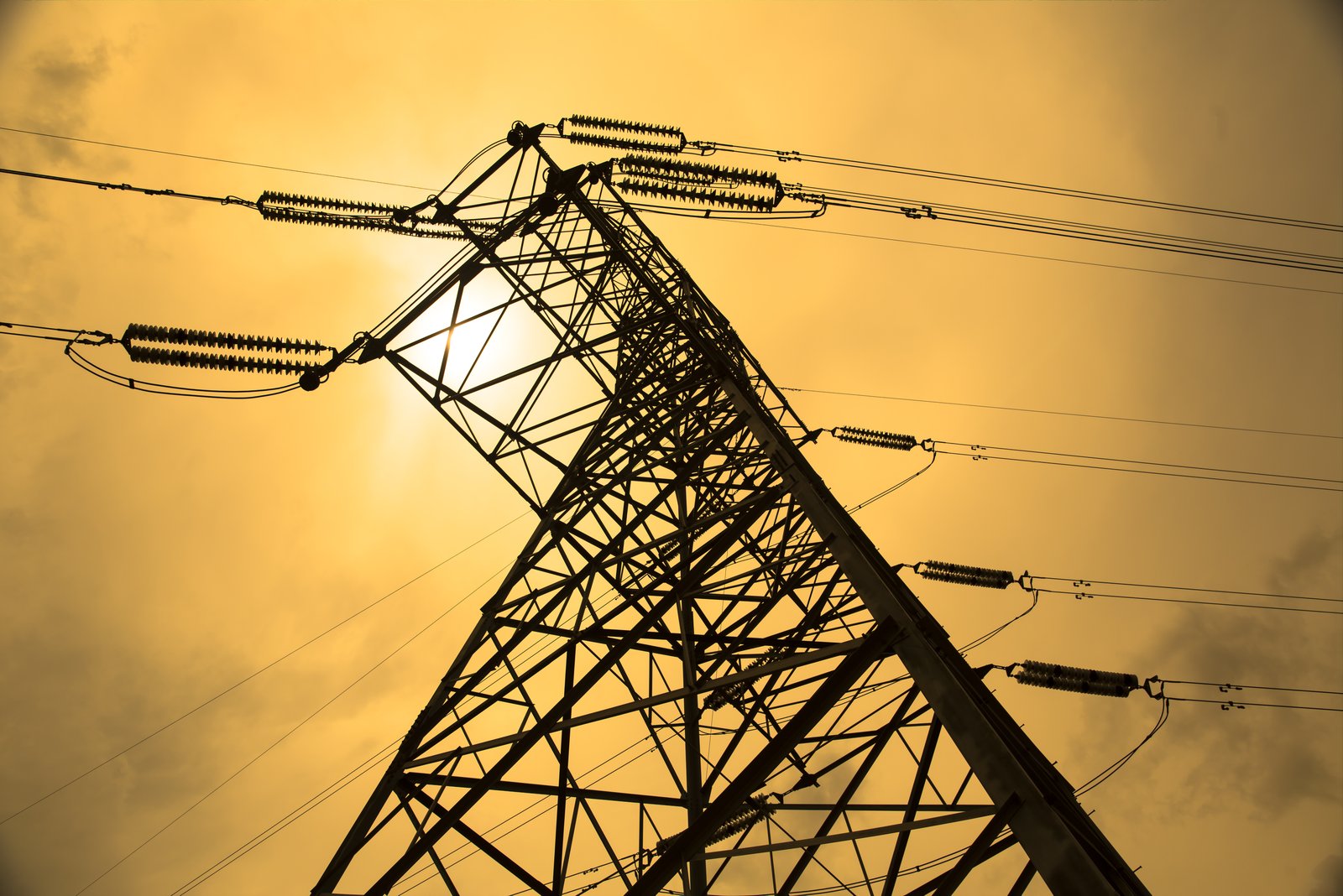
Northern Virginia’s grid has become the industry’s most visible bottleneck. The region’s utility has stopped accepting new data-center loads in some areas, the regional grid operator’s interconnection queue has stretched to years, and developers have been paying record prices for the right to build substations. The QTS project was conceived at the peak of the land grab, when developers were buying property and signing power agreements faster than the grid could deliver; by this summer, the arithmetic had stopped working.
Blackstone has not given up on data centers — it is one of the largest owners of the asset class in the world — but it is being more selective. The firm took QTS private in 2021 for about $10 billion, and it has since poured additional capital into expanding the portfolio, including sites in markets with more power available. The Virginia decision reflects a broader shift in how the firm evaluates projects: power certainty now ranks above location in the investment case.
Developers are responding by moving power to the projects rather than projects to the power. Several hyperscalers have announced partnerships to build gas-fired generation and small modular reactors near their campuses, and states with surplus power are marketing themselves as data-center destinations. The industry’s growth is not in question — the places where it happens, and the price of making it happen, are.
For the communities that opposed the campus, the termination is a victory. For the AI build-out that depends on it, it is a warning: the constraint on artificial-intelligence growth is no longer chips or money, but the physical infrastructure of electricity and land. The industry is likely to keep building — but in more places, at higher cost, and at a slower pace than the boom’s early years suggested.