Months after it shipped with a browser’s worth of ambition, ChatGPT Atlas is gone. OpenAI shut down the Atlas browser on July 9, folding its AI features into the newly launched ChatGPT Work, and retired a product that the company had once described as the beachhead for an AI-native approach to the web.
The launch, when it came, had been carefully staged. Atlas was introduced as a browser built around an AI agent, capable of summarizing pages, drafting responses and taking actions on the user’s behalf, and OpenAI positioned it as the first credible challenge to the habits that Chrome has held for a generation. The marketing promised a browser that thought; the reality, according to MediaPost and The Economic Times, was a product that drew lukewarm adoption and never posed a serious threat to Google’s browser dominance.
The market context explains why the company tried at all. Browser usage is one of the largest single surfaces in computing, and the AI companies have spent two years looking for the front door to that audience: a place where their models meet users at the point of daily activity. OpenAI’s search product had already staked a claim in one corner of that territory, and Atlas was meant to be the broader beachhead, a browser that carried the assistant through every page of the user’s day. The product worked, by most accounts; the distribution did not, and the company concluded that a browser was the wrong shape for the ambition.
The failure was not technical, people familiar with the product said, but behavioral. Browsers are where computing habits live, and habits are the most durable moat in the industry. Chrome’s position rests on years of muscle memory, extensions, bookmarks, saved passwords and enterprise deployments, and a new browser, however capable, asks users to abandon all of it for an AI assistant they can get from a web page. The market answered: Atlas stayed small, and OpenAI’s engineers moved on.
The browser’s economics were the other problem. Browsers monetize through search placements and default engine deals, and the market’s terms are set by the incumbents; a new entrant with a small user base has almost no negotiating position. OpenAI could have subsidized Atlas for years to build share, the way its competitors have funded other products, but the company’s calculus changed: the same engineering investment, directed at Work, produces a product that enterprises will pay for directly. The browser was a cost center with a distant payoff, and Work is a revenue line with a near one.
The shutdown is being framed inside OpenAI as consolidation rather than retreat. The company’s AI capabilities are being concentrated in ChatGPT Work, the agent platform launched the same day, which takes over Atlas’s tasks, browsing, summarizing, drafting, and embeds them in a workspace designed for entire workflows. The browser’s features do not disappear; they migrate into a product where OpenAI believes the same capabilities have a clearer commercial future.
The strategic shift is explicit. OpenAI had been pursuing a strategy of tool coverage, shipping a browser, a search experience and standalone applications in the belief that AI-native versions of each would displace the incumbents. The Atlas decision marks a turn toward platform aggregation: rather than compete for each tool separately, OpenAI will put all its capabilities into one work environment and let users come to a single destination.
Executives familiar with the thinking said the calculus changed as the agent market matured. A browser wins by being where users already are; a work platform wins by doing what users need done. The former requires defeating Chrome, a contest OpenAI concluded it did not need to win; the latter requires building a product that replaces the workflow, a contest OpenAI believes it can win on capability.
The market’s reading of the move has been broadly positive. Product strategy analysts said the consolidation reflects a clear-eyed view of where OpenAI’s competitive advantage lies: not in winning a browser war against Google’s distribution, but in making its models the engine of work that currently runs across a dozen tools. Killing Atlas, in that reading, is not an admission of failure but a reallocation of engineering effort toward the product that matters.
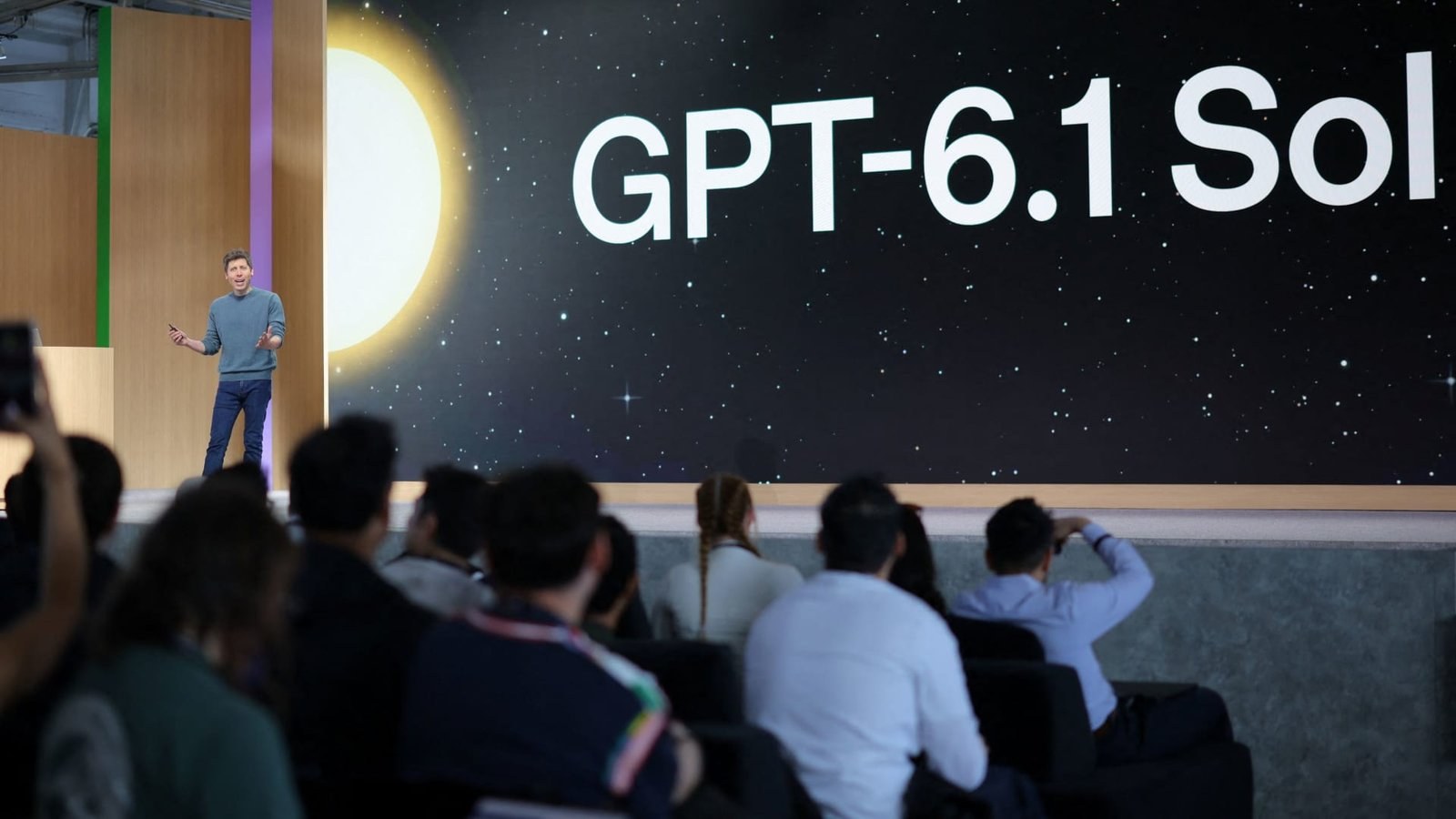
The timing, on the same day as the GPT-5.6 release and the Work launch, was deliberate. OpenAI wanted the browser’s closure to be read in the context of what was opening, not what was closing, and the sequencing delivered that: the Atlas announcement was a footnote to a day of launches. The company’s product portfolio has visibly narrowed, and its strategy has visibly sharpened.
The broader lesson is being studied across the industry. Every major AI company has considered whether to build a browser, and Atlas’s short life is now the cautionary example: AI capability alone does not move a user base, and the economics of the browser market are governed by switching costs that no model can dissolve. OpenAI’s answer was to stop fighting the browser and start building the destination. Whether Work can be that destination is the next experiment, and it will be measured in the same currency that ended Atlas: adoption.