Anthropic introduced India-specific pricing for its Claude models this week, tailoring rates to a market that has become its largest outside the United States, according to TechCrunch. The Times of India listed the local prices for Claude Pro and Claude Team plans, which are now sold in rupees at levels designed for Indian purchasing power rather than dollar equivalents.
The move is a departure for a company that has historically sold its products at uniform global prices. Anthropic’s subscription plans were priced in dollars everywhere, with local card charges and exchange rates as the only variation. India-specific pricing acknowledges what the company’s usage data already showed: Indian developers and businesses are heavy users of Claude, and the market has outgrown its status as a secondary geography.
Developers are the core of the market. India is home to one of the largest developer populations in the world, and a substantial share of the code written on GitHub now comes from Indian engineers, many of whom build AI applications for global customers. Those developers pay for API access and subscriptions with their own money or their employers’, which makes price a first-order decision rather than an afterthought. Anthropic’s local pricing is aimed directly at this group.
India’s AI market has grown faster than most. The country’s technology industry has adopted AI tools at a remarkable pace, with software services firms, startups, and government programs all building on American models. India has also become a testing ground for how AI products behave at scale, with its mix of languages, low-cost data plans, and price-sensitive consumers forcing companies to design for constraints that other markets do not have.
The mechanics point to deeper localization. Indian users will be able to pay through local payment rails, and the company has been expanding Claude’s support for Indian languages, a necessity in a market where English is not the default for most users. Data residency is the larger question: Indian regulators have been tightening rules on where personal data can be stored and processed, and companies selling AI services in the country are increasingly expected to offer local options. Anthropic has not detailed its plans, but the direction of travel is clear.
The local pricing structure is more than a discount. Anthropic is reportedly adjusting how its plans work in India, including payment options suited to local habits and packaging aimed at the small businesses and freelancers who dominate the country’s software economy. The company said little about the mechanics, but the direction is clear: treat India as its own market with its own economics, not as an extension of the U.S. price list.
The timing points to the company’s larger plans. Anthropic’s valuation has climbed through successive funding rounds, and talk of a public listing has circulated among investors. Pricing its largest overseas market before an IPO is a standard move: revenue from a big emerging market looks good in a prospectus, and a pricing structure that survives local scrutiny is easier to defend in due diligence. The playbook is to win the market first and let the valuation follow.
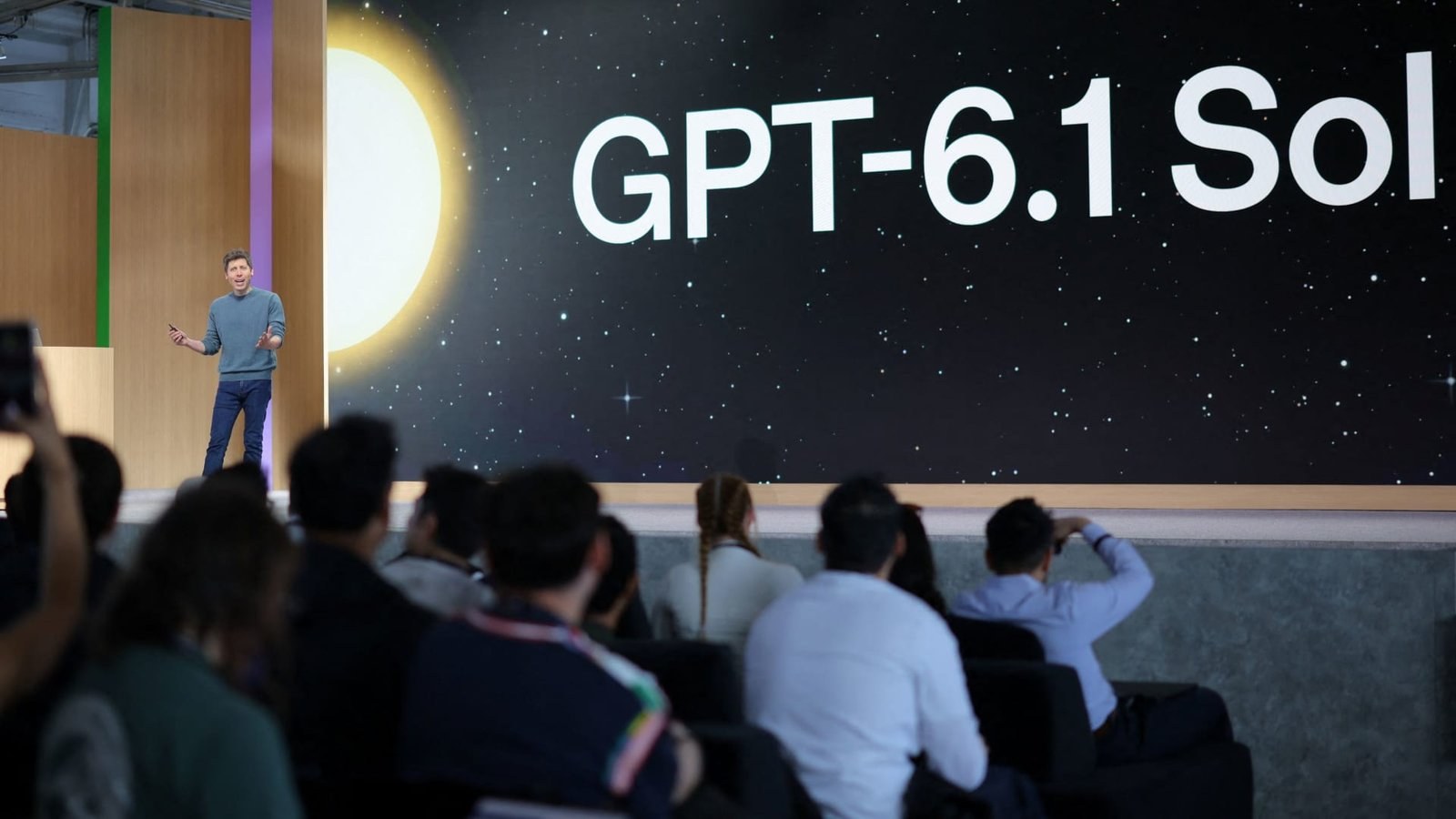
The competitive backdrop adds urgency. Sam Altman, the OpenAI chief executive, has been described by Business Insider as working to disrupt Anthropic’s position even as he fights legal battles with Elon Musk’s xAI. The report, which Anthropic did not address, points to the intensifying rivalry between the two leading AI labs as both prepare for public markets and compete for the same enterprise customers and developers.
The rivalry is visible in India itself. OpenAI, Google, and Anthropic are all courting Indian developers, and local startups have begun building on multiple models to avoid dependence on any one vendor. Price is a deciding factor in a market where developers pay for API usage out of their own pockets, and Anthropic’s local pricing is aimed squarely at that dynamic.
India also tests a pricing philosophy that will matter for the company’s margins. Selling at local prices means accepting lower revenue per user than U.S. subscription rates would produce, and the trade works only if the volume is large enough. Anthropic’s decision suggests the company believes India’s developer base will deliver that volume, and that market share won now will be worth more than revenue forgone. The bet is visible in the rupee prices themselves, and the numbers will say whether it was right.
The broader pattern reaches beyond India. AI companies are discovering that a single global price does not fit a world of different incomes, and the industry is moving toward regional pricing the way software companies did a generation ago. Anthropic’s India move is the most visible example so far, and rivals are expected to follow with their own local structures in other emerging markets.
Analysts said the significance is in the sequence: localize pricing, grow usage, then take the company public with revenue that reflects a global rather than American footprint. India is the test case, and the pricing decision this week is the first visible step. If the strategy works, India’s share of Anthropic’s revenue will grow, and the company’s valuation story will be built on more than the U.S. market alone.