SpaceX shares surged 16% on Friday, closing at $133.11 and within striking distance of the company’s $135 initial public offering price, as investors shrugged off the end of a lockup period that freed hundreds of millions of shares for trading. The gain extended a two-day rally of about 23% that added more than $327 billion in market value, according to Bloomberg data.
The move was a sharp reversal. Analysts had warned that the first lockup expiration could unleash a wave of selling as early insiders finally got the right to cash out. Instead, 911.5 million shares — about 20% of restricted holdings — became eligible to trade on Aug. 6, more than doubling the float to roughly 1.55 billion shares, and buyers absorbed them. Short sellers had built positions betting on a slide: more than 250 million shares were short, about 16% of tradable shares, after topping 36% before the unlock. When the selling did not come, they were forced to unwind.
The stock had been under pressure for weeks. It fell 14% on Wednesday after the company’s first public earnings report showed higher-than-expected spending on its artificial-intelligence business, and it had spent much of July below the IPO price, touching 20% under it in late July. Friday’s rally erased much of that damage. “Once the dust settles from the trading around the end of the lockup period, investors are going to have to decide whether they’re willing to pay such an expensive price for a company that will not show its full promise for many years,” said Matt Maley, chief market strategist at Miller Tabak.
Wall Street has stayed bullish. Argus Research upgraded the shares to buy from hold on Friday, citing “rapid payback” on the company’s AI infrastructure investments. Nearly 80% of analysts covering SpaceX rate the stock a buy, with an average price target near $221, implying roughly 65% upside from Friday’s close.
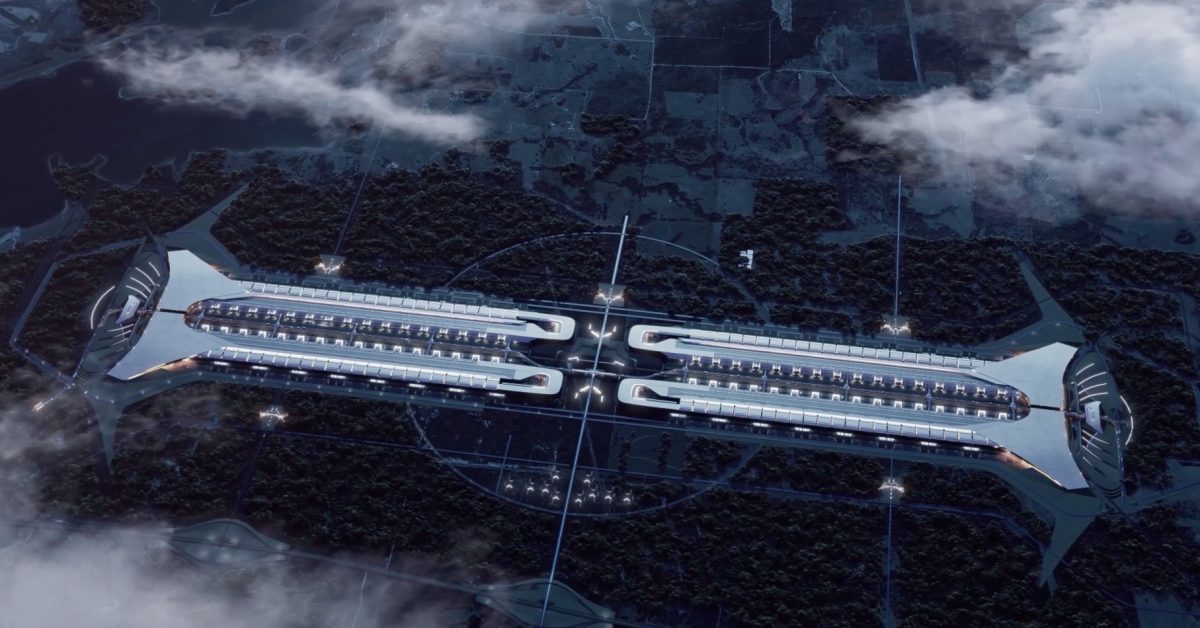
The same week, SpaceX and Tesla announced that Terafab, their jointly developed advanced chip complex, will be built in Grimes County, Texas, about an hour northwest of Houston. The initial phase calls for $16.8 billion in capital from the two companies. The facility, planned for more than 100 million square feet of manufacturing space, would make, package and test advanced logic and memory chips under one roof, producing processors for Tesla’s Optimus robots and Cybercabs along with high-power chips for SpaceX’s planned space-based data centers. The companies say the goal is more than 1 terawatt of compute, a figure that dwarfs current global supply. At least 3,000 people would work there, most of them local hires, and filings suggest total investment could reach $119 billion across later phases.
Terafab has been moving fast since Musk first teased it in March, when the headline figure was $25 billion. Tesla broke ground in April on a research fab at the North Campus of Giga Texas, which the companies described as the project’s precursor, and a May filing proposed an initial outlay of $55 billion. The Grimes County announcement this week narrowed the site and reset the first-phase number to $16.8 billion, with later phases left deliberately vague. The site selection followed the same pattern Musk has used for his other Texas factories: rural land, local hires, and a tax-and-utility package negotiated quietly before the public announcement.
The scale claims are hard to square with anything that exists. No facility on Earth has been built to output a terawatt of compute a year; TSMC’s largest gigafabs are a fraction of Terafab’s stated footprint, and the company’s $165 billion Arizona program spans six fabs. The number comes from Musk’s ambition rather than the chip industry’s math, analysts note. Tesla’s near-term chip supply is already contracted — Samsung’s Taylor, Texas fab produces Tesla’s AI5 chip, and Tesla signed a $16.5 billion deal with Samsung last year for its next-generation AI6. Terafab is a bet on what comes after, and on vertical integration at a scale nobody has attempted.
For Musk, the week brought two pieces of good news: the market cleared the supply overhang that investors had feared, and the ground is breaking on the factory his companies say they need to keep their AI ambitions powered. The stock still trades far below the heights it reached in June, when it closed 19% above the IPO price on day one before shedding more than $1 trillion in market value from its post-debut high. The path back has been uneven — the Nasdaq-100 inclusion in early July forced billions in index-fund buying, and the staggered lockup schedule runs through December, with another large tranche around Aug. 21 and a price-based trigger that would release more shares if the stock trades 30% above the IPO price.
Two tests, two passes. The lockup cleared without the crash analysts predicted, and Terafab moved from filing to groundbreaking. The next test is the one neither a trading session nor a groundbreaking can settle: whether Musk can build chips at a scale the world has never seen. This week, at least, the script ran smoother than expected.