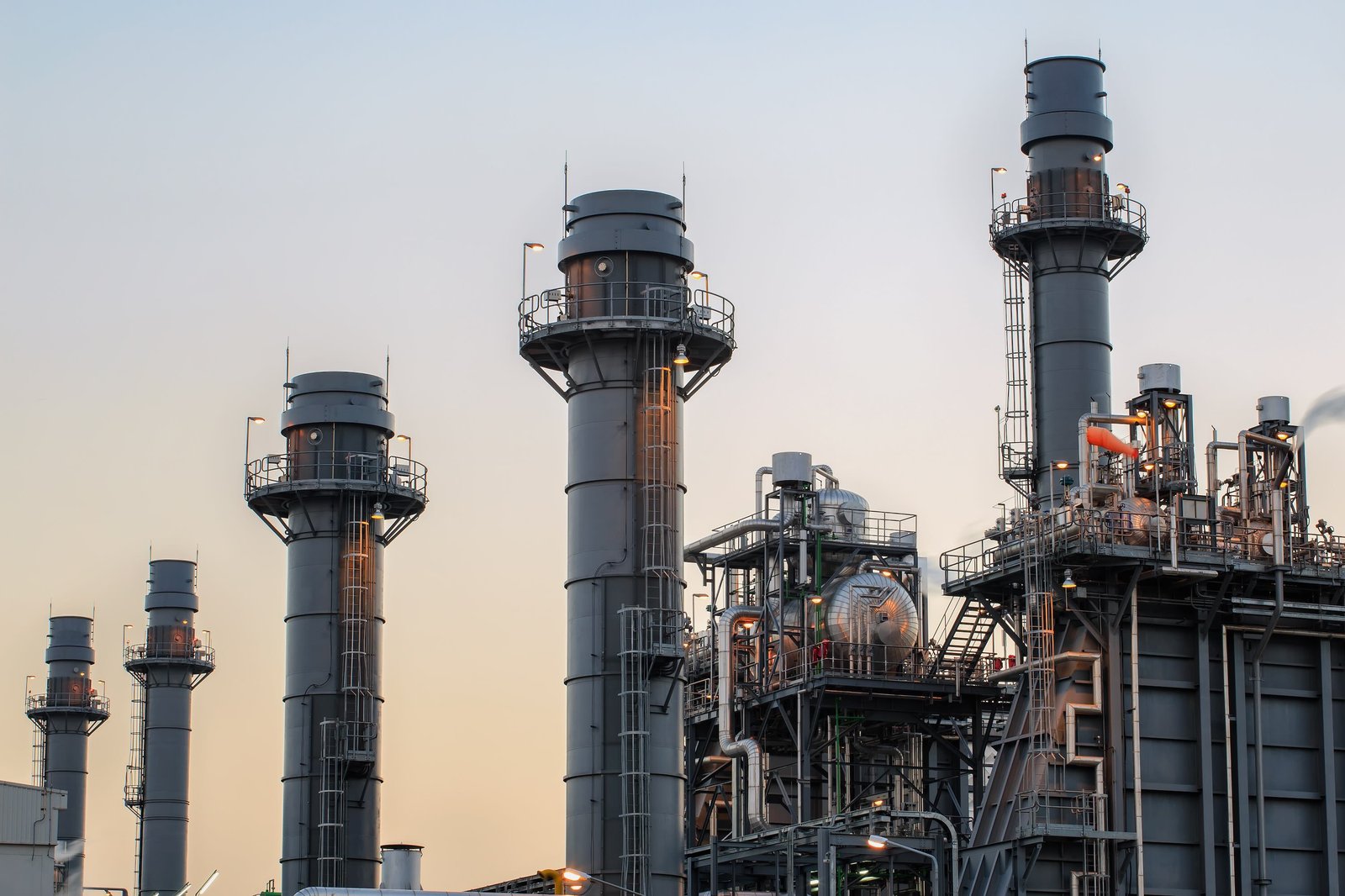
Amazon confirmed on August 8 that it is investing in a large natural-gas power plant to supply a planned data center campus in Pecos County, West Texas, a facility that would be permitted to release more planet-warming gases than any other single power plant in the United States. The New York Times first reported the plan, citing regulatory records showing the plant would be allowed to emit up to 33 million tons of carbon dioxide a year. The current holder of that title, the James H. Miller Jr. coal plant in Alabama, emitted just over 20 million tons in 2024.
The campus, called GW Ranch, spans more than 8,000 acres and will be powered by 35 gas turbines capable of generating up to 7.65 gigawatts, enough to serve more than 1.9 million homes at peak demand, according to state permits. The developer, California-based Pacifico Energy Group, also has approval for up to 750 megawatts of on-site solar and 1.8 gigawatts of battery storage. Amazon has filed building permits for three data center buildings of about 189,000 square feet each, and construction is scheduled for completion in December. The project was first exposed by Cleanview, a research firm that tracks off-grid data center development, which matched satellite imagery with state filings and pushed Amazon to confirm its ownership.
The plant is designed to operate off the Texas grid, at least initially, an arrangement that lets Amazon sidestep the interconnection queues that have delayed data center projects elsewhere. A company spokesperson said the campus would be “powered by new on-site generation that won’t raise electricity costs for Texas families,” and that Amazon believes in “paying the full costs of powering our operations.” Amazon has said it will explore solar and storage at the site and may connect to the grid later, potentially adding supply for local customers.
The emissions math is the hard part. Amazon’s carbon footprint rose about 16 percent last year, according to the company’s disclosures, moving in the opposite direction of its pledge, under the Climate Pledge, to reach net-zero emissions by 2040. A plant allowed to emit 33 million tons a year would be a single facility bigger than the entire footprint of most states’ power sectors, and critics say it makes the pledge harder to defend. Amazon notes it has enabled 10 gigawatts of carbon-free energy across 40 projects in Texas since 2010, and says it remains committed to the net-zero goal.
The scale of the gas burn is unprecedented. If operated at full capacity, the plant could consume one to two billion cubic feet of gas a day, equal to four to seven percent of all Permian Basin gas produced in 2025, according to research by the Rice University Baker Institute for Public Policy. Permits also authorize more than 12,000 tons a year of regulated air pollutants, including soot, ammonia and volatile organic compounds. Facilities rarely emit as much as their permits allow, regulators note, but the headroom is itself a measure of the project’s size.
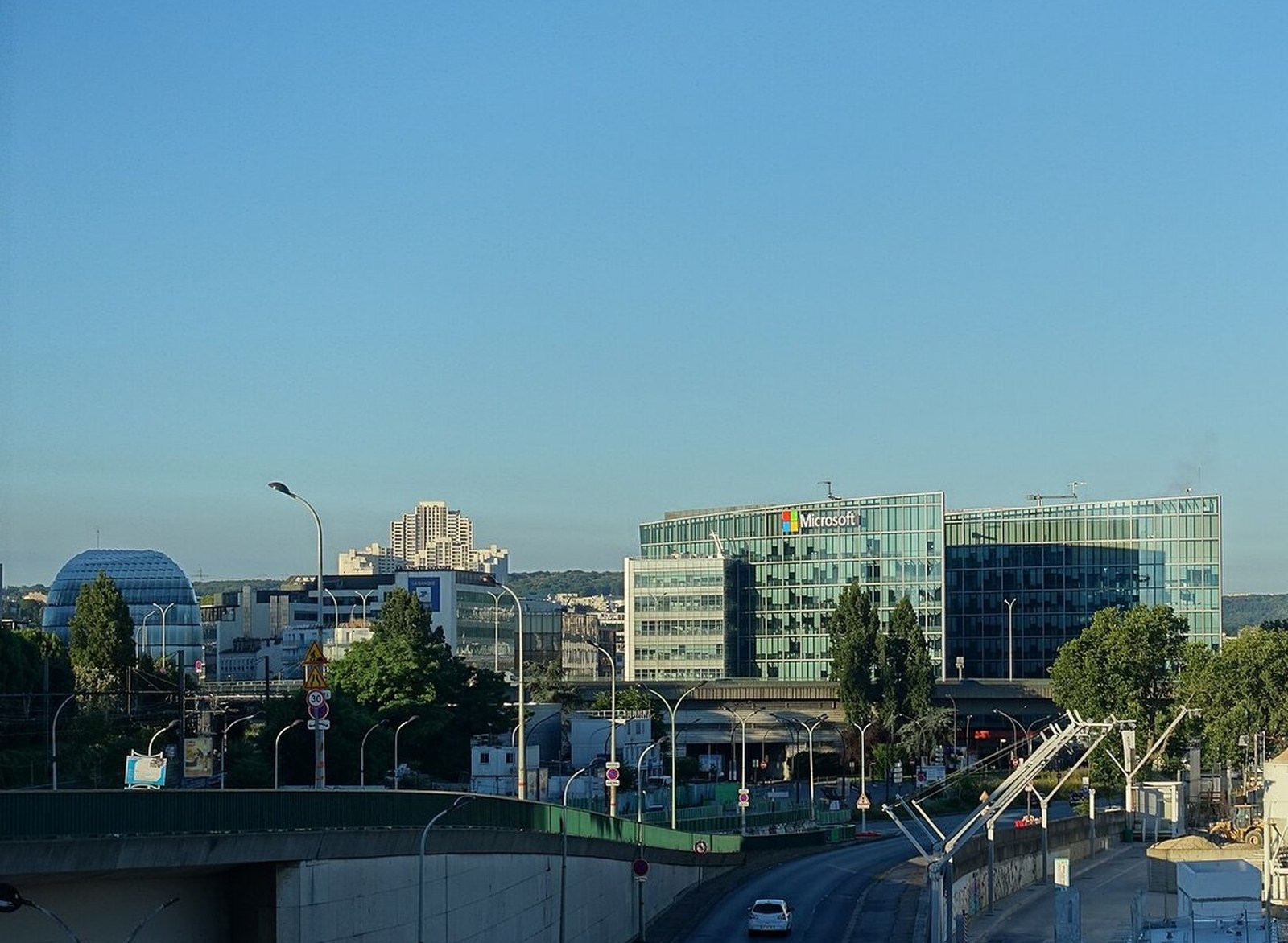
Amazon is not alone. Microsoft and Chevron are developing a roughly 2.5-gigawatt off-grid gas complex about 30 miles away, with plans to expand to five gigawatts. Google and Meta have also invested in gas generation this year, and Amazon is in talks with the developers of a 4.5-gigawatt gas plant in Homer City, Pennsylvania, according to Cleanview. The pattern reflects a simple arithmetic: AI data centers need power faster than grids can deliver it, and the fastest path runs through combustion turbines in lightly regulated states.
The project also tests the limits of local control. Pecos County, sparsely populated and rich in wind and gas, has welcomed energy development for decades, and county officials have generally backed projects that bring tax revenue and jobs to a region that lost much of its agricultural base. Environmental groups counter that permitting rules written for traditional power plants were never designed for facilities of this scale, and that the state’s fast-track approach leaves communities with little say. Both sides agree the GW Ranch campus will reshape the county; they disagree on whether that is a problem.
The Pecos County project has become a flashpoint in that debate. Environmental groups, including the Environmental Integrity Project, have warned that weak air pollution permits in Texas are a systemic problem, and three Democratic senators have written to Pacifico Energy demanding details on the project. The Trump administration’s push to fast-track energy permitting has accelerated the trend.
For Amazon, the calculus is commercial. AWS is racing to secure capacity for AI workloads, and off-grid generation guarantees power in a way that grid interconnections cannot. For the climate pledge, the plant is a contradiction at industrial scale. Analysts who study the sector say the two pressures, compute demand and carbon commitments, are colliding, and that for now the demand is winning. The question Pecos County poses is how many more facilities like this one the country’s climate goals can absorb before the arithmetic stops working.