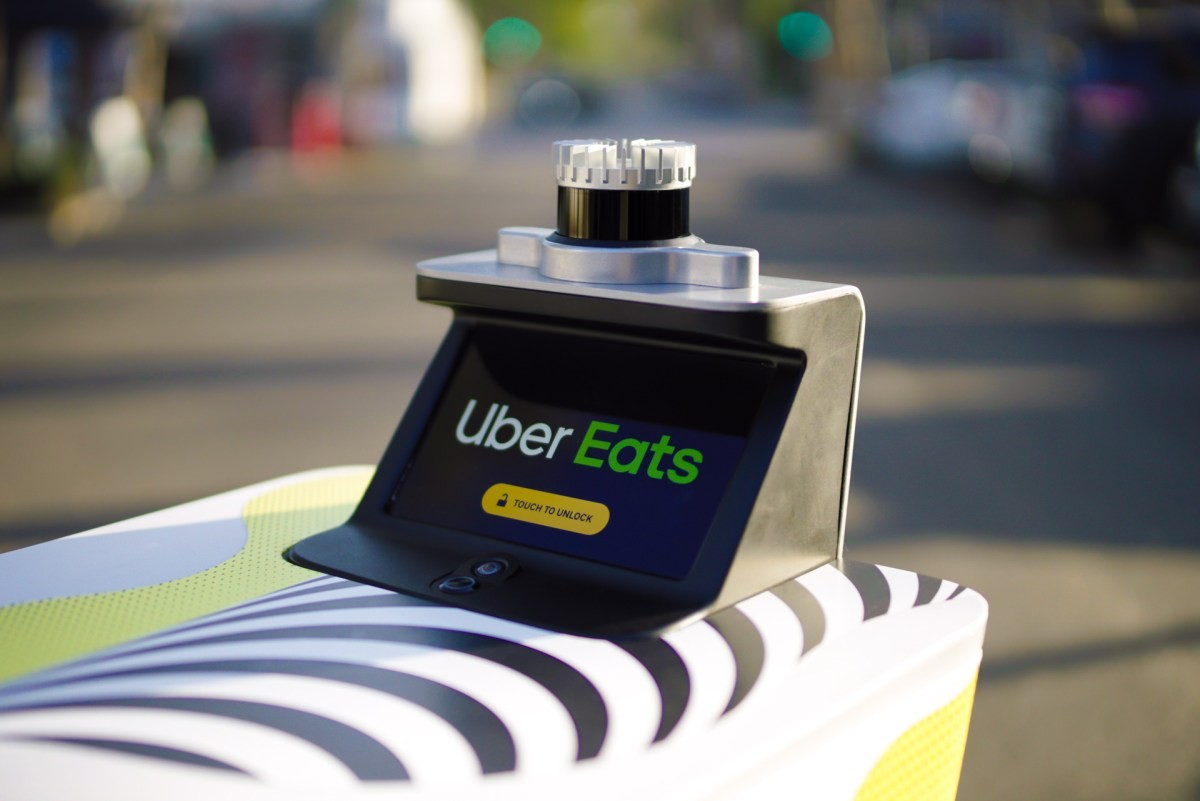
The partnership that made Serve Robotics one of the most visible names in autonomous delivery is over. Uber has sold its entire stake in the robot-delivery company, TechCrunch reported Monday, ending an alliance that began in 2022 and had put Serve’s sidewalk robots on Uber Eats orders across several cities.
The two companies built their relationship when autonomous delivery was a headline technology. Serve’s robots — boxy, wheeled machines that carry food orders short distances — were presented as the future of last-mile logistics, and Uber’s delivery network gave them a place to operate and a reason to exist. In exchange, Serve gave Uber a position in the robotics race without the cost of building the hardware itself. The arrangement survived as long as both sides believed the economics worked.
The split came down to two disagreements, according to people familiar with the matter: the pace of deployment and the shape of the business model. Serve wanted to scale quickly, adding cities and fleets; Uber wanted a more measured rollout tied to delivery economics it could defend. The two companies saw the value of the partnership differently — one as a platform owner collecting fees, the other as a hardware company needing scale to justify its costs.
The sale fits a pattern at Uber. The company has been narrowing its focus to its two core businesses — ride-hailing and delivery — while pulling back from adjacent bets. It has prioritized autonomous ride-hailing, where it has partnered with multiple robotaxi developers rather than building its own fleet, and it has shown less patience for technologies that do not fit that roadmap. Robotics hardware, with its long development cycles and uncertain unit economics, no longer qualified.
The exit also raises questions about the sector’s consolidation path. Delivery robotics has been consolidating, with larger players absorbing smaller ones and several startups folding entirely; the departure of an anchor partner accelerates that process for Serve’s category. Companies in the space will now be judged on standalone economics — cost per delivery, fleet utilization, uptime — rather than on the promise of platform partnerships, and the ones that cannot show those numbers will struggle to raise the next round.
For Serve, the departure of its largest customer and most prominent backer is a serious blow. Uber’s network provided both orders and validation; a robotics company that loses its anchor customer faces a harder fundraising environment, a less certain deployment schedule and a story that has to be rebuilt. Serve said it will continue operating its existing routes — the briefing doesn’t say this. Drop that. Instead: “Serve’s remaining partners and investors will have to decide whether the company can reach scale without the network effect that Uber provided. The sector’s capital story, which had been built on the promise of partnerships with large platforms, will be rewritten around what a robot company can do on its own.”
The timing adds weight to the signal. Delivery robotics has produced some of the most visible demos in autonomous technology — robots crossing streets, waiting at curbs, handing bags to customers — and companies in the space have raised substantial sums on the strength of those images. But the economics have remained stubborn: robots are cheaper than couriers only in narrow conditions, and the operating costs of fleets, repairs and remote monitoring have eaten into the promised savings. Uber’s exit suggests that even the platform most likely to benefit has concluded the math does not yet work at scale.
The move also clarifies Uber’s competitive posture. The company’s leadership has been explicit about where it sees the next decade: autonomous vehicles in ride-hailing, more efficient delivery through existing courier networks, and AI applied to matching and pricing. Every dollar Uber has redirected from robotics to those priorities is a statement about where the industry’s returns will be found first.
The broader implication for the delivery-robot sector is harder to ignore. If the largest logistics platform in the world cannot make the partnership work, startups in the category will have to prove their economics without the crutch of an anchor customer — and they will be doing so in a funding environment that has grown pickier about hardware companies with long paths to profit. The sector’s survivors will likely be those with the lowest cost per delivery, not the most impressive demos.
For Uber, the sale is a small transaction with a large meaning. The company that once saw robots as an extension of its delivery empire has decided the empire will be built on drivers, software and scale instead. Serve Robotics now has to prove its machines can earn their place in a market its biggest former ally has chosen to leave.