
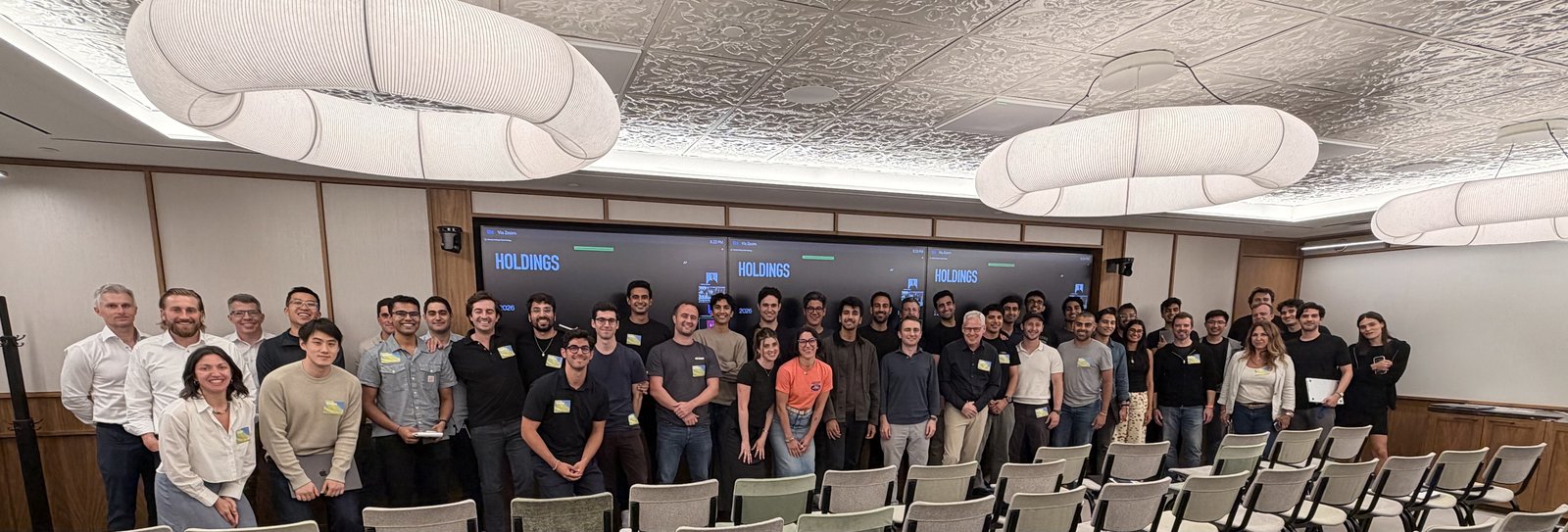
Thrive Holdings, a company that brings artificial intelligence into the core operations of large businesses, said it completed a $2 billion funding round on Aug. 12. The company sits squarely in the OpenAI ecosystem, building its products on OpenAI’s models, and the raise is the latest sign that investors are shifting their attention from the companies that build AI to the companies that put it to work.
The company has not detailed how the capital will be deployed, but people familiar with the matter said the funds will go toward expanding its sales force, deepening its software, and paying for the computing its services consume. Thrive’s business is helping enterprises deploy AI in ways that touch their daily operations: customer service, back-office processes, and the workflows that employees use to get work done.
Thrive is part of a crowded field. The enterprise AI market has attracted a wave of companies offering to install, integrate, and manage AI systems for corporations that lack the expertise to do it themselves. What sets Thrive apart, according to investors, is its position inside the OpenAI ecosystem, which gives it early access to the lab’s models and a close relationship with the organization that many enterprises want to adopt from.
The round’s size is notable. $2 billion is a large sum for an application-layer company, and it reflects a conviction that enterprise AI will produce revenue at a scale comparable to the infrastructure that powers it. The model layer has consumed most of the industry’s capital; the application layer, investors increasingly believe, is where the customers are, and the customers are companies with budgets.
The deal also reflects the balance of power in the OpenAI ecosystem. The lab has built a network of partners that bring its models into enterprises, and each partner serves a different slice of the market. Thrive’s slice is the largest organizations, the ones that need the most integration work and that pay the most for it. Investors said that focus is what made the round possible: a company that sells AI to the biggest corporate names can justify capital at a scale that a generalist platform cannot.
The funding continues a pattern across the industry. Capital has been flowing from the model makers to the companies that serve enterprises, with a series of large raises for firms that install AI into corporate operations. The logic is straightforward: models are a commodity that improves over time, but deployment is a service that requires relationships, integration work, and trust, and those are harder to replicate.
The competitive field is sorting itself by approach. Some enterprise AI firms build their own models; others, like Thrive, resell and integrate models built elsewhere. The second group argues that enterprises do not care who built the model, only that it works inside their business, and that the value is in the deployment layer: the connectors, the training on company data, and the governance that makes AI acceptable to risk officers. Thrive’s $2 billion round is a bet that this argument wins.
Thrive’s customers span industries, according to the company, including financial services, healthcare, and manufacturing, sectors that have been slower to adopt AI because of the stakes involved in getting it wrong. The company says its software is designed to work within the boundaries those customers require, with controls over what data leaves their systems and how models are used.
The OpenAI connection cuts both ways. Being close to the lab gives Thrive access to the latest models and a share of the attention that OpenAI’s brand commands in the enterprise market. It also ties the company’s fortunes to a partner whose roadmap it does not control, and whose own enterprise products compete with the services that partners like Thrive provide.
The relationship with OpenAI is also a guide to where the market is heading. The lab has made clear it wants enterprises to adopt its models through a mix of direct sales and partners, and the partners that thrive will be those that add enough value to justify their fees. Thrive’s position, according to people close to the company, is that its clients are too large and too complex for a model provider to serve alone, and that the integration work is too demanding for the clients to do themselves. That is the gap the $2 billion is meant to close.
Analysts said the round is evidence that the enterprise AI market is consolidating around a few large players. The capital requirements of the business, including the compute costs and the sales teams needed to reach corporate buyers, favor companies that can raise at scale, and the gap between the top players and the rest is widening. Thrive’s $2 billion raise is a bet that it will be among the survivors.
The company faces the same questions as its peers: whether enterprise AI services produce recurring revenue or one-time projects, and whether the value created shows up in the fees charged.
The round’s timing is also a signal. Enterprise AI spending has survived the scrutiny that has hit other parts of the technology market, and companies continue to budget for AI even as they cut elsewhere. Investors said Thrive’s growth reflects that resilience, and that the application layer is where the more durable parts of the AI story live. The company, for its part, has said it expects demand to keep compounding as more businesses move from experiments to production deployments. The answers will determine whether the application layer of AI justifies the capital now flowing into it. For now, the money is there, and Thrive intends to spend it.



