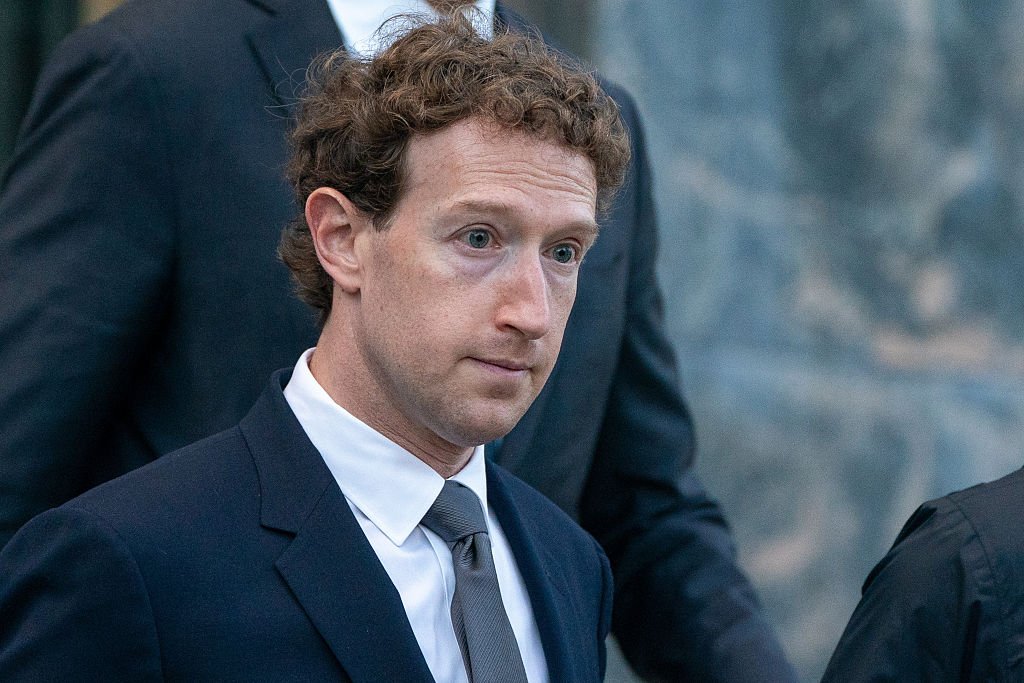
In a federal courtroom in Oakland, prospective jurors were asked on Wednesday about their own scrolling habits, their children’s use of social media, and whether they could set aside strong feelings about the industry. Jury selection opened the first trial brought by state attorneys general against Meta Platforms over the harms its apps allegedly cause to young people, a case that will test the legal limits of algorithmic design.
The trial is the first in a multidistrict litigation filed in 2023 by 29 states, led by California, and it will feature four of them: California, Colorado, Kentucky, and New Jersey. U.S. District Judge Yvonne Gonzalez Rogers is overseeing the proceedings, which are expected to last six to eight weeks, with opening statements scheduled for Aug. 18. The claims accuse Meta of violating the Children’s Online Privacy Protection Act by collecting data on children under 13 without parental consent, and of designing Facebook and Instagram to addict teenagers while misleading the public about the risks.
The states’ complaint describes the company’s approach in blunt terms. Meta, it says, harnessed powerful technologies to entice, engage, and ensnare young users, concealed the ways its platforms exploit minors, and put profit ahead of safety. The trial is the first federal case of its kind to reach a jury, and its outcome could shape the dozens of similar suits pending against Google, TikTok’s parent ByteDance, and Snap.
Meta has denied the allegations and said its record on child safety has improved. The company points to the teen accounts it introduced, which come with stricter privacy settings and messaging restrictions, and to parental controls it has added in recent years. In a statement, it said it disagrees with the allegations and is proud of the progress it has made, and it has argued that the platforms’ features are the same ones adults use and that the company has tried to address concerns raised by regulators and researchers.
The company’s filings in the case sketch the range of outcomes it fears. Beyond the damages the states might win, a jury finding on the design claims could open the door to follow-on litigation from private plaintiffs, who have filed thousands of suits against the platforms over youth harms. Those cases have largely been consolidated and held in the background while the state trial proceeds, and their fate may depend on what the Oakland jury decides.
The case arrives with a recent precedent on the record. A New Mexico court last week ordered Meta to pay $567 million to fund youth mental-health programs, the result of a separate state case that found the company’s platforms harmed young users. That verdict, delivered before the Oakland trial began, gave the states’ lawyers a template for the arguments and a signal of how courts are treating the company’s defenses.
The financial stakes in Oakland are harder to quantify. Meta has said in court filings that penalties in the case could reach $1.4 trillion, a figure legal experts called unrealistic but that highlights how much the company fears a broad liability finding. The states have not put a number on what they are seeking, and the trial judge has indicated the case will turn on evidence of design and intent rather than on headline damages.
The trial also unfolds as Meta’s product machine keeps running. On the same day jury selection began, the company released a standalone Creator Studio application with built-in AI tools, part of its push to keep creators on its platforms and to sell AI features to the professionals who post there. The timing underscored a reality of the company’s position: even as its executives answer for the platforms’ design, the products themselves continue to evolve.
Executives are expected to take the stand, with chief executive Mark Zuckerberg among those observers say could testify. His testimony, if it comes, would put the company’s founder in front of a jury asked to decide whether his products were built to addict children, a confrontation that would echo the congressional hearings where lawmakers have repeatedly pressed him on the same questions.
For the industry, the case is a bellwether. A verdict against Meta on the design claims would give plaintiffs in the other state and federal cases a powerful precedent, and it could push the company toward settlements across the remaining docket. A verdict for Meta would hand the social-media industry its strongest defense against the wave of youth-harm litigation.
For now, the trial’s immediate effects are procedural: a jury is being chosen, evidence is being gathered, and both sides are preparing for a trial that could run into October. But the case’s implications for algorithmic recommendation systems, for how platforms design for young users, and for how much liability attaches to code, reach well beyond the Oakland courthouse.
Whatever the verdict, the trial will produce a public record of how the platforms were built: the internal research on teen use that the company long resisted disclosing, and the decisions executives made as evidence of harm accumulated. That record, lawyers in the other cases said, is itself a form of liability. It gives future plaintiffs a foundation on which to build their own claims without starting from scratch.