N. Chandrasekaran has led Tata Sons, the holding company of India’s largest business group, since 2017, steering it through the aftermath of a dramatic boardroom coup and a global pandemic. On Aug. 14, the company said he will not seek another term when his current one ends in February 2027, and the news landed against a background of unusual turbulence: the trust that would choose his successor has been frozen by a state regulator.
The timing could hardly be more complicated. Tata Group is in the middle of its most expensive expansion ever, with a semiconductor fab under construction, a growing role as an iPhone assembler for Apple, and the operation of Air India, the national carrier it bought back from the government in 2022. Each of those businesses is at a delicate stage, and each now faces the question of what happens when the chairman changes.
The succession machinery is the immediate problem. Tata Sons’ ownership sits in charitable trusts that control the group, and the body that would convene to choose a new chairman is the Tata Trusts, whose trustees were recently frozen in place by an order from the Maharashtra state regulator. The freeze, which the group is contesting, means the mechanism for appointing a successor is, for the moment, not operating normally. People familiar with the situation said the legal fight could take months to resolve.
Chandrasekaran’s tenure has been defined by big bets. He pushed Tata into semiconductors with a fab project in Gujarat, expanded the group’s electronics manufacturing to include Apple’s iPhone assembly, and won back Air India in a privatization auction that surprised the industry. The group’s revenue and market value have grown substantially on his watch, and his departure would remove the executive who made all three of those bets.
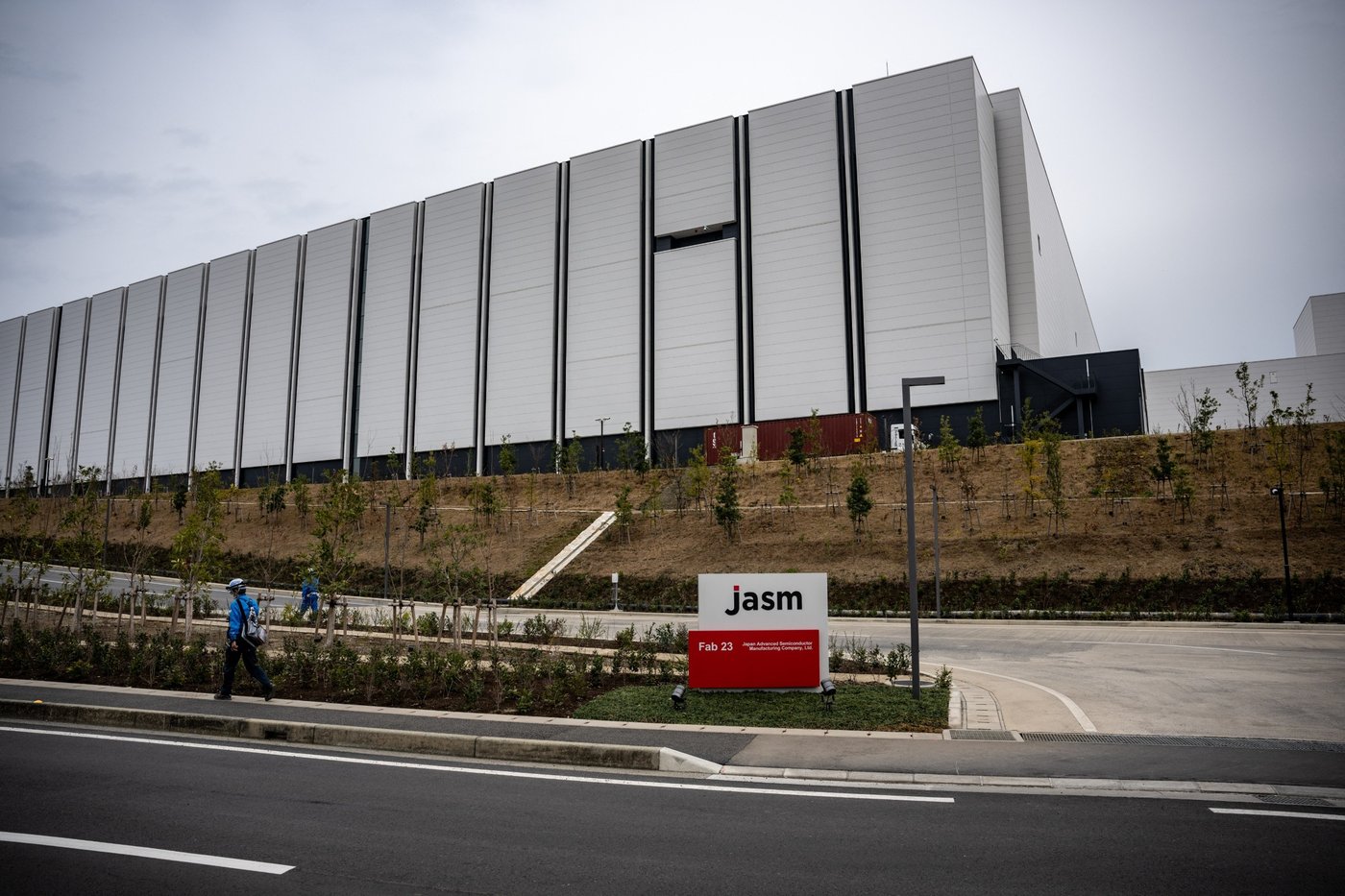
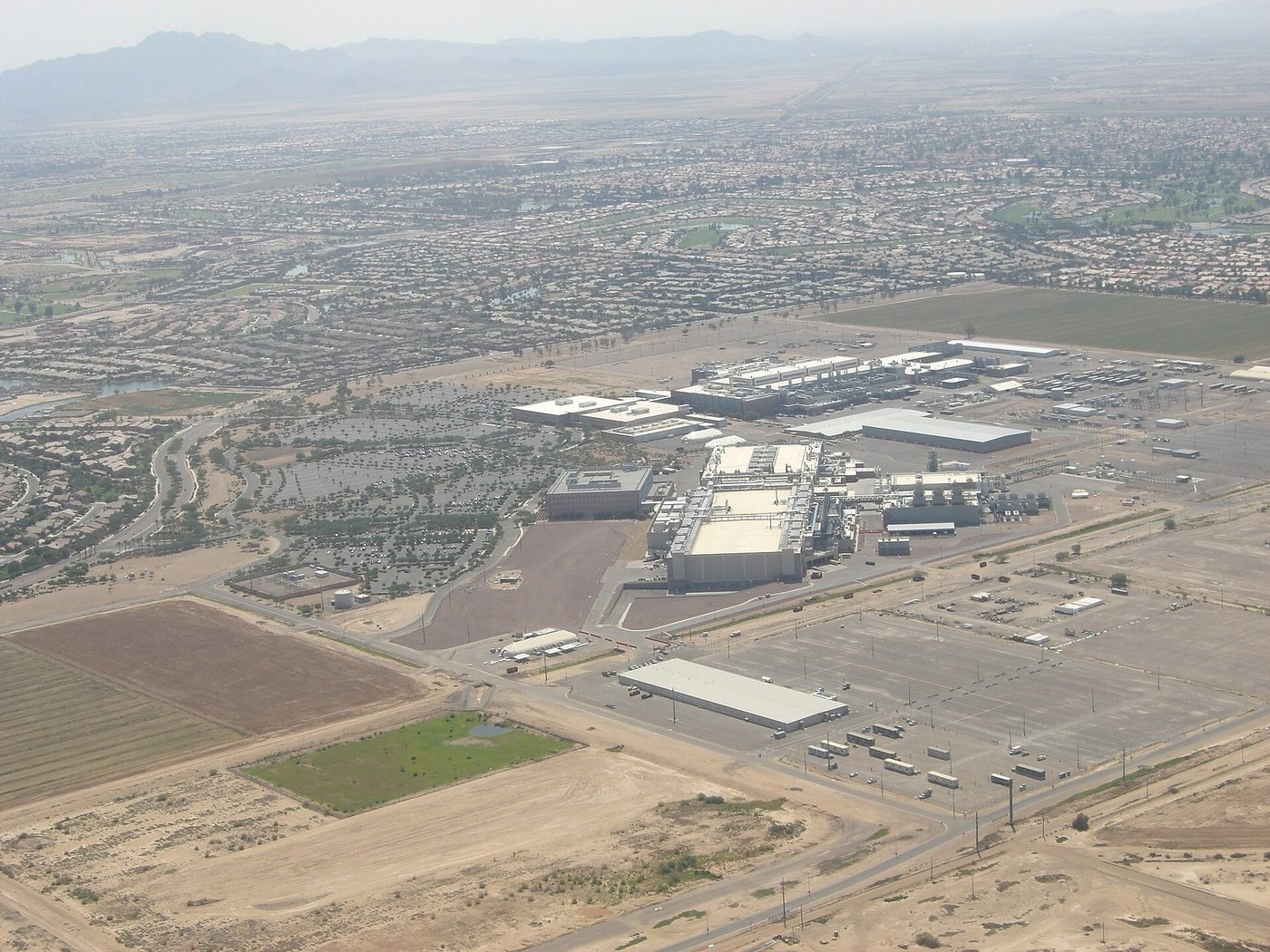
The chip fab is the most consequential of the three. Tata is building India’s first major semiconductor fabrication facility, a project that the government has backed as central to the country’s industrial ambitions. The fab’s timeline extends past 2027, which means its completion would fall under a new chairman. Investors and government officials alike have watched the succession news for signs that the commitment could waver.
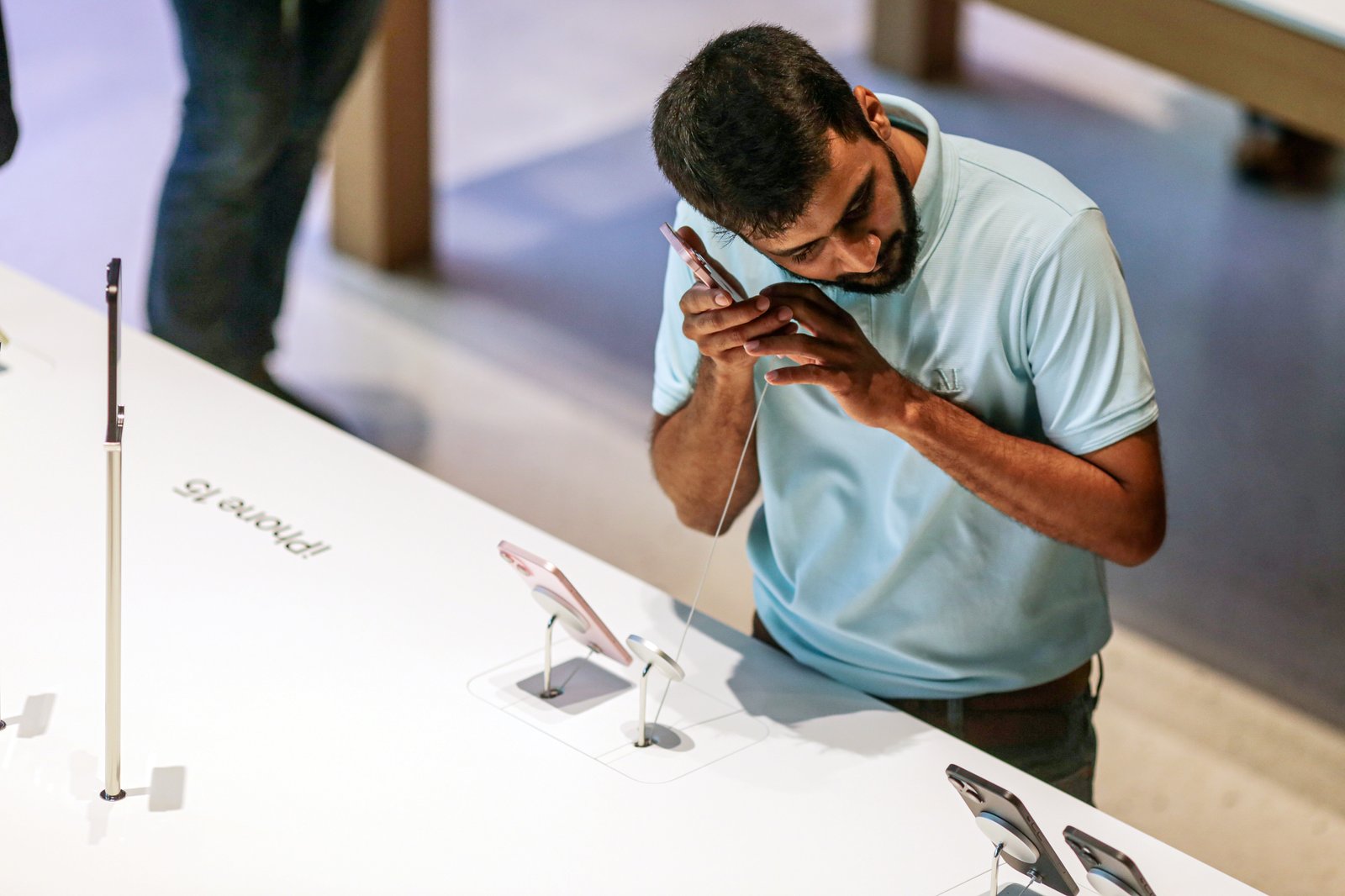
The iPhone assembly business is similarly long-dated. Tata has invested heavily in the factories that assemble Apple’s devices in India, positioning the group as Apple’s principal manufacturing partner in the country as the company diversifies its supply chain out of China. The business has grown quickly, but it depends on relationships with Apple that a leadership change could complicate, and on tariffs and trade policy that shift with every administration.
Air India represents a different kind of challenge. The airline, bought back after years of government losses, is in the middle of a fleet renewal and a service turnaround that Chandrasekaran personally championed. The carrier’s path to profitability is expected to take years, and its chairman has been its most visible defender inside the group. A new leader might reassess the airline’s capital demands.
The Maharashtra regulator’s freeze adds a legal dimension that makes the succession unusually uncertain. The group has said the freeze is unjustified and is pursuing appeals, but while it stands, the trusts cannot convene normally, and the process of identifying a successor cannot begin in the usual way. The combination of a fixed term end and a frozen appointment process leaves a window of uncertainty that analysts said could stretch into 2027.
The group’s structure complicates any answer. Tata Sons is controlled by trusts that have no single dominant shareholder, which has historically made succession a negotiation among trustees and philanthropies rather than a decision by one family. The last transition, in 2016, ended with the removal of Cyrus Mistry and the installation of Chandrasekaran, a process that was public, contentious and damaging to the group’s reputation. The current process, with the regulator in the mix, has the potential to be messier.
The group’s scale makes the stakes concrete. Tata Sons holds stakes in dozens of operating companies that together employ more than a million people and generate revenue equivalent to several percent of India’s gross domestic product. Its interests span steel, software, autos, retail, hospitality and now semiconductors and aviation. A prolonged succession vacuum at the top of that structure would test the group’s decentralized management, which has kept the operating companies running through past leadership crises, but the chairman sets the strategy that the operating companies follow.
Chandrasekaran has said he will serve out his term and help with the transition, and the group’s operating companies continue to run under their own chief executives. But the questions multiply with every month the succession stays unresolved: whether the semiconductor commitment holds, whether the Apple relationship deepens, whether Air India keeps its capital, and whether the trusts, once unfrozen, pick a chairman with the same appetite for big bets. India’s largest conglomerate is entering a period when its direction, not its size, will be the question.