Nvidia’s bet on OpenAI is changing shape. The chip maker is in talks to invest as much as $3 billion in SB Energy, the renewable-power company controlled by SoftBank, according to The Information and Reuters, as part of the financing package behind OpenAI’s Ohio data center project. On the same day, The Wall Street Journal reported that Nvidia has cut its planned guarantee of $250 billion in funding for that project to less than half the original figure.
The two disclosures, published hours apart on Friday, describe a company repositioning its exposure to the AI boom. Instead of backing the full financing envelope for a single customer’s data centers, Nvidia appears to be buying the power assets that feed them, taking equity in electricity generation while shrinking its contingent liability on the construction debt. Analysts who track the deals describe the shift as a move from guarantor to partner, with the balance sheet restructured around assets rather than promises.
The questions raised by the change are immediate. A guarantee that once covered $250 billion of project financing, now reduced by more than half, leaves a gap that someone must fill, and the Ohio project’s developers are now working with a thinner backstop. People familiar with the discussions say the reduction reflects Nvidia’s desire to cap its exposure to a single customer’s construction program, not a loss of confidence in OpenAI itself. OpenAI continues to buy Nvidia chips at record volumes, and the two companies’ commercial relationship remains the largest in the industry.
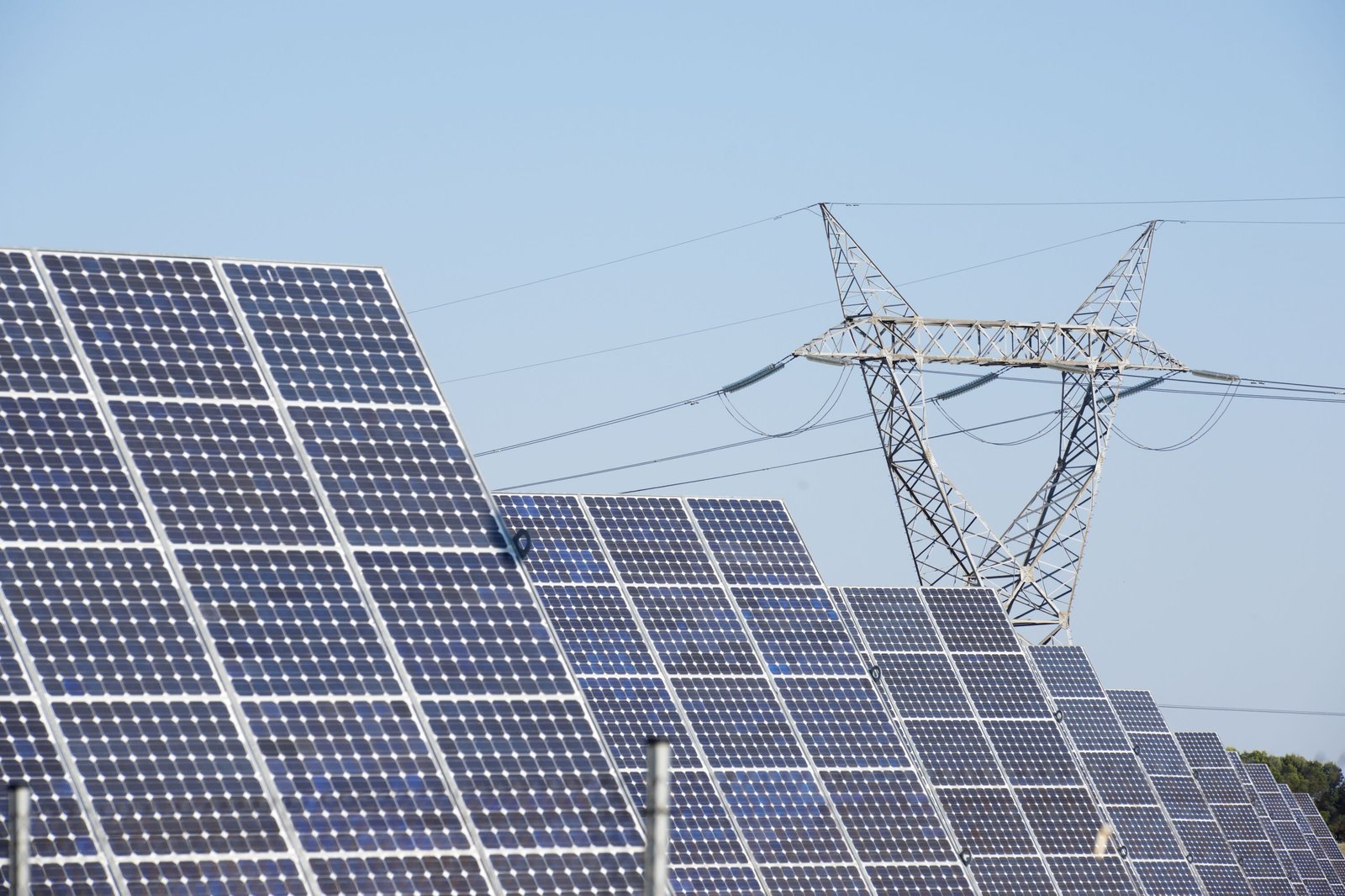
The SB Energy investment adds a different kind of logic. Data centers need power before they need chips, and the Ohio project’s electricity supply was already tied to SB Energy’s solar and storage portfolio. An equity stake would let Nvidia capture returns on the power side of the AI economy while securing capacity for its largest customer. SoftBank, which acquired SB Energy from the Japanese conglomerate’s renewables push, would gain a deep-pocketed partner to fund new capacity. Terms being discussed value the investment at up to $3 billion, according to the reports, though people involved caution that the figure could move as negotiations continue.
Nvidia’s own filing with the Securities and Exchange Commission, submitted the same day, shows where the company’s balance sheet stood at the end of the second quarter. The 13F disclosure lists total stock holdings of $63.44 billion, with SpaceX accounting for about $21 billion and Intel for roughly $30 billion. The filing also shows that Nvidia cut its Intel stake by nearly half during the quarter, a reduction that surprised some investors who had read Nvidia’s earlier accumulation as a show of confidence in the struggling chip maker.
The Intel position was itself a story within the story. Nvidia began buying Intel shares in 2025, a move that fueled speculation about a possible acquisition or deeper partnership, and the stake grew large enough to make Nvidia a top Intel holder. The second-quarter reduction does not end that speculation, but it changes the signal: Nvidia is trimming a troubled holding while adding an energy asset and keeping its bet on SpaceX, the rocket company in which it has invested before.
Taken together, the moves describe a portfolio that favors customers and power over manufacturing rivals. SpaceX is a buyer of Nvidia’s automotive and edge computing chips, Intel is a competitor in some product lines and a partner in others, and SB Energy would sit directly in the supply chain of Nvidia’s biggest customer. The shift is consistent with a company that wants its investments to reinforce its core business rather than diversify away from it.
The financing question remains the sharpest edge. OpenAI’s data center program is among the largest construction efforts in American industrial history, with multi-billion-dollar campuses in Ohio, Texas, and elsewhere planned or under way. Guarantees from Nvidia and other suppliers helped convince lenders that the projects would be completed, and a shrinking guarantee shifts more risk onto OpenAI’s own balance sheet and its other partners. People familiar with OpenAI’s fundraising say the company has been in discussions with additional investors to backfill any shortfall, and that the project timeline has not changed.
There is also the circular-financing critique that the arrangement invites. A chip maker that sells processors to a customer, guarantees the customer’s construction debt, and then invests in the customer’s power supplier creates a web of related-party transactions that auditors and regulators will examine closely. Analysts who have reviewed the deal structure say the arrangements are legal but unusual, and that the disclosures around them will matter as much as the terms themselves.
For Nvidia, the rebalancing protects the most important asset it has: the growth of AI computing demand. The company’s market value has made it the world’s most valuable public company by a wide margin, and its stock trades on the assumption that OpenAI and other labs will keep buying chips in record quantities for years. Securing power capacity, trimming the guarantee, and holding a large position in a customer that pays for chips are all ways of making that assumption more durable.
The deals are not done. The SB Energy investment requires agreement on valuation and structure, and the guarantee reduction has not been formally disclosed by either company. But the direction is clear from the filings and the reports: Nvidia is converting a portion of its OpenAI exposure from debt-like promises into equity-like positions, and it is doing so at a moment when the entire AI supply chain is being rebuilt around power, chips, and capital.