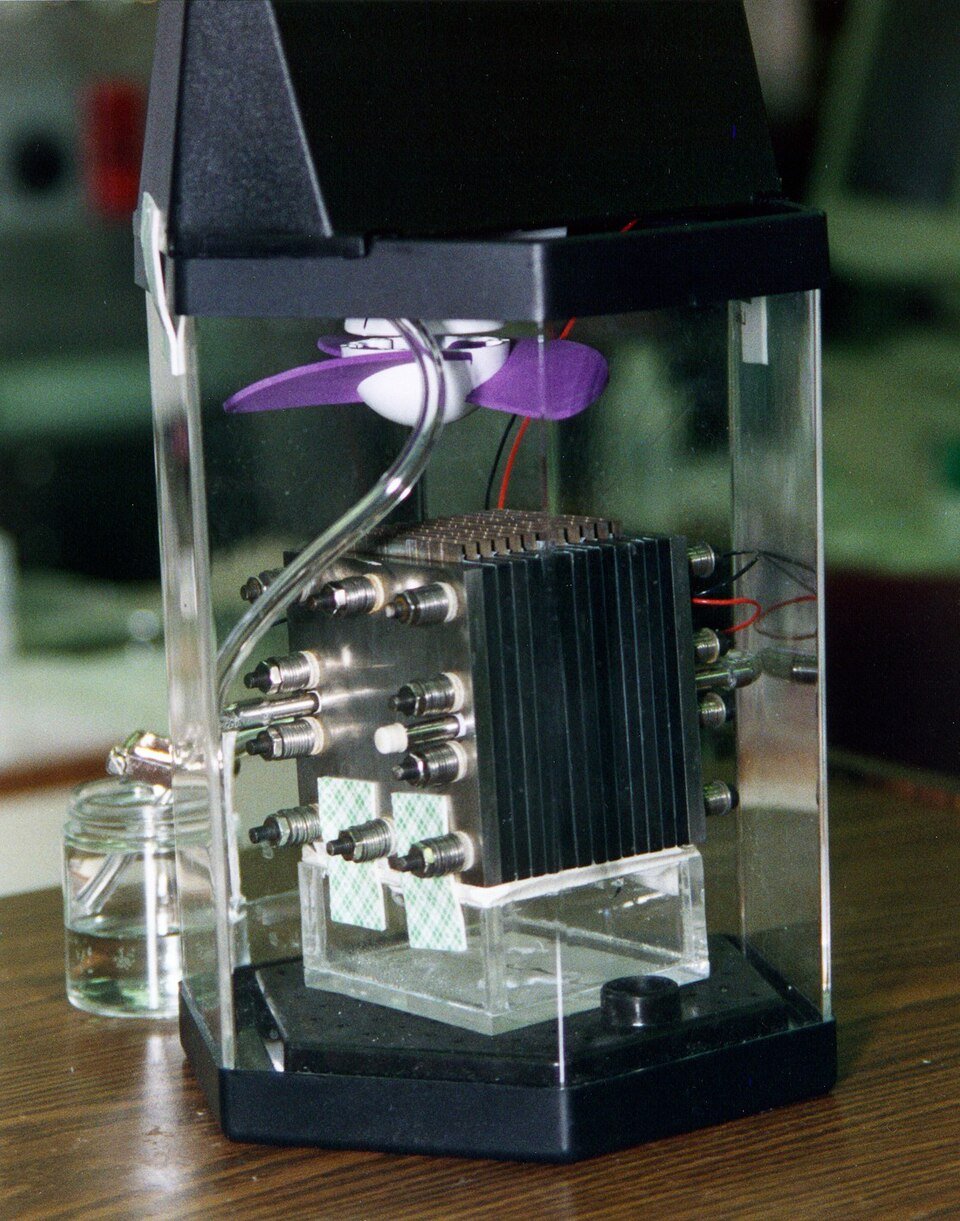
Nebius, the AI cloud company, said on Aug. 17 that its 300-megawatt data center in New Jersey will run on Bloom Energy fuel cells instead of gas turbines, a switch that sent Bloom’s shares up 12% and opened a new route for powering the AI buildout. The decision was about speed as much as technology: fuel cells enjoy permitting advantages under the Clean Air Act that gas-fired power plants do not, and in the AI race, time to power is the currency that matters.
The permitting story is the key to the deal. Gas turbines, which generate power by combustion, face strict air-quality permitting under the Clean Air Act, and the approval process for a new gas plant can stretch for years as regulators weigh emissions and community opposition. Fuel cells, which generate power through electrochemical reactions rather than combustion, sit in a different regulatory category, with a faster path from application to operation. For a data center developer that needs power in a matter of quarters rather than years, the difference is decisive.
The New Jersey project shows how the choice plays out. A 300-megawatt facility is a significant load, roughly the electricity demand of a mid-sized city, and securing that much power through the traditional pipeline would have meant years of permitting, grid interconnection, and construction. By switching to fuel cells, Nebius traded a longer, more uncertain process for a shorter, more expensive one, and the trade makes sense in a market where compute capacity is the scarcest resource in the industry.
The deal is a validation of Bloom Energy’s long-running bet on the data center market. The fuel cell maker has spent years trying to position its technology as the answer to the data center power crunch, arguing that its systems can be deployed faster than grid connections and with fewer emissions than diesel or gas generation. The Nebius contract, a 300-megawatt commitment from a serious AI cloud operator, is the kind of anchor order the company has been working toward.
The economics are not straightforward. Fuel cells carry higher upfront costs than gas turbines, and the electricity they produce is generally more expensive per unit, which is why they have struggled to displace combustion generation in ordinary power markets. Data centers are a different customer: they need power on a schedule, with certainty, and they are willing to pay a premium for speed. The premium is the price of entering the AI market before the permitting queue clears.
The broader lesson is that the AI compute race has moved to the power supply stage. The industry’s binding constraint is no longer chips, which are being produced at record volumes, but electricity, which requires permits, grids, and fuel that are all in short supply. Companies are now contesting every possible source of power, from fuel cells to small modular reactors to geothermal wells, and every technology that can deliver electrons faster is getting a second look.
Nebius itself is an interesting actor in this story. The company emerged from the reorganization of a large internet business, and it has rebuilt itself as a specialist in AI infrastructure, building data centers designed specifically for machine learning workloads and renting the capacity to developers. Its decision to power one of its flagship sites with fuel cells will be read across the industry as a signal about which power technologies are ready for prime time.
The reaction in Bloom’s stock, up 12% on the announcement, shows how hungry investors are for power stories with revenue attached. The data center power market has been the subject of intense speculation, with utilities, developers, and technology companies all competing for the same scarce electrons, and a confirmed contract is worth more than a dozen speculative announcements. For Bloom, the Nebius order is a foothold in the fastest-growing segment of the power market, and for the industry, it is evidence that the fuel cell route to data center power has left the pilot stage.
Bloom Energy’s history explains its positioning. The company was founded by a former NASA scientist who originally worked on technology for producing oxygen on Mars, and it has spent two decades selling fuel cells to commercial customers, from hospitals to data centers, arguing that its systems deliver reliable power with lower emissions than combustion generation. The Nebius order is the kind of scale deal the company has been chasing, and the 12% jump in its shares reflected the market’s recognition that the data center story is finally producing contracts.
The choice of New Jersey is itself instructive. The state has become a battleground for data center power, with developers competing for the same grid capacity and local communities pushing back on new gas plants, and a fuel cell installation that avoids the combustion permitting path sidesteps much of the opposition. The project will still need grid connections and approvals, but the fuel cell route removes the slowest step, and other developers in the region will be watching how fast the power actually arrives.