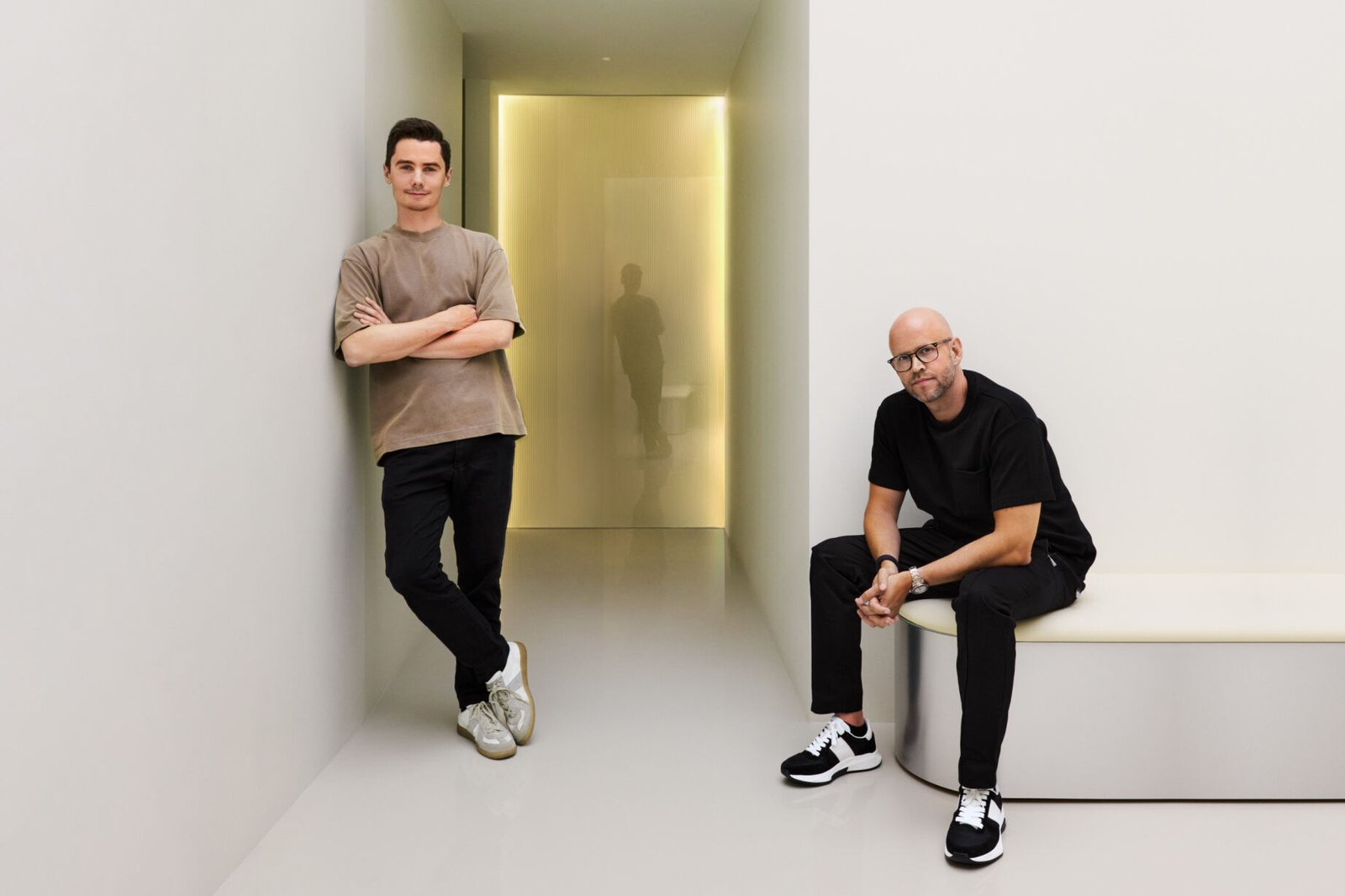
The full-body scanner that has screened tens of thousands of patients in Europe arrives in New York this week. Neko Health, the health startup founded by Spotify creator Daniel Ek, opened its first American clinic in the city, TechCrunch reported on Aug. 18, bringing a model of preventive medicine built in Stockholm to the largest health care market in the world.
The pitch is simple: a full-body scan, completed in about an hour, that measures hundreds of data points across the body, with artificial intelligence reading the images and clinicians reviewing the results. The scan is designed to catch problems early, the company says, spotting changes that would otherwise go unnoticed until symptoms appear. The model has drawn tens of thousands of patients at its European clinics, where the service is sold as a paid preventive health check rather than a diagnostic tool.
The New York opening is the company’s first move outside Europe, and it is a test of whether the model travels. Neko Health was founded by Ek and a co-founder in 2018, and it has operated clinics in Stockholm and London, building a following among patients willing to pay for a deeper look at their own bodies than standard checkups provide. The United States presents a different set of conditions, and the company’s success here will depend on how it navigates them.
The American market is both larger and more complicated. Health care in the United States is paid for through insurance, employers, and out-of-pocket spending, and a cash-pay preventive scan sits outside the usual reimbursement structure, which means Neko must sell directly to consumers who can afford the price. The company’s European experience suggests there is demand for the service among people who view it as an investment in their own health, and the same psychology should exist in New York, where disposable income and health anxiety both run high.
Regulation is the other variable. Medical devices in the United States are subject to FDA oversight, and a scanning system that makes health claims will need to clear the agency’s review process, a hurdle the company has not faced at the same level in Europe. The path forward is to position the service as a general wellness check rather than a diagnostic product, which reduces the regulatory burden but also limits what the company can claim about the scan’s findings.
The competitive field is already forming. Other companies have built businesses around whole-body scanning in the United States, offering premium imaging to patients who want more certainty than a standard physical provides, and the market has shown that consumers will pay for the experience. Neko’s differentiator is the combination of speed, price, and AI-assisted reading, which the company argues makes preventive scanning practical at a scale the incumbents cannot match.
Ek’s involvement gives the company a profile that most health startups lack. The Spotify founder has become one of Europe’s most prominent technology investors and entrepreneurs, and his name opens doors, in the United States as much as in Europe, for a company entering a market where consumer trust is hard to earn. His second act, after music, is a bet that the same instincts that built a subscription business in entertainment apply to preventive medicine.
The medical establishment remains skeptical of whole-body scans for healthy people. Evidence that scanning healthy populations improves outcomes is thin, and critics argue that the approach finds harmless anomalies that lead to unnecessary follow-up tests and anxiety. The companies in the space respond that their scans are adjuncts to, not replacements for, standard care, and that early detection has value even when the numbers are not conclusive.
For Neko, the New York opening is the beginning of a longer test. The company needs to prove that Americans will pay for the service, that the regulatory path holds, and that the model works at scale outside its home market. Ek has built one company by selling people something they did not know they needed; the question in New York is whether health scans are the next version of that bet.
The New York clinic is the latest step in a European expansion that has been carefully paced. Neko opened its first clinic in Stockholm in 2023 and expanded to London the following year, building the operating playbook, the patient base, and the data that make a U.S. entry credible, and the company has said its model improves with every scan, as the AI systems that read the images learn from the accumulating dataset. A U.S. operation at scale would multiply the data flow, which is part of the strategic appeal of the move.
The American health care system offers both the opportunity and the obstacle. The United States spends far more per person on health care than Europe, and a population accustomed to out-of-pocket spending on wellness is a natural market for a preventive scan, but the same system’s complexity, its liability culture, and its regulatory machinery make entry harder. Neko’s answer is to start in New York with a paid service and prove the demand before engaging the insurance system at all, a strategy that keeps the early regulatory surface small while the model establishes itself.