Apple has laid off at least 60 employees from its Vision group, the unit that built the Vision Pro headset, according to people familiar with the matter, a reduction that comes as the company redirects resources toward a new line of AI-powered glasses. Apple has not commented on the cuts, which affected staff working on virtual reality development within the Vision division.
The layoffs are the first visible sign of a strategic shift that has been building inside the company for months. Apple’s engineering resources are flowing toward smart glasses that integrate artificial intelligence, a product expected to be unveiled at the company’s Worldwide Developers Conference in 2027 and to reach stores later that year, according to people familiar with the product plans. The Vision Pro, by contrast, has never found the audience Apple hoped for.
The timing is pointed. John Ternus, Apple’s hardware chief, is set to succeed Tim Cook as chief executive, and the restructuring of the Vision group is widely seen inside the company as the first major product-line decision of the coming administration. Ternus has built his reputation on hardware execution, and his arrival has coincided with a broader reassessment of where Apple’s next-generation bets should sit. The reduction of the Vision team signals that the spatial computing strategy championed under Cook’s watch is being reweighted, not abandoned.
The Vision Pro’s problems are well documented. The headset launched in early 2024 at $3,499, a price that put it out of reach of most consumers, and its sales never approached the volume Apple achieved with its mainstream products. Reviews praised the technology and questioned the value, and the device developed a reputation as a demo that most owners used less and less over time. Apple has repeatedly declined to disclose sales figures, but analysts’ estimates have consistently painted a picture of a product that underperformed its billing.
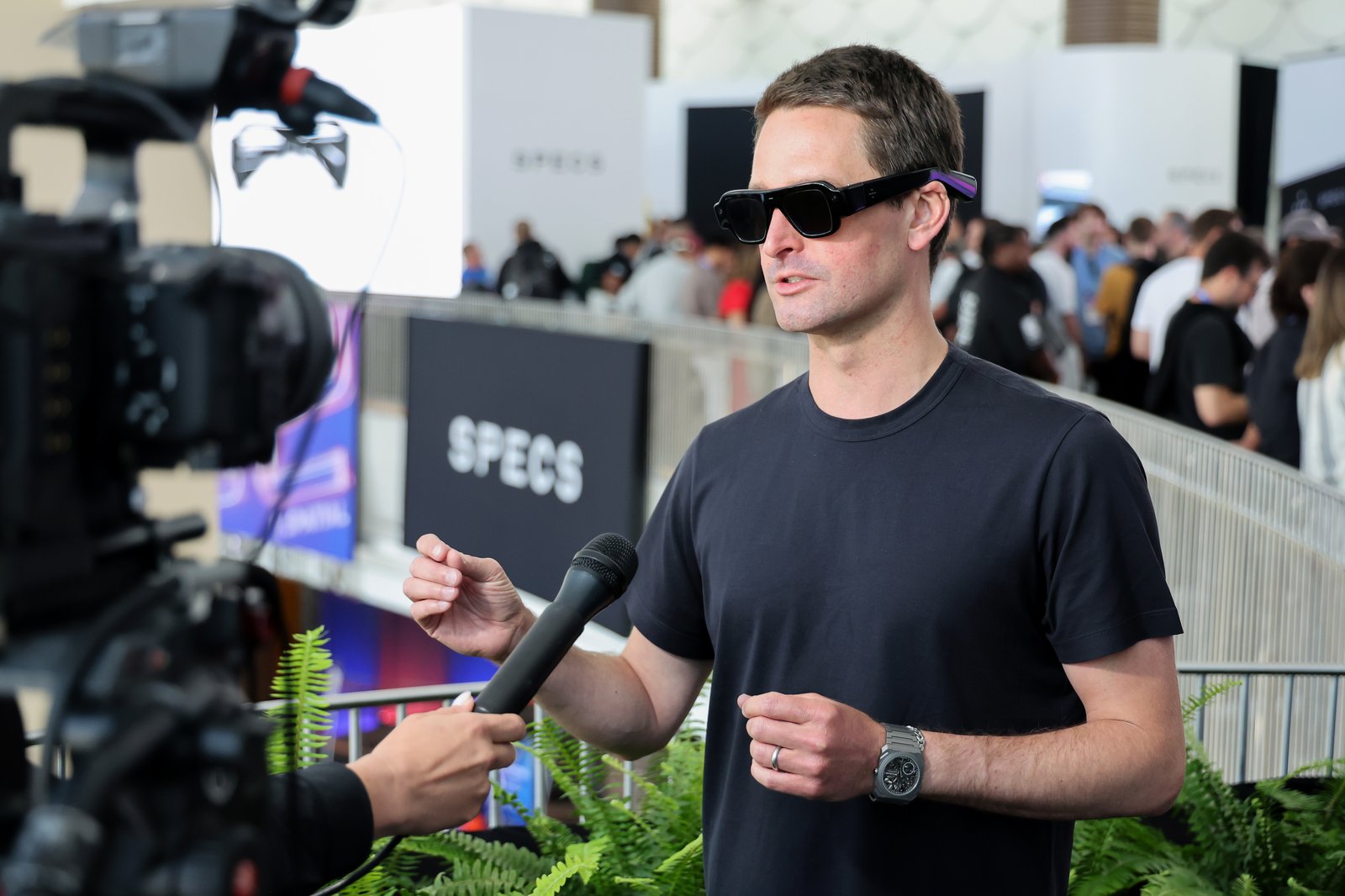
Apple’s move toward glasses follows a logic that has been visible in the market for years. Competitors have shipped lighter, cheaper eyewear that pairs with phones and offers AI assistance without the bulk and cost of a full headset. Meta has sold millions of its Ray-Ban smart glasses, and the category has become one of the fastest-growing in consumer electronics. For Apple, the appeal is obvious: glasses are something people wear all day, which makes them a platform in a way that a headset worn occasionally is not.
The shift also reflects a change in how Apple talks about its ambitions. The company’s executives spent years describing spatial computing as the next major computing platform after the phone. The Vision Pro was supposed to prove that thesis. Instead, the device demonstrated that the technology was ahead of the use cases, and that consumers were not prepared to pay thousands of dollars for a screen strapped to their faces. The glasses strategy is a concession to that reality: less immersive, far cheaper, and aimed at the mass market from the start.
People familiar with Apple’s plans say the company believes AI will be the feature that makes glasses work. An assistant that can see what the wearer sees, answer questions, translate speech, and surface information without requiring a phone could justify wearing a device all day. Apple has been building the underlying intelligence into its phones for years, and the glasses are designed to take advantage of that work. The question of who controls the display, the data, and the payments flows from that bet.
The layoffs in the Vision group are modest by the standards of the industry, affecting a small fraction of the division’s staff. But they carry an outsize signal. Apple rarely shrinks a high-profile unit without a change in strategy, and the timing, so close to the leadership transition, tells employees and investors where the company intends to invest. Engineers who worked on the headset are being reassigned where possible, according to people familiar with the matter, but some roles tied to the Vision Pro’s specific hardware are being eliminated.
The decision has not been made without internal debate. Some Apple executives argued that the Vision Pro represented a long-term bet worth funding indefinitely, pointing to the device’s advances in displays, optics, and spatial audio as investments that would pay off in future products. Others argued that the company could not continue pouring resources into a product with weak sales while competitors moved ahead in the glasses category. The outcome suggests the latter view prevailed, at least for now.
Investors have mostly welcomed the shift. Apple’s stock has been under pressure from concerns that the company has not produced a new category-defining product since the Apple Watch, and the promise of AI glasses gives the company a story it can take into the next product cycle. Analysts note that the timing of the 2027 launch would give Ternus a flagship introduction early in his tenure, the kind of product moment that defines a chief executive.
The company’s history offers reasons for caution and for confidence. Apple has killed projects before, from the Newton to the AirPower charger, and its willingness to abandon weak bets has been part of what keeps its product line focused. It has also, on occasion, returned to abandoned ideas when the technology matured. The Vision group’s reduction does not mean Apple is out of the spatial computing business; it means the company is betting that the future of that category is something people can wear on their nose, not on their face.