The documents landed on the National Highway Traffic Safety Administration’s website on a Friday morning, and reporters who opened them found the answers to the regulator’s questions missing. Waymo LLC had responded to NHTSA’s investigation into a January crash in which one of its robotaxis struck a child — and the responses were redacted entirely, citing confidential business information. The company had submitted something. It had said almost nothing.
The investigation began a week after the crash, when NHTSA announced it was looking into the collision involving a child and a Waymo robotaxi. The regulator’s Office of Defects Investigation sent Waymo 12 questions, some with sub-questions, on March 23. Waymo’s initial deadline was May 8, but the documents posted on Aug. 21 show the company asked for an extension in a letter dated May 1, requesting clarification on some of the questions.
The posted responses, which came after Waymo was granted extra time to prepare them, are blacked out in full, according to the documents reviewed by TechCrunch. The redactions cite confidential business information, a category that regulators permit companies to invoke for trade secrets and proprietary data. The practical effect is that the public — and the media reviewing the investigation file — has no idea what Waymo told NHTSA about how a robotaxi came to strike a child.
The crash itself is not in dispute. A Waymo vehicle struck a child at low speed in January, and the child was injured, according to NHTSA’s investigation file. The details beyond that — where the vehicle was operating, how the child came to be in its path, what the vehicle’s sensors and software did in the seconds before impact — are exactly the questions NHTSA asked, and exactly the content the redactions cover.
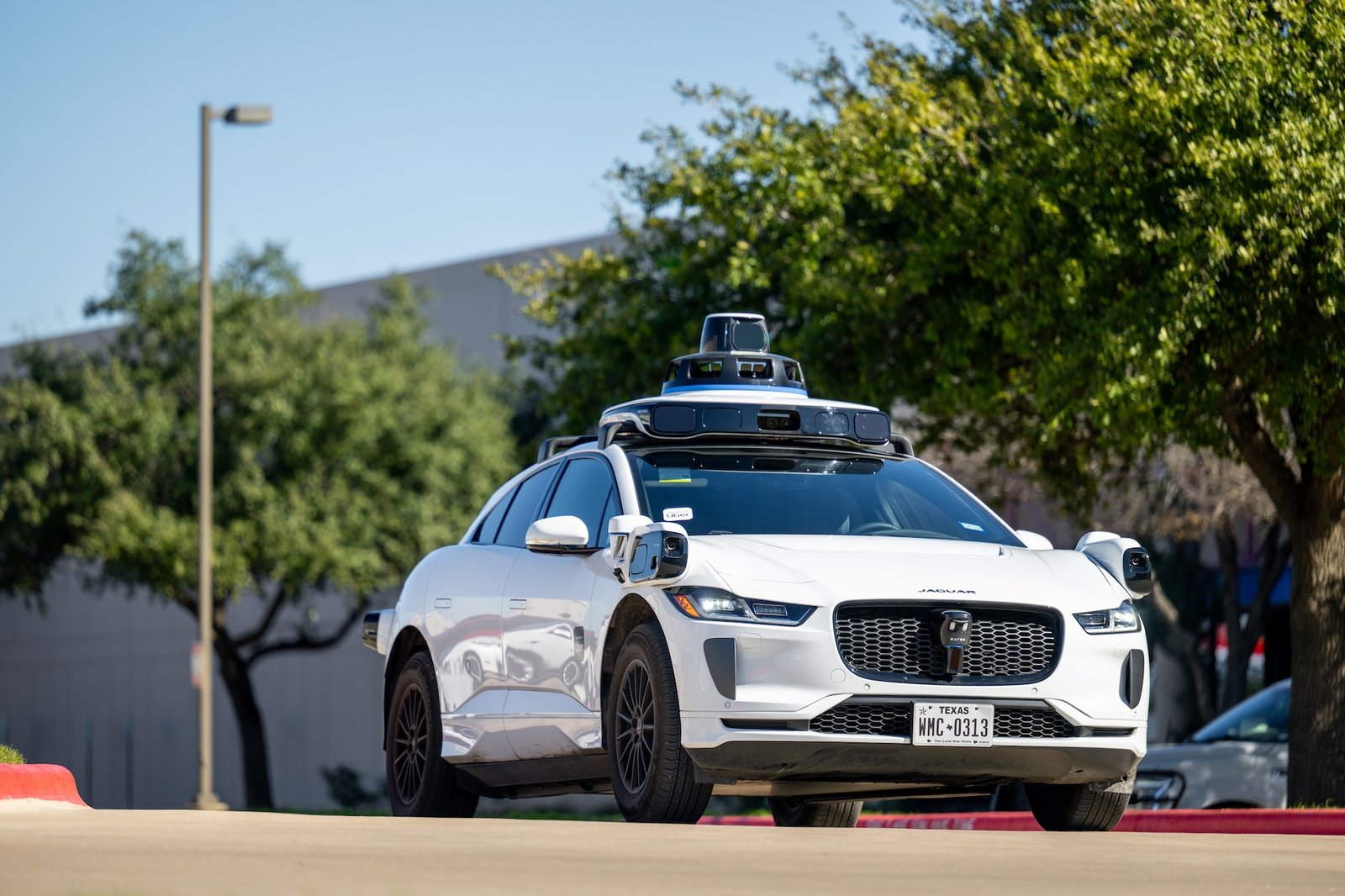
The timing and the opacity have drawn criticism from multiple outlets, which have questioned whether a company racing to commercialize driverless cars is using confidentiality rules to avoid public scrutiny of a safety incident. Waymo operates the largest robotaxi service in the United States, with fleets in Phoenix, San Francisco, Los Angeles, Austin and other cities, and it has been expanding faster than any competitor. Its regulators, the argument goes, should not be the only ones who can see how it answers for a crash.
Waymo says the redactions are routine. Companies responding to NHTSA inquiries regularly mark proprietary material confidential, and the agency accepts those markings and publishes what it can. The company has pointed to its safety record — its vehicles have a collision rate far below the human baseline in the cities where they operate, according to company data and third-party analyses — and has said it cooperates fully with all investigations.
NHTSA said it is reviewing Waymo’s other responses and will publish them in the investigation file upon completion, a statement that leaves open the possibility that at least some material will eventually appear unredacted. The agency also said its investigation is continuing. A separate probe by the National Transportation Safety Board, which investigates crashes independently, is also under way.
The episode arrives at a sensitive moment for the driverless industry. Waymo has spent two years moving from pilot programs to paid service at scale, and its growth has been built on public acceptance as much as on technology. Each high-profile incident — a crash, a recall, an opaque regulatory filing — becomes a test of whether the public trusts a company that is asking them to ride in cars without drivers.
The redactions also raise a question about the regulatory relationship itself. NHTSA’s authority over self-driving software is narrower than its authority over traditional vehicles, and the agency has relied heavily on voluntary cooperation from the companies it regulates. When the cooperation is visible — a company answers questions fully, the public sees the answers — the system has credibility. When the answers arrive blacked out, the credibility transfers to whoever is asking the questions.
There is a defensible version of Waymo’s position. The company operates in a hyper-competitive market where the details of its sensor configurations, perception models and response logic are genuinely proprietary, and competitors would pay for access. NHTSA itself acknowledges the legitimacy of confidential business information claims and has processes for handling them. A company that disclosed its full engineering stack in response to every inquiry would be giving away the crown jewels.
The problem is the scale. When an entire response is redacted, it is impossible to distinguish the trade secret from the explanation of what happened to a child. Regulators may be satisfied; the public, which is being asked to share the road with driverless cars, is not. The companies that have navigated this tension best — in aviation, in medicine — have found ways to disclose what happened without disclosing how they built it. Waymo’s filing does neither.
For now, the investigation proceeds on NHTSA’s schedule, and the next round of filings will show whether the redactions were a one-time caution or a pattern. The broader question for the robotaxi industry is whether its most aggressive operator can rebuild the trust its own transparency decisions consume. The answers are somewhere in the documents Waymo just filed. The public just cannot read them.