On Aug. 26, IBM said it has completed its acquisition of HRL Laboratories, the research institution jointly owned by Boeing and General Motors, adding a storied name in quantum computing, microelectronics, and materials science to its own research empire. Terms were not disclosed. The deal is the latest step in IBM’s strategy of buying capability rather than waiting for it to grow internally, and it arrives as the race to build useful quantum computers accelerates.
HRL is not a typical startup acquisition. The laboratory, based in Malibu, California, was founded in 1960 by Howard Hughes to serve the aerospace industry, and it has spent six decades producing technologies that appear in satellites, radars, and semiconductors. Boeing and General Motors each held roughly half of the lab, using it as a shared research arm for work too speculative for their own budgets. IBM now owns it outright, folding dozens of researchers and a portfolio of patents into its quantum and materials programs.
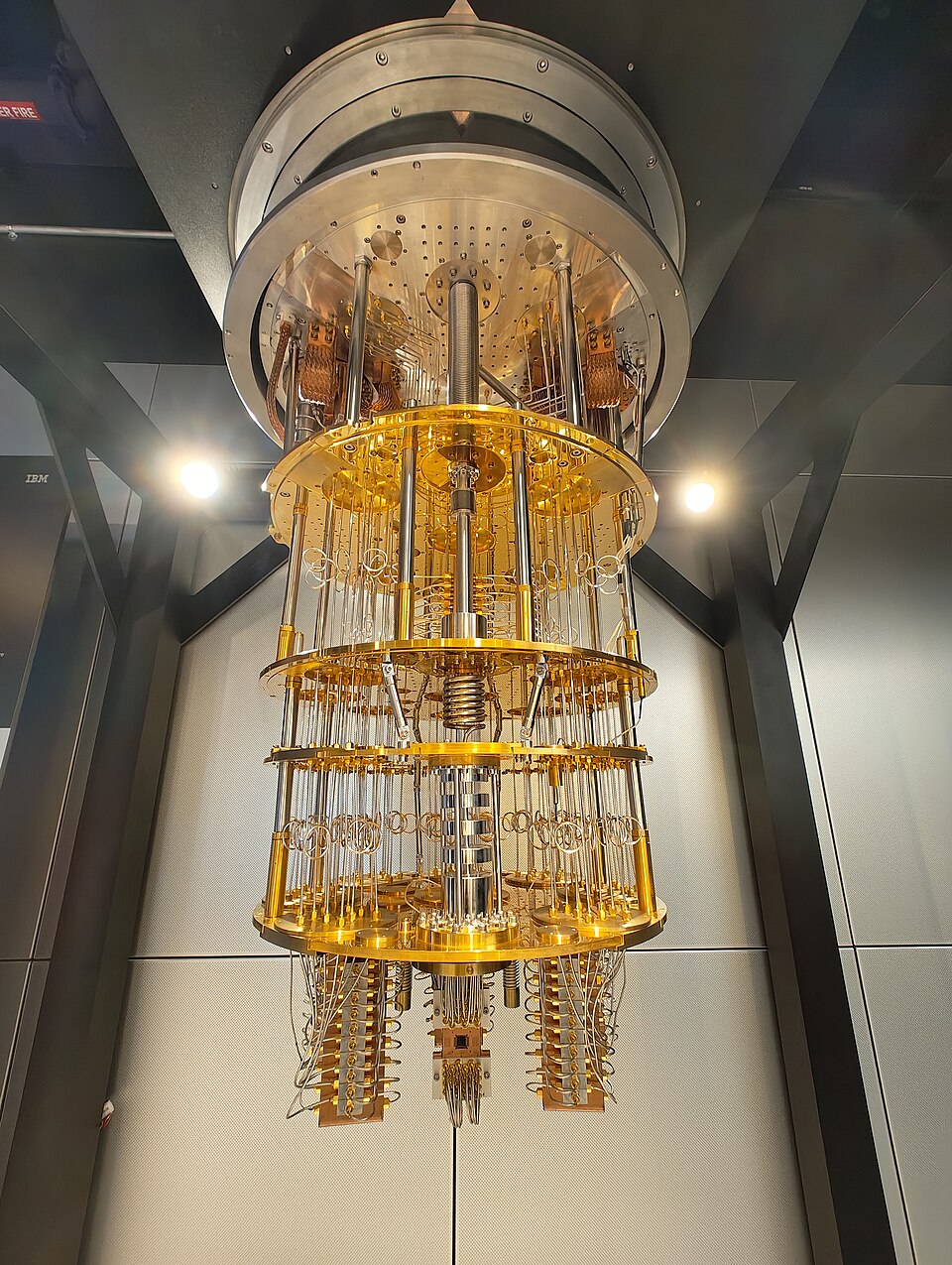
The centerpiece of the deal is quantum computing. HRL has been a significant contributor to the field, building superconducting qubit systems and publishing research on error correction, the technical hurdle that stands between today’s noisy quantum machines and computers that can outperform classical systems at useful tasks. IBM said the acquisition will accelerate its quantum roadmap, which is anchored by a machine called Starling, a system the company has said will complete 100 million operations by 2029, a target that would represent a step change in the size and reliability of quantum computation.
IBM’s quantum program is already the most prominent in the industry. The company has deployed hundreds of quantum systems around the world, sold access to them as a cloud service, and built a pipeline of customers in banking, pharmaceuticals, and logistics testing quantum algorithms. But the technology has not yet reached the point where it produces commercial results that classical computers cannot, and the gap between IBM’s marketing and its machines’ actual capabilities has drawn criticism from skeptics.
The HRL acquisition gives IBM something its competitors do not have: a deep bench of researchers who have spent decades on the physical sciences behind computing. Quantum computers depend on materials science, cryogenics, and fabrication techniques that are closer to chip manufacturing than to software engineering. HRL’s expertise in those areas, including its work on compound semiconductors and novel materials, is the kind of capability that is hard to hire and impossible to buy off the shelf.
For Boeing and General Motors, the sale ends a partnership that had outlived its purpose. The two companies established HRL as a shared research lab in the postwar aerospace boom, but the demands of their core businesses have diverged sharply since. Boeing has been consumed by its commercial aviation and defense troubles, and General Motors has focused on electric vehicles and software. Both decided that a research lab whose work was drifting toward quantum computing was no longer central to their plans.
The broader context is a quantum arms race that has moved from papers to balance sheets. Governments have committed tens of billions of dollars to quantum research, citing national-security implications for encryption and materials discovery. Tech companies have responded by building or buying research capability at an accelerating pace. Google has its own quantum group with a recent breakthrough in error correction. Microsoft has pursued a topological approach. China has invested heavily in the field. IBM’s acquisition of HRL is part of that pattern, a reminder that the competition is no longer just about published results but about who controls the underlying science.
IBM said HRL will operate with a degree of independence, keeping its name and its Malibu campus, and that its researchers will collaborate with IBM’s quantum teams in Yorktown Heights, New York, and elsewhere. The company also said it will honor HRL’s existing contracts, which include work for the U.S. government and the aerospace industry, a detail that matters because HRL’s federal work is a significant part of its business.
Analysts said the acquisition makes strategic sense but will take years to pay off. “Quantum is a decade-long bet, and IBM is buying decades of accumulated expertise at a price that is probably small relative to what it would cost to replicate,” one analyst said. The immediate financial impact is negligible for a company IBM’s size, and the real test will be whether the combined research operation can hit the 2029 target for Starling.
The 2029 goal is ambitious. Reaching 100 million operations would require machines with hundreds or thousands of logical qubits, error rates low enough for sustained computation, and the software to make the whole system useful. No company has demonstrated anything close to that scale. IBM’s bet is that Starling, built with HRL’s help, will be the first.
The completion of the deal closes a chapter for HRL that began with Howard Hughes and ended with a technology company he could not have imagined. For IBM, it is a bet that the future of computing will be built on physics as much as software, and that owning the laboratories is the surest way to own the machines.