In Bastrop, a town east of Austin known for a SpaceX factory that stamps out rocket parts, the company is planning something new: a foundry to cast the blades and vanes that sit inside gas turbines. The Information reported the plan Aug. 29, and Elon Musk confirmed it, saying in-house production could bring new turbines online as much as 18 months sooner than waiting on existing suppliers.
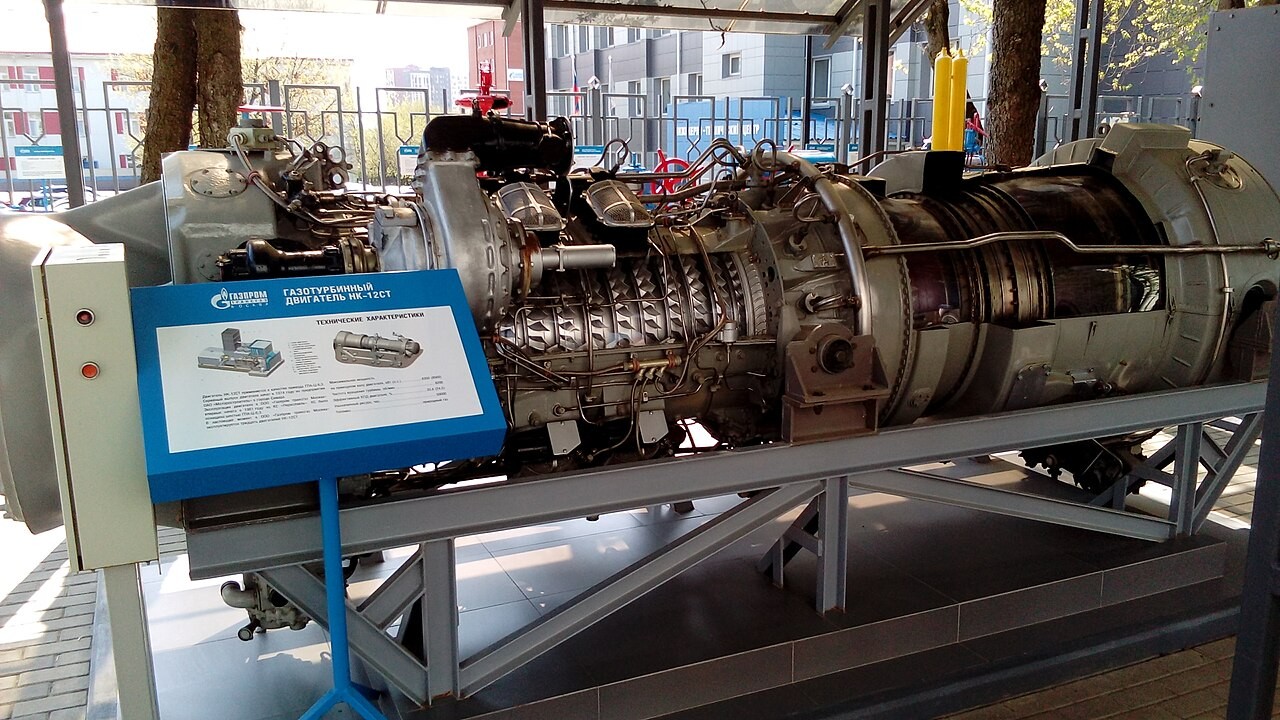
The components are the hardest part of the turbine supply chain. Blades and vanes operate inside the hottest section of a gas turbine, exposed to temperatures that approach the melting point of the metal they are made of. They require advanced casting, specialized alloys and cooling channels machined with precision, and only a handful of foundries worldwide can make them at the scale utilities need. It is the kind of bottleneck that has slowed power projects for years.
SpaceX’s plan is to remove that constraint. By casting its own blades, the company can control delivery schedules instead of waiting in line behind utilities and industrial customers. Musk said SpaceX and Tesla are each pushing power-generation capacity as fast as they can, and the foundry is part of a broader push to bring electricity infrastructure in-house.
The reason is a shortage of power. AI data centers are consuming electricity at a pace that has caught utilities and grid operators flat-footed. Projects that once waited months for equipment now wait years, and the queue for turbines, transformers and substations has become the industry’s slowest turn. A server is only as useful as the megawatts behind it, and the chip shortage that defined the first phase of the AI buildout has given way to a power shortage in the second.
Musk has said repeatedly that electricity is the constraint on AI growth, and his companies have moved to secure supply in ways that go beyond signing contracts. Tesla sells the batteries and software that smooth the load on strained grids, and its energy business has grown into a meaningful source of revenue. SpaceX, for its part, has been looking at how to power its own facilities and the data centers that orbit the industry. The foundry is the manufacturing end of that strategy.
Vertical integration of this kind is new territory for a rocket company. Foundries are slow, capital-intensive businesses, and turbine casting is as much a craft as a manufacturing process; even with a facility in place, SpaceX would need years to qualify its own blades for use in utility-scale machines. But the company has a record of taking on hard manufacturing problems and pushing them to a scale that surprised the industries they touched.
For the power industry, the move is a warning. If the biggest AI builders conclude that suppliers cannot deliver fast enough, they will build their own supply chains. Amazon, Microsoft and Google have already signed power purchase agreements and invested in nuclear, solar and storage projects to secure electricity for their data centers. The next step, visible in Musk’s plans, is owning the factories that make the machines themselves.
The turbine foundry is a small project in the scale of SpaceX’s ambitions, but it points in a specific direction. The AI buildout is no longer just a chip story or a data center story; it is an electricity story, and the companies that need the power are starting to make it themselves. When a rocket company decides it cannot wait for a turbine supplier, the message to the rest of the industry is clear: the shortage is real, and it is not going away soon.
The move also fits a pattern inside SpaceX of building rather than buying. The company manufactures its own rocket engines, its own satellite hardware and much of its own tooling, and it has repeatedly concluded that controlling production beats depending on suppliers. Turbine components are a natural extension of that philosophy, and the same engineering culture that designs engines for space is being pointed at the machines that keep the lights on.
The economics of the power business have shifted in ways that favor newcomers. Natural gas turbines, long the workhorse of the grid, are in demand again as data centers push electricity consumption to record levels, and manufacturers that spent years treating turbine production as a slow, steady business have been caught short. A company willing to invest in casting capacity now could find itself selling power equipment not just for its own use but to a market that is short of supply.
Whether SpaceX can match the quality standards of established turbine foundries is an open question. The blades that spin inside a gas turbine are tested to extremes, and a casting flaw that would be a nuisance in a rocket part can be a disaster in a power plant running around the clock. Musk has said the company is willing to take the time to do it properly, and the 18-month figure he cited measures the benefit if the effort works. The risk, if it does not, is a foundry that produces parts no one will certify.