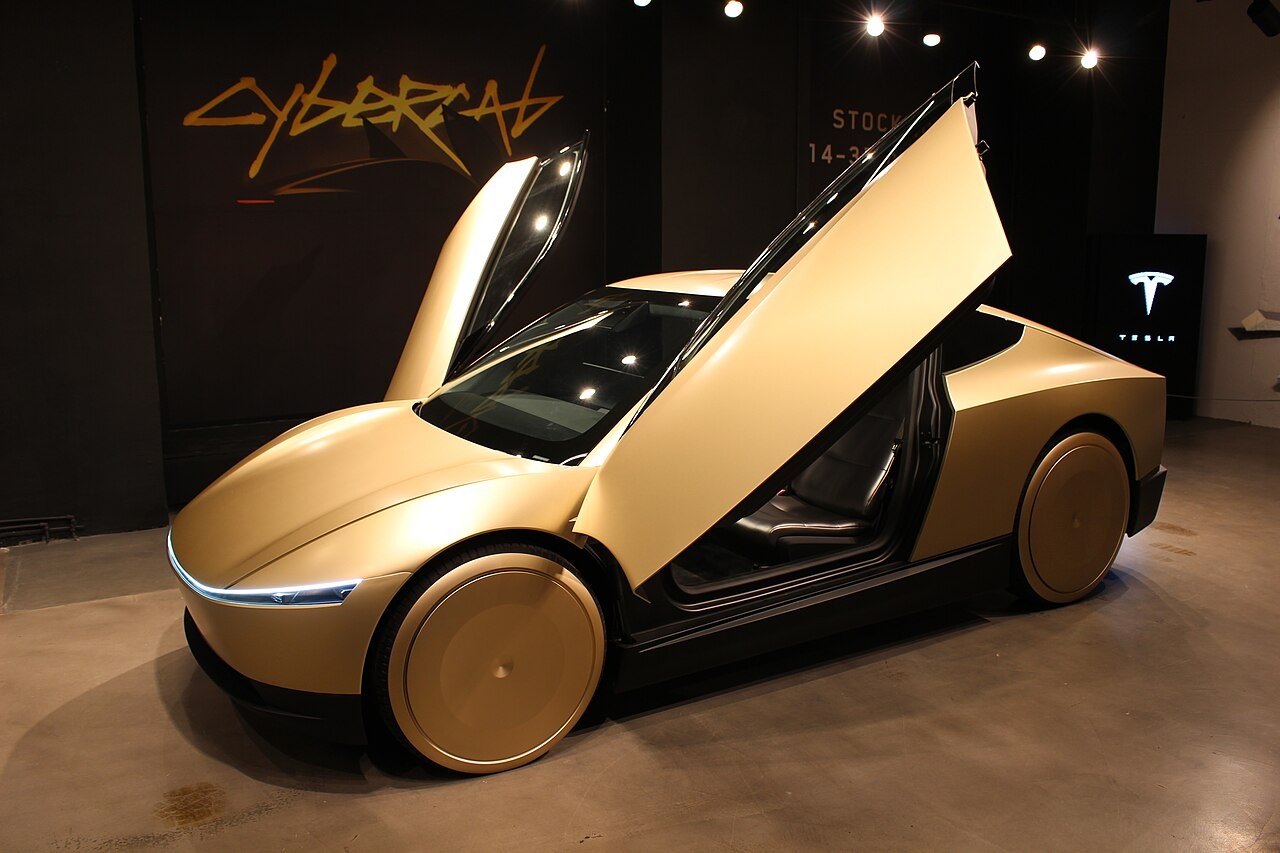
The cars have no steering wheels, no pedals, and a light bar across the nose that changes color to match a rider’s app. On Wednesday, Tesla plans to put them to work. The company confirmed that the Cybercab, its purpose-built robotaxi, will launch Sept. 3 in Austin, with employee test rides already underway since late August and rides for the public to follow.
The RGB light strip is a small detail with a practical job. When a rider summons a car through Tesla’s app, the vehicle’s front light bar displays a color tied to that booking, letting passengers pick out their ride in a crowded pickup zone. Tesla said it built alternative identification methods for riders who are visually impaired or colorblind, a concession to the accessibility questions that have shadowed robotaxi rollouts since the first driverless services hit the streets.
Austin was a deliberate choice. Texas has no state-level requirement that autonomous vehicles carry a human safety operator, and the city has become a testing ground for driverless services, with Alphabet’s Waymo running operations there and local officials openly courting the industry. Tesla’s chief executive, Elon Musk, has said the company’s approach depends on cameras and neural networks rather than the lidar that rivals favor, a bet that has divided experts and is now moving into commercial service.
The launch has been a long time coming. Musk first unveiled the Cybercab in October 2024, promising a vehicle with no steering wheel and a production price target well under $30,000. The timeline slipped repeatedly, and the Austin deployment is the first time a Cybercab will carry paying passengers. Employees have been testing the cars for weeks, and the public rollout will start gradually, with Tesla expanding service area and fleet size as the system proves itself.
The stakes for Tesla go beyond the robotaxi unit itself. The company’s core car business is under pressure: Model 3 and Model Y sales have softened as competition has intensified in every major market, and Tesla has cut prices across its lineup to defend share. Musk has framed robotaxis as the second growth curve that justifies the company’s valuation, arguing that a fleet of driverless cars can eventually generate revenue around the clock, not just when owners are behind the wheel.
The economics will be tested in public. Robotaxi services are expensive to run, with vehicles, maintenance, remote assistance and insurance eating into every fare, and no operator has yet shown it can clear a profit at scale. Waymo has expanded into multiple cities but continues to burn cash while it builds its fleet. Tesla’s potential advantage, if its cost claims hold, is a vehicle designed for the purpose and a manufacturing base that can produce it in volume, which would put its cost per mile below what retrofit-based rivals can reach.
Expansion depends on regulators and costs. Tesla will need approvals in each new state and city, and its camera-only approach will face fresh scrutiny from safety investigators who have already opened questions about its driver-assist systems. The company has argued that its data advantage, drawn from millions of cars on the road, lets its software improve faster than competitors’, but that data has also been the subject of regulatory attention over how it is collected and used.
For now, Austin gets the first fleet. Tesla said it will expand to other cities as permits are granted, and analysts will be watching the early weeks for one number above all: rides per vehicle per day. If the cars run reliably and riders come back, the robotaxi story gains its first real evidence. If they stall, the second growth curve stays a promise.
The launch also lands at a moment when the robotaxi industry is consolidating. Waymo has pulled ahead on experience, other players have folded or merged, and regulators in several states have tightened rules after high-profile incidents. Tesla’s entry adds a manufacturer with the scale to shift the economics of the business, and the next few months in Austin will show whether its approach can compete with the years of operational data its rivals have accumulated.
How quickly the fleet grows will be watched as closely as how well it drives. Tesla has said the Cybercab is designed for a cost per mile below what retrofit-based rivals can reach, but cost claims only matter if the cars stay on the road. Every hour a vehicle spends idle is an hour of revenue lost, and utilization, not technology, is what will separate a profitable service from a demonstration project.
Tesla has not said how many Cybercabs will be on Austin streets by the end of the year, and the company tends to release operating numbers in quarterly reports rather than launch announcements. What is known is that the fleet will start small, and that every week of clean operation will make the next city’s approval easier. The robotaxi business has been promised for years; starting Wednesday, it will have to answer to the streets of Austin.