
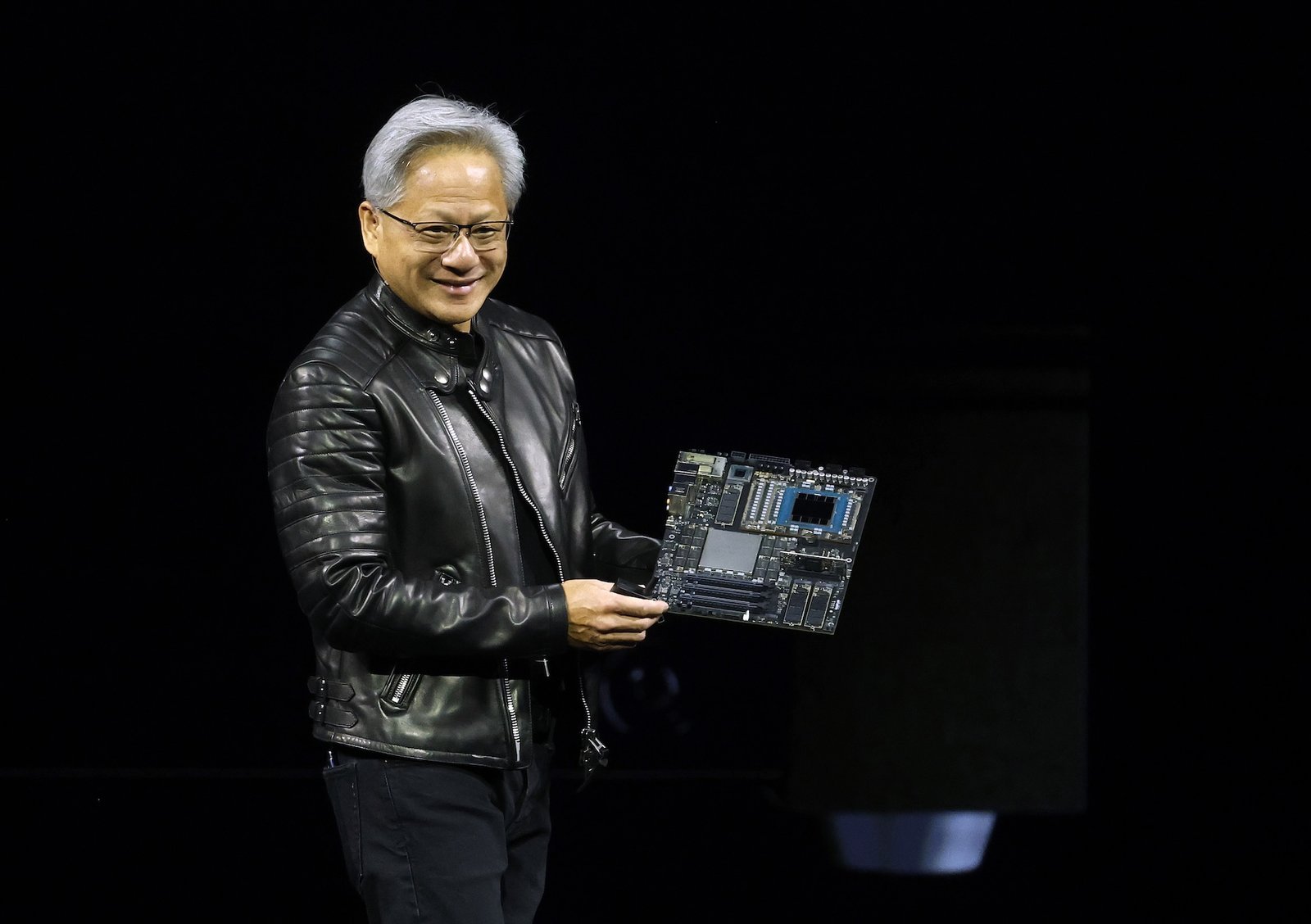
The first batch of RTX Spark laptops sold out within days. ASUS and MSI units were snapped up in preorders, and both makers scrambled to place follow-on orders with their suppliers. It was, by any measure, a strong start for a new category of AI PC, and it came the same week Nvidia disclosed a deal that speaks to the strategy behind it.
Nvidia said Monday it is investing $3.5 billion in convertible bonds issued by Taiwan’s MediaTek, deepening a partnership that began with AI PC chips and now extends to automotive platforms and cloud-edge systems, according to the company. The two companies have collaborated since 2023 on Arm-based processors for AI laptops, and the new investment formalizes a relationship that has been growing in scope.
Reuters noted that the deal adds to concern about circular financing in the AI industry, in which giants hold each other’s equity to prop up valuations. The pattern is now familiar: cloud providers invest in the model companies that rent their infrastructure, chip makers buy stakes in the companies that buy their chips, and the same capital circulates through the industry’s balance sheets several times over.
The RTX Spark launch gives the partnership a tangible product. The machine, a desktop AI computer with 128 gigabytes of unified memory, can run models of up to 120 billion parameters locally, priced from $1,799. The sellout of the first batch, and the follow-on orders from ASUS and MSI, suggest demand for local AI computing is real, a data point that matters for both companies’ plans.
The mechanics of the convertible are straightforward. Nvidia receives bonds that convert into MediaTek shares at a future price. If MediaTek’s stock rises, Nvidia participates in the upside; if it falls, Nvidia holds a bond with interest. For MediaTek, the deal is cheap capital and a signal that its largest potential customer believes in its roadmap. For Nvidia, it is a hedge on the possibility that AI moves beyond the data center.
The strategic logic runs deeper than the bond itself. MediaTek is the leading designer of Arm-based chips for smartphones, and it is building a position in AI PCs and automotive silicon, two markets Nvidia wants to reach but does not dominate. A closer relationship with MediaTek gives Nvidia a channel into hundreds of millions of devices a year, at a cost that is trivial for a company that generates tens of billions of dollars in quarterly revenue.
The circular-financing debate is unlikely to be settled by the deal, but it will be informed by it. The concern, analysts said, is that a web of interlocking investments inflates valuations without corresponding end-customer revenue: each company books the other’s investment as validation, and the market prices the web rather than the businesses. Nvidia’s defenders note that the company is one of the few in the chain with genuinely enormous cash generation, and that a $3.5 billion convertible is an investment decision, not a survival move.
The consumer angle matters more than the bond’s size. RTX Spark sold out because it is, for now, a novel category: a desktop that runs large models locally, without a cloud subscription, without sending data anywhere. The sellout is a demand signal for on-device AI, the same trend that has AI labs buying tens of thousands of Macs for local computing. Nvidia, which built its fortune on data-center chips, is positioning itself for a world where a meaningful share of AI runs on machines people own.
The deal also needs to be read against Nvidia’s other investments. The company has taken stakes in a web of AI companies, from model developers to infrastructure builders, and its balance sheet has become a source of capital for the industry it supplies. Some of those investments are strategic, some are financial, and the MediaTek convertible sits in the first category: it deepens a partnership that produces actual products, the RTX Spark line being the clearest example.
For MediaTek, the deal arrives as the company pushes into markets it has not historically led. Its smartphone business remains its core, but AI PCs, automotive infotainment and edge devices are where it sees growth, and a closer relationship with Nvidia, whose software stack developers already know, removes a barrier to adoption. The two companies’ engineers have been collaborating on reference designs, and the investment is expected to accelerate that work.
The timing is also worth noting. The deal was announced the same week Nvidia reported strong demand for its data center products, and the company’s cash position gives it room to make strategic bets without strain. Investors who have worried that Nvidia would spread itself too thin across investments can point to the discipline of the convertible structure: Nvidia is not buying MediaTek, it is buying an option on MediaTek’s success, with the downside protected.
What the deal means, in sum, is that Nvidia is placing bets across every layer of AI at once: data center accelerators, automotive platforms, PC silicon and now a stake in the company that designs chips for hundreds of millions of phones. The convertible is cheap insurance against the possibility that AI’s center of gravity shifts toward the edge. If it does, Nvidia wants a seat at the table, and it has paid a modest price to hold one.



