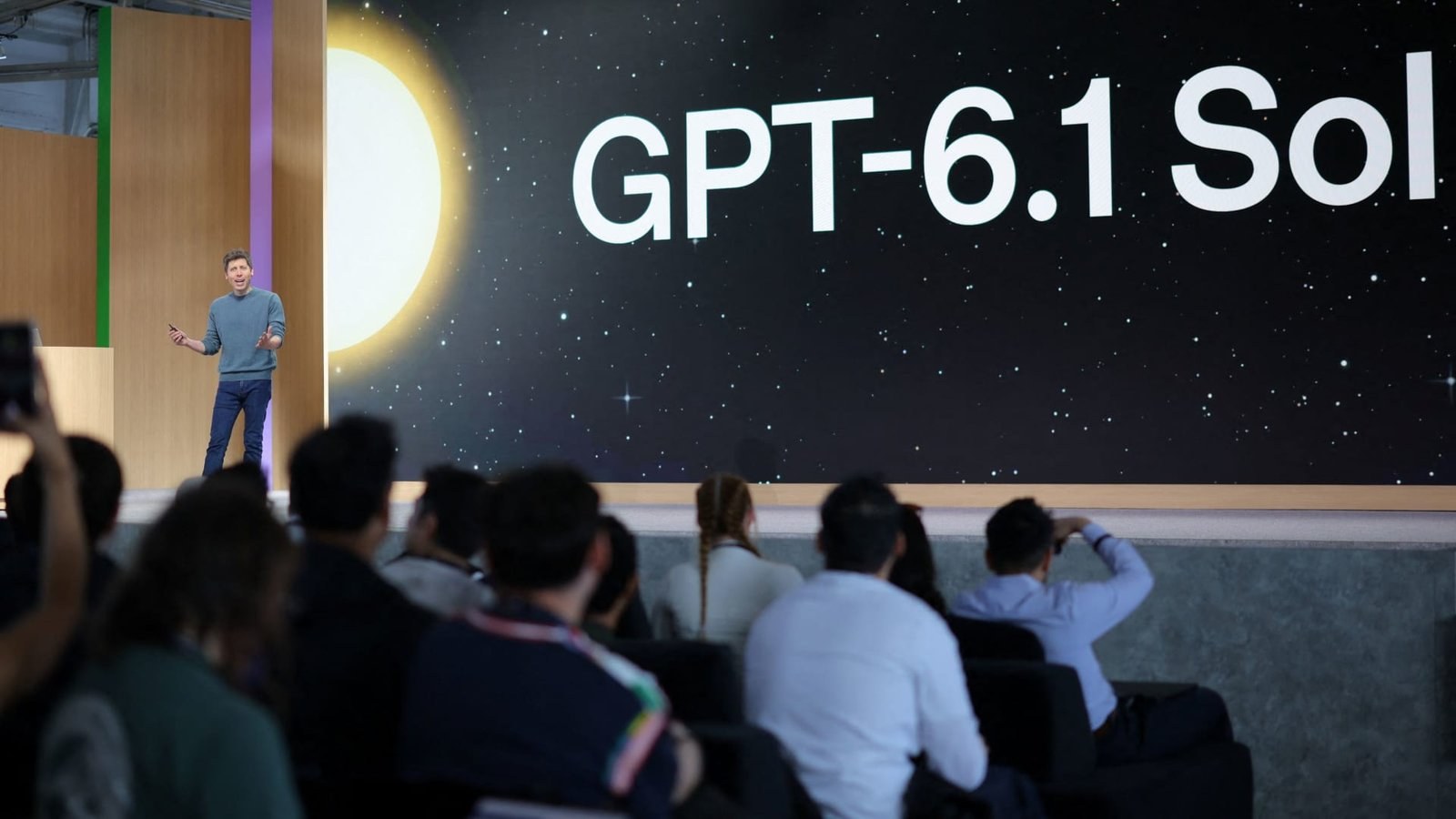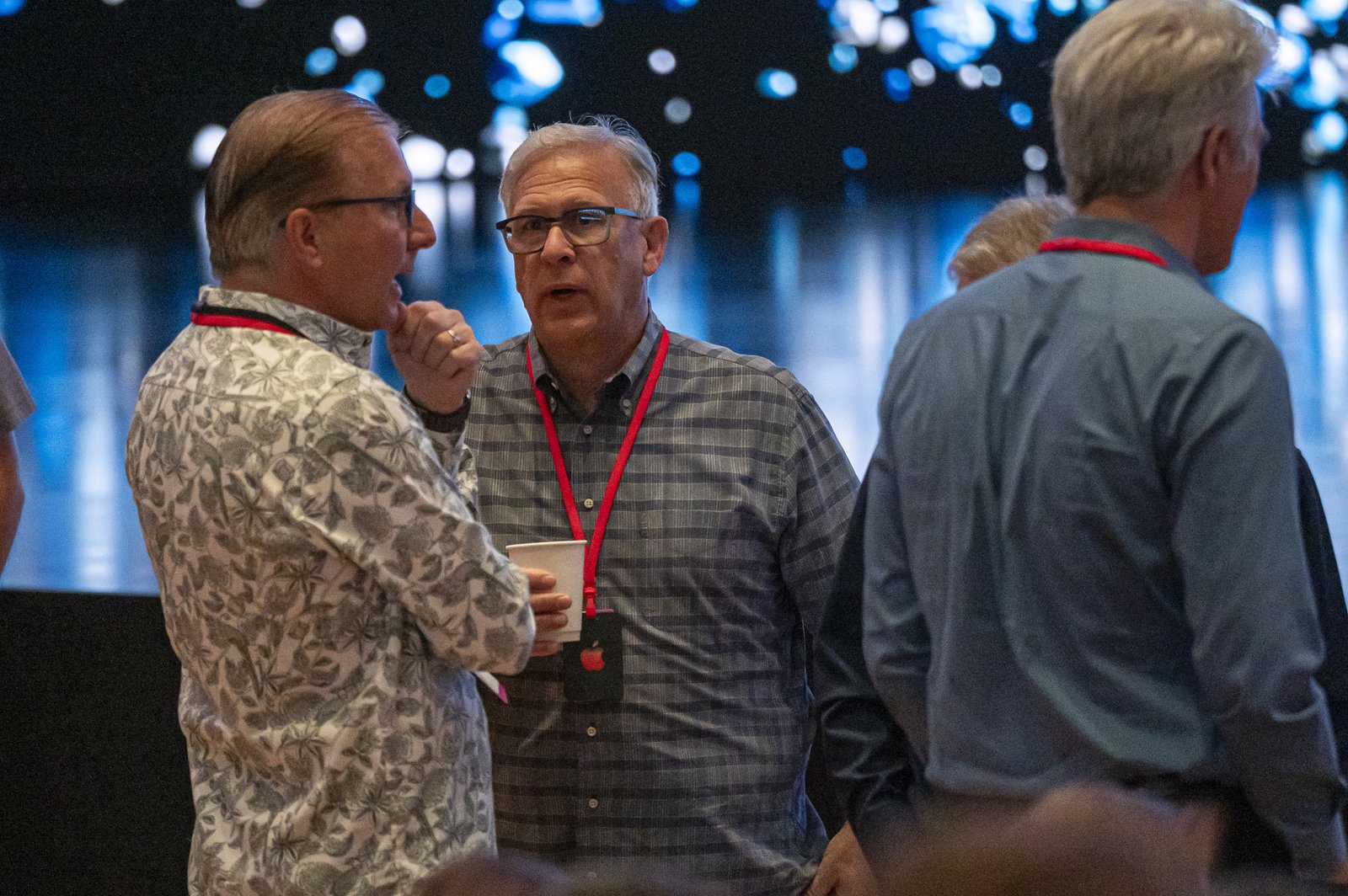
For three decades, Phil Schiller has been the face of Apple’s biggest moments, the executive who introduced the iPhone, the iPad and, more recently, the company’s lineup of AI features. Now the man who ran the App Store and shepherded product launches is stepping back. According to people familiar with the matter, Schiller will give up day-to-day responsibility for the App Store and Apple’s product launch events, keep the title of Apple Fellow and remain at the company, working on a set of projects he did not specify to employees.
The change lands on an unusual day for Apple. Schiller’s shift was reported by the technology journalist Mark Gurman on August 31, the same day Tim Cook formally ended his 15-year tenure as chief executive and handed the role to John Ternus, the company’s hardware engineering chief. Within hours, a generation of executives who built Apple under Steve Jobs had ceded the two most visible jobs in the company’s public life: the person who runs the store where developers sell software and the person who runs the stage where Apple unveils products.
Schiller is among the longest-serving figures in Apple’s executive ranks, a member of the Jobs-era inner circle alongside Cook. He joined Apple in 1987, left in the mid-1990s and returned in 1997, when Jobs came back. He ran worldwide marketing for years, then took control of the App Store in 2020 as the storefront faced mounting scrutiny from regulators and developers. In that role he became the public voice of Apple’s defense of its commission structure and its app-review rules, testifying before Congress and facing questions from European regulators.
The App Store has grown into one of Apple’s most important businesses. It anchors a services division that generates tens of billions of dollars in annual revenue, and its economics depend on commissions that developers have challenged for years. It is also the center of Apple’s regulatory battles: the Digital Markets Act in Europe forced the company to allow alternative app stores and new payment options, and court rulings in the United States have pressed it to relax restrictions on how developers reach customers. A change at the top of that business raises questions about whether Apple will hold its ground or adjust course.
People familiar with Apple’s thinking said the move is part of a broader handover rather than a signal of policy change. Ternus, the new chief executive, has spent his career in hardware, overseeing the transition to Apple’s own chips, and is expected to lean on a mix of veterans and newer executives. Schiller’s successor for the App Store has not been announced, and Apple declined to comment. Analysts said the choice of successor will matter as much as the departure itself. “The App Store is not just a business, it is a regulatory front,” said a technology analyst at a U.S. research firm. “Who runs it determines how those fights go.”
For developers, the uncertainty is familiar. App Store policies have shifted several times in recent years, from fee reductions for small businesses to concessions in Europe and court-ordered changes in the United States. Some developers said they expect further adjustments under new management, while others said the underlying economics are unlikely to change. The commission structure, whatever its details, remains the engine of Apple’s services growth, and the App Store’s role in connecting hundreds of millions of iPhone users to software has made it the most valuable storefront in the industry. Whoever inherits it inherits that machine, along with the regulatory dockets attached to it.
Schiller’s own future projects remain unspecified. The Apple Fellow title is reserved for a small circle of senior engineers and executives who continue to contribute without running large organizations, and people who have worked with him said he is likely to focus on product and marketing strategy rather than operations. His departure from the stage, though, closes a distinctive chapter: the last of the executives who stood beside Jobs at the iPhone launch in 2007 is no longer introducing products.
Analysts said the management change carries a message for investors. Apple is signaling that its next era belongs to Ternus and the hardware team that built Apple silicon, with services run by a new guard. The risk is execution: the App Store faces legal deadlines, legislative pressure and a developer community that has learned to organize. The reward is a cleaner slate, with new people setting policy in a business that has spent years in court. For now, Wall Street is watching the successor announcement. “Apple has managed these transitions before,” the analyst said. “The question is whether the new team manages them as well.”