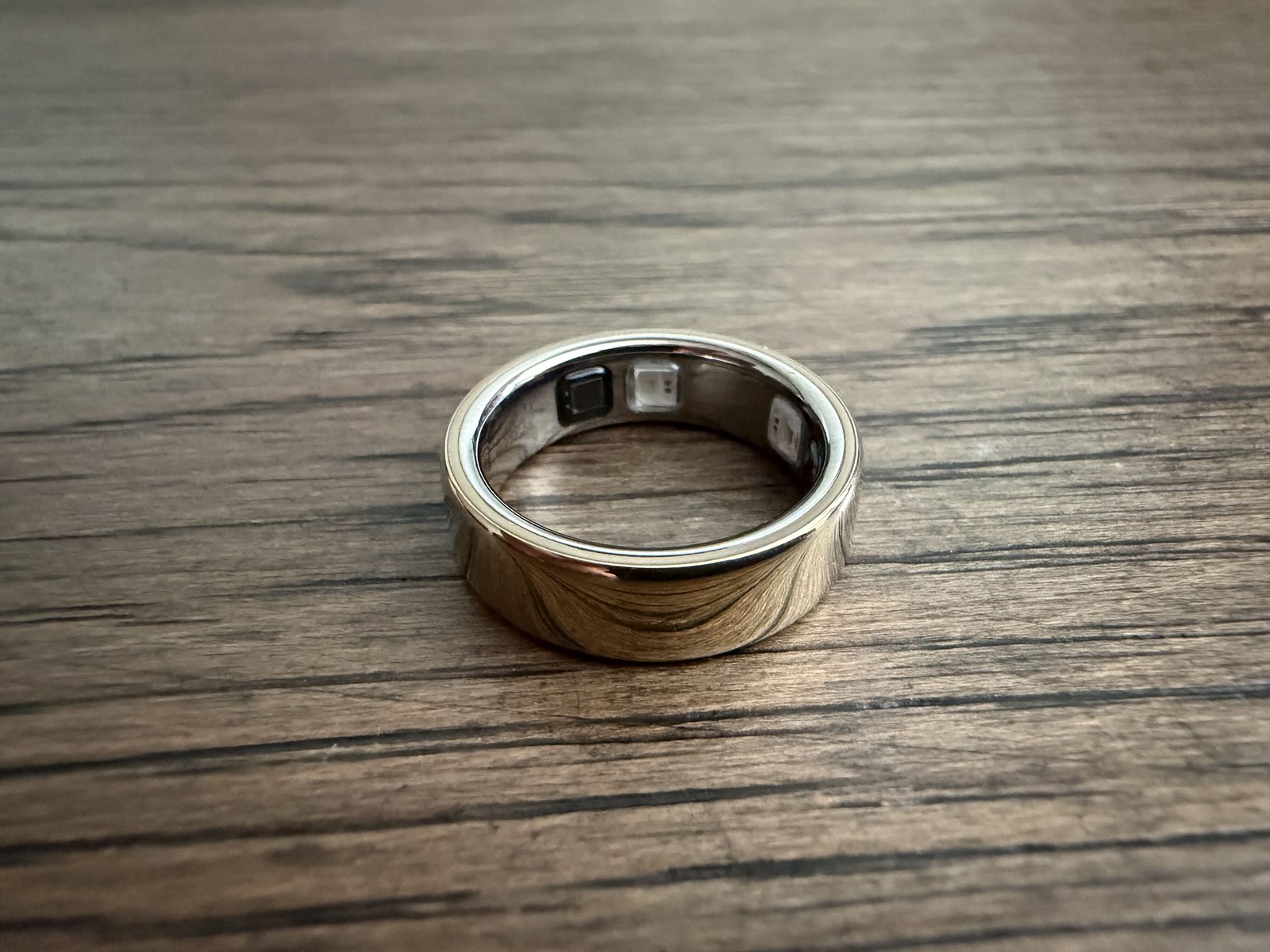
The next battlefield in wearable technology is not on the wrist. It is on the finger, and the company that made the finger’s most famous device is heading to the public markets. Oura, the Finnish maker of the smart ring, has filed paperwork for an initial public offering, according to TechCrunch, and market speculation has valued the company at more than $16 billion for a listing this month. If that valuation holds, the offering would be among the largest in consumer hardware in years.
Oura’s product is deceptively simple to describe: a ring that tracks sleep, heart rate, temperature and activity, worn day and night, that tells its owner how rested they are and how hard they can push. The company has spent more than a decade refining that formula, building a following among athletes, executives and the health-obsessed, and it has expanded from its original sleep-tracking focus into broader health monitoring that doctors and researchers increasingly take seriously.
The filing caps a remarkable run for a company that began as a crowdfunding project. Oura was founded in Finland in 2013, when wearable technology meant fitness bands on wrists, and it survived the collapse of several early wearable markets by focusing on a device people would wear constantly rather than a gadget they would charge and forget. The ring’s staying power turned out to be its advantage: a device with no screen, no distractions and a battery life measured in days became the wearable people actually kept wearing.
The valuation being discussed reflects the market’s enthusiasm for health data rather than Oura’s financial record alone. Smart rings command premium prices, and their owners replace them less often than they replace phones, but the category is still young and the total number of rings sold remains small compared with the installed base of smartwatches. The $16 billion figure, if realized, would price Oura as a company with a dominant position in a category investors believe is about to grow quickly.
The competitive context has changed dramatically in the past year. Oura once had the category to itself, but rivals have piled in, and the most prominent challenger, Ultrahuman, received a fresh vote of confidence the same week as Oura’s filing, when Qualcomm’s investment arm joined a $70 million round in the Indian company. The two firms have also fought in court: Oura’s patent dispute with Ultrahuman at one point kept the challenger out of the U.S. market, and the legal history has become part of the category’s folklore.
The patent fight illustrates how much is at stake in a market where the products look identical and the differences are invisible. Smart rings differ in their sensors, their algorithms and their ability to turn raw data into advice people trust, and companies have shown they will sue over those differences. Oura’s willingness to litigate protected its home market for a time, but the ring market has globalized, and the company will face the same competition in the public markets that it faces in stores.
An IPO would give Oura the capital to defend its position on multiple fronts: research into new health signals, expansion into medical applications, and the marketing war against cheaper rivals. The company has been building relationships with healthcare systems and research institutions, and public-market money would accelerate a shift from consumer gadget toward something closer to a medical device. That transition carries regulatory weight, but it also carries pricing power.
The timing of the filing is favorable in at least one respect. Consumer hardware companies have had a difficult few years in public markets, with valuations punished for the cyclicality of device sales, but Oura’s subscription model, which pairs the ring with a paid service for detailed analysis, gives it recurring revenue of a kind pure hardware makers lack. Investors have rewarded that model in software, and Oura will argue it deserves the same treatment as a company that happens to sell hardware as the entry point to a service.
The risks are the ones every wearable company faces. The category could prove to be a fad, with consumers abandoning rings as they abandoned earlier wearables, and competition could compress the prices that Oura’s valuation assumes will hold. The company’s answer is engagement data: ring owners wear the device for years, and the health insights it provides compound in value the longer they are worn. Whether that stickiness survives the arrival of cheaper rivals with bigger marketing budgets is the question the public markets will test.
For the broader industry, the Oura filing and the Ultrahuman financing, arriving in the same week, mark the moment the smart-ring market stopped being a niche and became a category worth fighting over. Wearable technology spent a decade trying to make the wrist essential; the next decade appears to belong to companies betting that the finger, with its constant contact and its unobtrusive presence, can carry the same ambition. Oura’s IPO will be the first real test of whether investors believe the finger is the future of the body.