On the same afternoon, three of the most widely used AI services in the world stopped working. ChatGPT, operated by OpenAI, Claude, operated by Anthropic, and Grok, operated by xAI, all began experiencing outages at nearly the same moment on Wednesday. Within hours, each company said the problem was resolved, and each posted a note on its status page declaring the incident closed.
The coincidence is the story. AI services go down individually often enough that a single outage is routine. Three competing services, run by three different companies, failing at once suggests a common cause, and the most likely candidates are the ones the industry least likes to discuss: shared infrastructure, shared suppliers, or a network event that several providers could not escape. None of the three companies said what went wrong, and none has offered a public explanation beyond the terse notices that the failures had been resolved.
For users, the outage was a glimpse of a dependence that has grown faster than anyone planned. ChatGPT, Claude and Grok are not toys; they are embedded in the daily work of programmers, analysts, students and enterprises that route customer support, code review and document drafting through them. A simultaneous failure means the people who rely on these tools lost their second brain all at once, and the workplaces that have built workflows around AI found themselves staring at screens with no model to query.
The companies themselves are keenly aware of the optics. Each operates its own status page, and the pages told the same story in the same hour: incidents opened, incidents resolved, no details offered. That silence is standard practice in the industry, where post-mortems are published for paying customers rather than the general public, but it leaves an obvious question hanging: if the outages shared a cause, what was it, and what stops it from happening again?
Analysts who watch the AI infrastructure market said the episode points to the concentration at the bottom of the stack. Frontier AI services depend on enormous clusters of accelerators, on cooling and power systems, and on the network fabric that connects them, and many of the largest providers buy their capacity from the same handful of data-center operators and cloud suppliers. A fault in shared plumbing, whether electrical, network or software, can take down systems that have nothing to do with one another commercially.
There is also a subtler dependency: the model providers themselves. As AI services have matured, some have begun routing pieces of their work through other AI providers, either for safety classification, for content moderation or for backup. If one of the three companies’ systems failed and that failure cascaded through shared dependencies into the others, the result would look exactly like what happened: three unrelated services dark at the same time, with none of them able to explain it immediately.
For enterprises, the episode shows why the careful ones build redundancy. Companies that route critical work through a single AI provider are exposed to that provider’s outages; companies that route through several are exposed to correlated failures like this one. The lesson of Wednesday is that diversification across providers is less protection than it appears when the providers share the same underlying infrastructure, and that true resilience requires designing workflows that can fall back to human effort when every model is down.
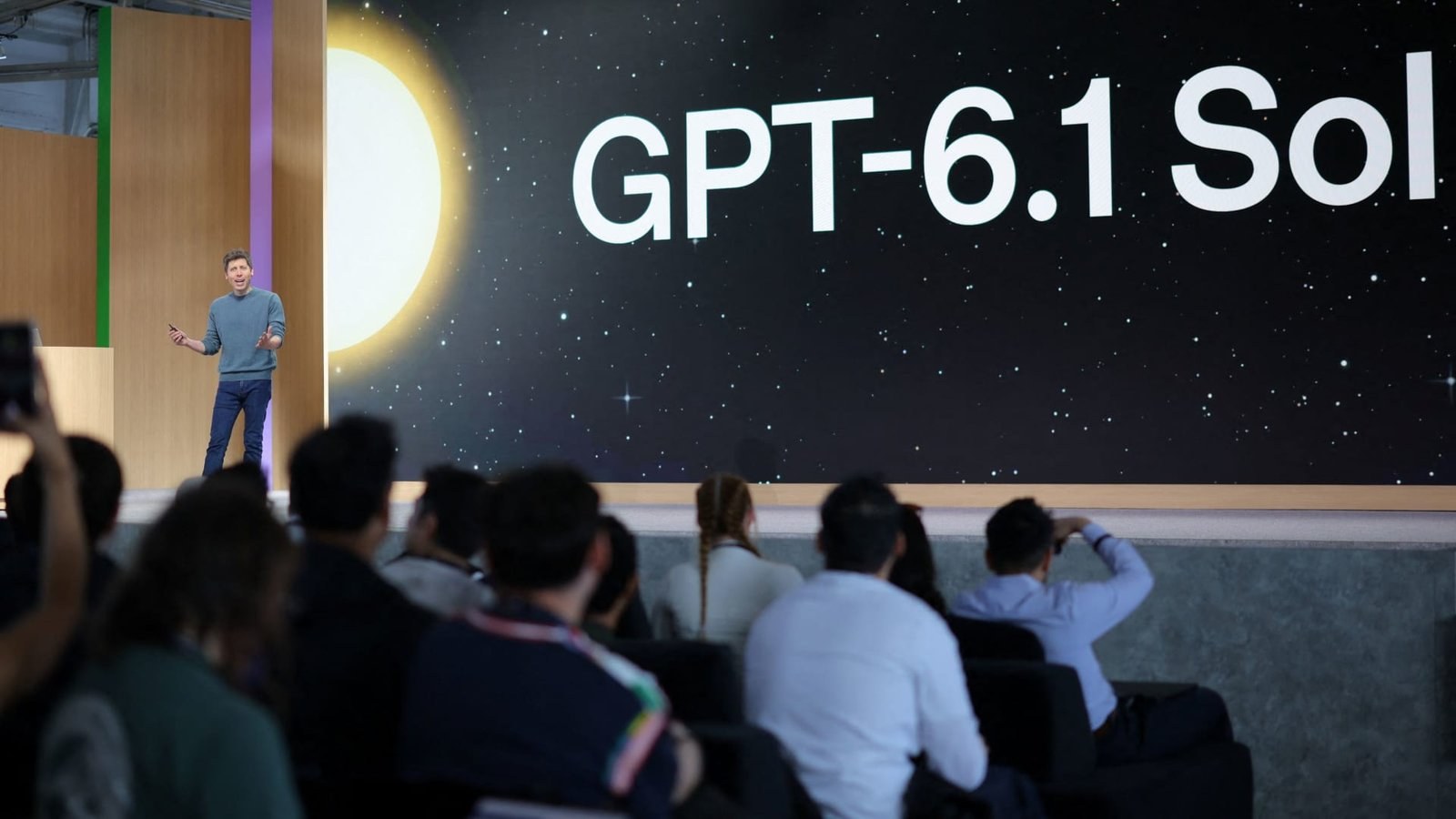
The timing added a layer of embarrassment for OpenAI in particular. The outage came on the day the company was presenting its newest flagship model, GPT-6 Astra, to the world, and while the two events were not necessarily connected, the sight of the industry’s best-known AI service faltering on its most visible day was not the backdrop the company would have chosen. OpenAI said only that the problem had been fixed, and its status page returned to green within hours.
The episode also feeds a debate that has been simmering in the industry about reliability expectations. AI services have been treated by their users with the tolerance people extend to free websites, but they are increasingly sold as business infrastructure with contractual guarantees. When three of the most prominent services fail together, customers who pay for enterprise tiers will want to know what the companies are doing about the shared dependencies that a single provider cannot fix alone.
For the moment, the practical answer is that the services are back, and the episode will fade into the background noise of a technology industry that has learned to live with outages. But the question of what took three competitors down at once deserves a better answer than the status pages provided. The next time it happens, the affected companies may not all be able to say the incident is resolved, and the users who depend on them may not be so quick to forgive a silence that explains nothing.