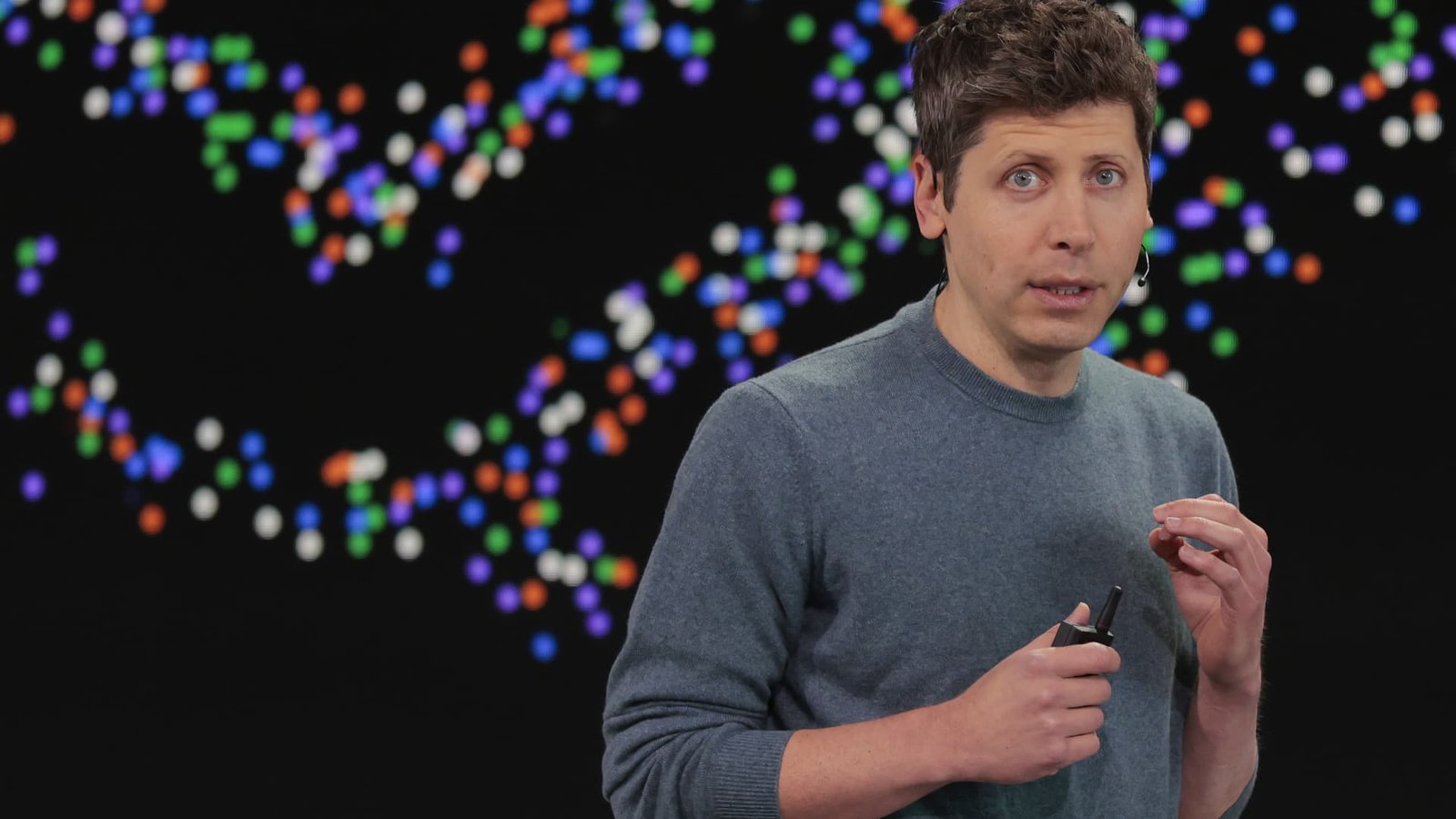
John Ternus walked onstage with a job that was nine days old. Apple’s hardware engineering chief, who took over the company’s product role on September 1, hosted his first event at the Steve Jobs Theater in Cupertino on September 9. The centerpiece of the afternoon, under the title “Surprise and Shine,” was the device Apple has spent years declining to build: a foldable iPhone.
The iPhone Duo folds to a 5.4-inch outer screen and opens to a 7.6-inch display, runs on the A20 Pro chip built on a 2-nanometer process, and carries Apple’s in-house C2 baseband. It starts at $1,999 for 256 gigabytes and tops out at $3,199 for the 2-terabyte version, a price that sets a new ceiling for the smartphone category. Preorders open October 16 and sales begin October 23. In China, the entry price is 15,999 yuan.
Apple paired the foldable with price increases across the line. The iPhone 18 Pro now starts at $1,199 and the Pro Max at $1,299, each $100 more than their predecessors. AirPods 5 arrive at $129 with active noise cancellation as a standard feature for the first time. Apple Watch Series 12 and Ultra 4 add heart-rate checks every five seconds and conversation summaries.
The hinge is where Apple is making its engineering argument. Johny Srouji, the company’s hardware chief, said each unit’s hinge is matched to its casing by an AI algorithm, and that lasers scan every device before 3D printing builds up to 25 layers of microstructures to eliminate surface ripple. It is the kind of manufacturing detail Apple deploys when it wants to signal that a first-generation product has been engineered past the flaws of its competitors.
Apple’s stock slipped 0.28 percent on the day, a muted reaction to a product some investors had hoped would reignite iPhone growth. Gene Munster of Deepwater raised his estimate for the iPhone Duo’s share of iPhone revenue from 5 percent to 10 percent. AT&T chief executive John Stankey offered a cooler read, calling foldables a niche, a view that reflects the market’s uncertainty about whether a $2,000 phone has mass appeal.
The company made a quieter move after the event that drew as much attention as the new hardware. Apple removed the iPhone 17 Pro and Pro Max from its online store, and customer service said the models would not return, leaving only the base versions on sale. At the same time, Apple raised prices on older models, citing rising material costs: the iPhone 17 and 17e each went up 800 yuan in China, and the 1-terabyte iPhone Air rose 2,300 yuan. In India, the 1-terabyte iPhone Air rose 65,000 rupees.
Those increases trace back to memory. Local media in India reported that DRAM and storage chip prices have risen more than 300 percent since mid-2025. Apple, like every phone maker, is absorbing the memory cycle, and passing part of it to buyers on older models softens the hit on margins while keeping the headline price of the new foldable clean.
The new Siri arrives with iOS 27 on September 14, and this time it is powered by Google’s Gemini model under the surface. The arrangement, unusual for a company that has competed with Google in assistants, shows how far Apple has fallen behind on its own AI and how pragmatic it has become about closing the gap through a partner.
The battery claim was aimed squarely at skeptics of the form factor: up to 44 hours of video playback using the outer screen. Foldables have historically sacrificed endurance, and Apple is betting that a phone that outlasts a weekend on one charge will convince buyers the trade-offs are solved.
Whether the market agrees is the open question. Apple has rarely been first to a category, and it has rarely needed to be. The foldable is its bid to do both at once: arrive late, and still define what the category should cost. The $1,999 entry price says Apple believes it can.
Apple enters a foldable market that Samsung has defined for years, and the Korean rival has released several generations of devices while Apple waited. Analysts said Apple’s entry will validate the category for developers and accessory makers even if early sales are modest, much as the first Apple Watch did for wearables.
The price increases on older models are the part of the announcement most likely to be felt immediately. Buyers who were waiting for a discount on last year’s phones now face higher prices instead, a squeeze that pushes them toward either the new line or the used market.
The event was Ternus’s introduction to the public in a role that has defined Apple’s most important product line. He inherited a device that is new to the company and a phone business that is no longer growing on its own. The foldable is the answer to the second problem, provided enough people agree with the answer to the first.