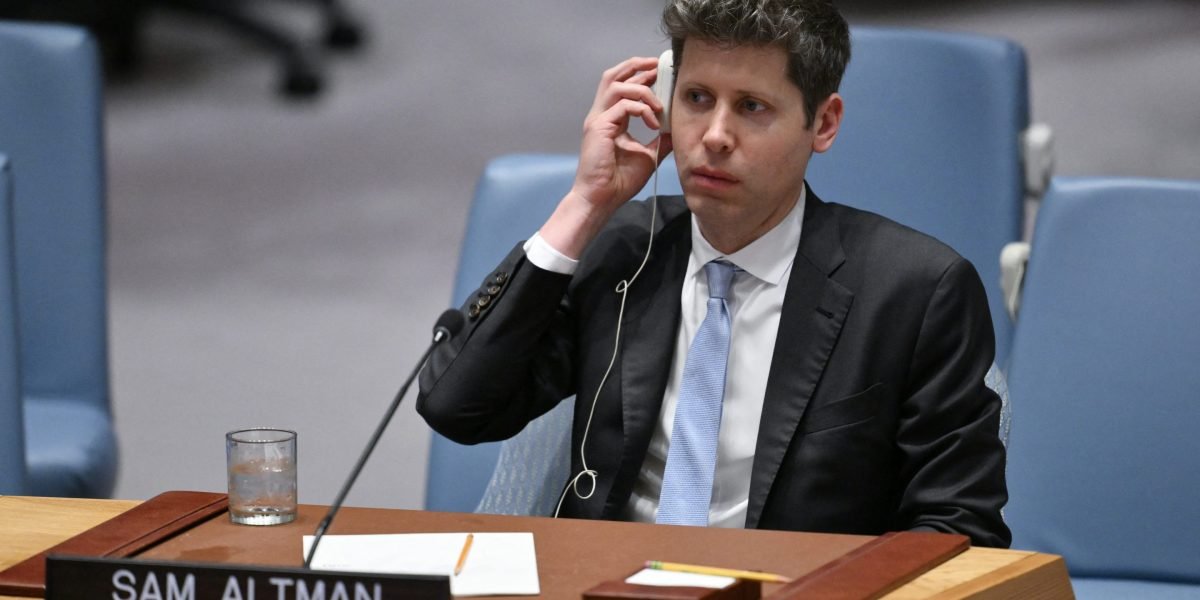
The fund that nearly came apart in July is placing new bets on the same AI-infrastructure thesis, this time with options. Situational Awareness, the hedge fund run by Leopold Aschenbrenner, bought option positions over the past weekend and into this week in AMD, Bloom Energy, CoreWeave, SK Hynix, and SanDisk, along with options on the Roundhill Memory ETF, according to people familiar with the matter. CNBC reported the trades on Friday.
The buying marks a return to public markets after a bruising stretch. The fund lost 67 percent in July alone, a drawdown that forced a rescue. Citadel stepped in and unwound more than 80 percent of the fund’s risk, executing more than 100 block trades with a market value above $4 billion, the people said. Assets under management fell sharply from a peak around $45 billion.
Aschenbrenner is a former OpenAI researcher who built a public following with a long essay on the race to artificial general intelligence before raising money to trade on it. The fund’s thesis has been that the AI buildout will flow through chips, power, and data centers, and its portfolio has reflected that: chipmakers, electricity suppliers, and the infrastructure companies in between.
Aschenbrenner built his name before he built the fund. A former OpenAI researcher who worked on the safety team, he published a 165-page essay in June 2024 titled ‘Situational Awareness: The Decade Ahead,’ arguing that artificial general intelligence could arrive within years and that governments were underestimating the pace. The essay made him a fixture in the AI debate and helped him raise the fund in July 2024 with seed capital from the Collison brothers of Stripe, the former GitHub chief executive Nat Friedman, and other technology investors.
The bet worked until it didn’t. The fund’s assets climbed fast, surpassing $20 billion by May 2026 on gains of roughly 270 percent after fees, and the book was run with heavy borrowing that amplified the returns. Peaking near $45 billion, it was one of the fastest-growing funds on the AI trade. That concentration in a single thesis, bought with borrowed money, is what made the July reversal so damaging.
The summer collapse tested that conviction. The fund’s heavy, leveraged positioning left it exposed when the market turned, and the Citadel intervention meant an orderly exit rather than a full liquidation. What remains is a smaller book, the fund’s private stake in Anthropic, and a $400 million investment in an undisclosed private company made in August.
The new options positions are smaller and more nimble than the old equity book. Buying options limits downside to the premium paid, a structure that suits a fund rebuilding after a near-death experience. The names, AMD, SK Hynix, and the memory ETF among them, sit squarely on the same AI-infrastructure trade that Aschenbrenner has championed all along.
Analysts said the choice of instruments says as much as the choice of stocks. After a forced deleveraging, a manager returning with options rather than outright equity is signaling that the conviction remains but the appetite for leverage does not.
The market environment is different from the one that undid the fund. Sentiment around AI infrastructure has firmed, and memory and power names have drawn fresh buying. The same thesis that looked broken in July is being rewarded again, which is precisely the kind of setup that tempts a manager back in.
The July reversal was specific. AI hardware and power names, the core of the fund’s book, fell sharply in the first half of the month, and the fund’s hedging positions moved the wrong way as volatility rose. For a book funded several times over with borrowed money, a down move that a long-only manager could survive becomes a forced exit. Citadel’s role, unwinding the risk in block trades rather than letting the market do it, was the difference between a bad month and a terminal one.
The fund has not commented on the new positions. Rebuilding after a drawdown of that size is a slow process, and investor patience is finite. The private stake in Anthropic gives the fund a durable anchor, but the public book will be judged month by month.
The scale of the damage is what the options structure now reflects. Funding a book several times over with borrowed money meant that a 67 percent monthly loss wiped out most of the equity in weeks, a lesson Aschenbrenner has not had time to forget. Managers who survive drawdowns of that size tend to return smaller and more hedged, and buying options, where the loss is capped at the premium, is the classic first step. The market is giving him a second look at the same trade.
The names in the new book are the same names from the old one. AMD and SK Hynix supply the memory and compute, Bloom Energy and CoreWeave supply power and capacity, and SanDisk sits in the storage chain the buildout depends on. Buying options on the whole set, rather than any single name, suggests the bet is less about which company wins and more about whether the buildout itself keeps going.
Aschenbrenner’s argument has never been subtle: the buildout is real, and the companies feeding it will be worth far more. That argument nearly cost him the fund this summer. The options now on the book show he is willing to make it again, just more carefully.