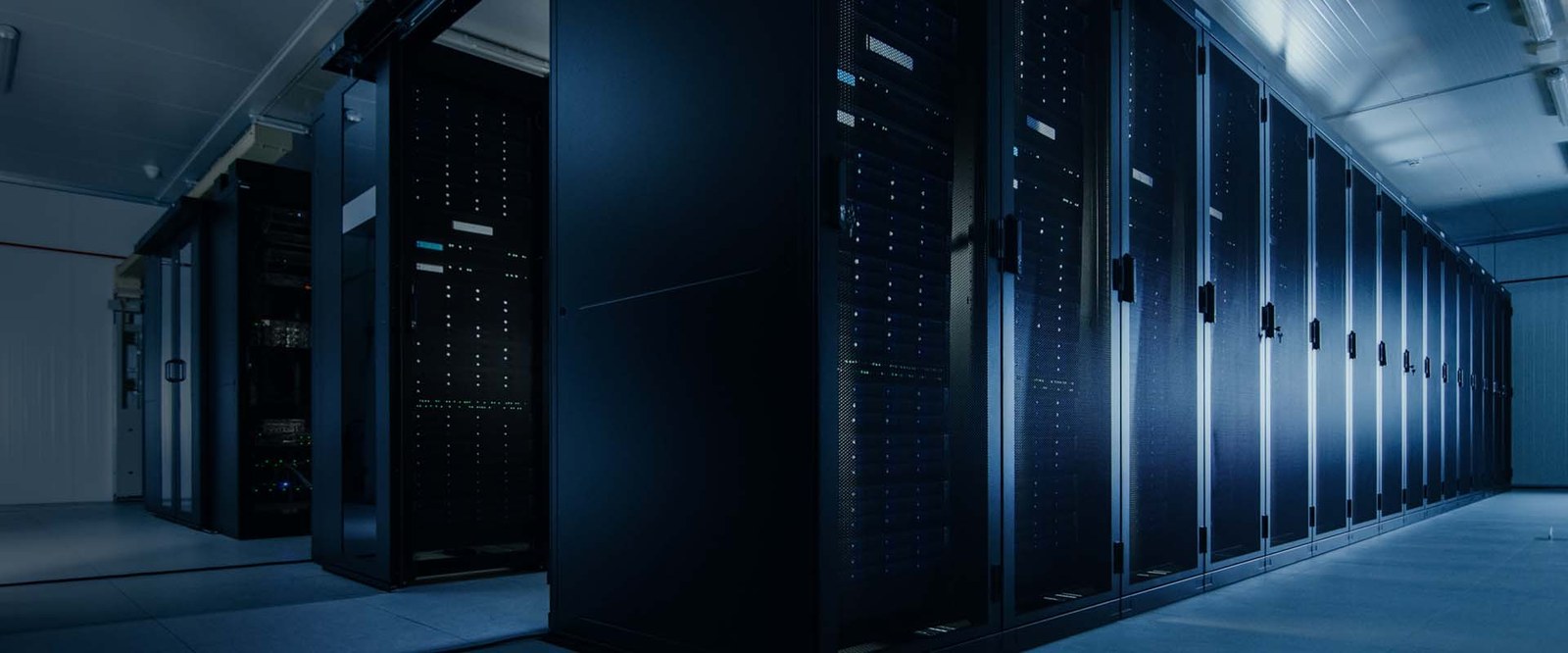
The bottleneck in an AI data center is not the chip doing the thinking. It is the network that feeds it. On September 15, Reuters reported that Delos Data, a company founded by longtime Intel engineers, had raised $100 million to build chips and software that move data faster inside those data centers.
The investor backing the round is Playground Global, and the endorsement came from a name the industry knows well. Pat Gelsinger, a partner at Playground and the former chief executive of Intel, said chips waiting for data is one of the biggest wastes of money and energy in an AI data center.
Gelsinger would know. He spent years running the company whose chips were the default choice for the server era, and his argument now is that the compute problem has been largely solved. The data-movement problem has not, and it is getting worse as the clusters get bigger.
The company is aimed at rack-scale interconnect. As a single AI cluster grows from thousands to hundreds of thousands of chips, the links between them become the thing that determines how much of the expensive silicon actually works. An accelerator that is idle waiting for data is money and power spent for nothing.
Delos Data’s pitch is that the industry has been solving the wrong problem. The chips at the center of the cluster have been improving rapidly. The network around them, the fabric that shuttles data between accelerators, has lagged, and that lag now costs more than the compute itself in the largest deployments.
This is the same territory that Broadcom and Arista are fighting over, and the entry of a well-funded startup suggests the incumbents are not the whole market. The race is to become the nervous system of the AI data center, the layer that decides whether a trillion-parameter model runs fast or stalls.
Analysts said the timing is good. The largest AI companies are moving from buying chips to designing entire data centers, and in that shift, the interconnect becomes a strategic purchase rather than a commodity. Whoever controls the fabric controls the throughput.
The energy angle matters too. Data centers are running into power limits, and moving data costs energy. A chip that moves data with less power is a direct saving on the single most constrained resource in the industry, and that is a pitch that lands with operators facing real electricity bills.
Delos Data is one of several startups betting that the post-GPU world will be won at the infrastructure layer. The company has not disclosed customers, but the size of the round and Gelsinger’s involvement suggest it is targeting the largest deployments, not the edge cases.
The founders’ Intel pedigree is part of the story. They come from a company that built the plumbing of the server era and then watched the cloud and AI eras shift the value to other layers. Delos Data is their bet that the plumbing matters again, this time inside the AI data center.
What is not yet clear is whether a startup can displace the established networking players. Broadcom and Arista have deep relationships with the hyperscalers and proven silicon. Delos Data will have to prove its chips can slot into architectures that are already being locked down.
Gelsinger’s involvement carries particular weight because of where he sits now. After leaving Intel, he joined Playground Global as a general partner, and his focus on infrastructure has put him at the center of the argument that the next bottleneck in AI is not compute but everything around it. A bet on data movement is a bet from that argument.
The interconnect market is in the middle of its own transition. The Ethernet and InfiniBand standards that carried the cloud era are being stretched by AI workloads, and a new generation of fabrics is emerging to handle the scale. Delos Data is entering a race where the technical standard has not yet been decided, and that openness is the opportunity.
The energy math is unforgiving. Moving data across a rack costs power, and in a data center already running against its electricity limit, every wasted watt is a watt that cannot go to compute. A chip that moves data more efficiently is not a marginal improvement; it is a direct increase in how much of the expensive silicon actually earns its keep.
The $100 million is a serious sum for a company with no public customers, and it signals the size of the prize. Building and validating data-center silicon is expensive, and the round buys the runway to prove the architecture before the incumbents lock up the market.
The money buys time. $100 million funds the design, tape-out, and early deployments that will determine whether the company’s bet on the fabric is right. The answer will come from the data centers themselves, where the difference between a chip that waits and a chip that works is measured in billions of dollars.