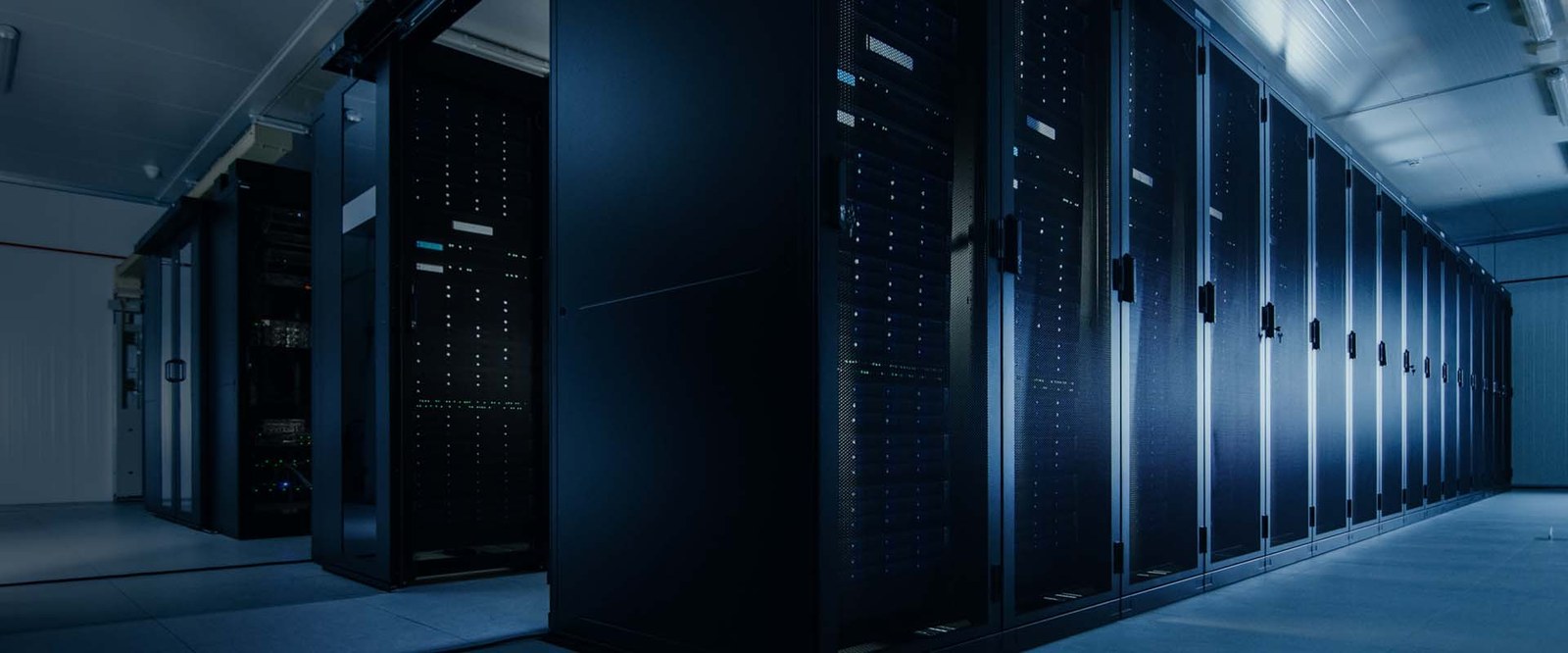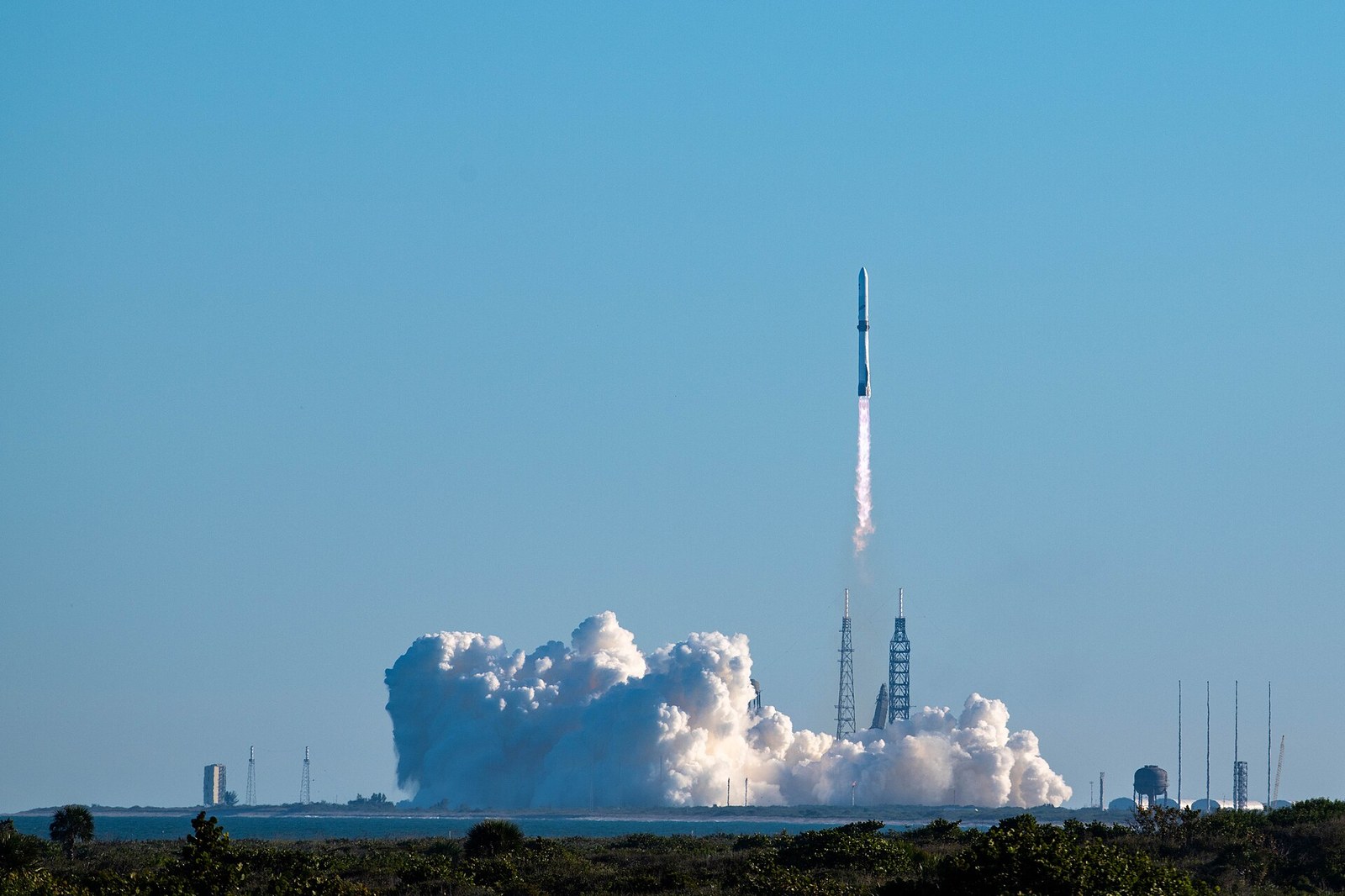
The town of Eagle Mountain sits on the western edge of the Wasatch Front, a place where houses have been climbing into the foothills for years. On September 14, Meta said it would add three more data halls to the campus it has already built there, along with an administrative building and a warehouse. The company paired the announcement with a list of payments to the neighbors, the kind of detail that used to stay in city council minutes and now leads a press release.
The expansion brings Meta’s total investment in Utah above $3 billion. The new buildings will run on closed-loop liquid cooling paired with dry coolers, a system the company describes as a way to cool servers without drawing heavily on the surrounding water supply. At the peak of construction, Meta said the project would employ more than 1,200 people. Once the halls are running, the company expects more than 300 permanent positions inside them.
The community package came itemized. Meta is giving $600,000 to the Lake Mountain school district for land, $1.5 million to an education foundation, and $450,000 to the Walden Park observatory. The city government had earlier approved raising Meta’s water allotment from 500 acre-feet to 625 acre-feet. Taken together, the numbers describe a transaction that has become standard for data center builders: compute capacity on one side, goodwill on the other.
The payments are small next to the capital at stake, and that is precisely why they matter. Data centers have become local political issues in the American West, where water and electricity are contested even before a server is plugged in. A facility that promises jobs and tax revenue can still lose the argument if residents believe it is taking more than it gives. Cash for schools and observatories is one way to keep the argument short.
The build is part of a much larger capital program. Meta has told investors it will spend aggressively on infrastructure to support its AI ambitions, and its data center footprint has grown across multiple states. Eagle Mountain is one node in that network, but it has become one of the more visible, in part because of how publicly the company has managed its local relationships.
Meta’s choice of Eagle Mountain reflects the geography of the modern cloud. The region offers cheap land, access to power, and a climate that makes cooling less punishing than in hotter states. Utah has courted the industry aggressively, and Meta is not the only tenant. The state has become a corridor for hyperscale builds, the same way northern Virginia did a generation ago.
Utah has welcomed the industry with policy as well as geography. The state’s utilities have expanded power delivery to accommodate hyperscale demand, and local governments have streamlined the approvals that once took years. In return, the state has become a proving ground for how data centers and their neighbors can coexist, a question the rest of the country is watching.
Liquid cooling is the technical story worth watching. As chips draw more power, air cooling reaches its limit, and the operators who moved early to closed-loop systems are betting that regulators and neighbors will reward the restraint. The dry coolers matter for the same reason. They cool the loop without the evaporative losses that have made data centers the target of water-policy fights elsewhere.
The water detail is the one residents notice. An acre-foot is roughly the amount of water a suburban household uses in a year, and the jump from 500 to 625 acre-feet is the kind of change that shows up at public hearings. Meta’s willingness to state the number suggests it has learned that silence reads as evasion in a region that has lived through drought.
Analysts said the announcement reads as much as a political statement as an engineering one. By naming its water allotment and its donations in the same release, Meta is signaling that it understands the terms on which these projects are now approved. The alternative is a public process that drags on for years, and no one building at this scale can afford that.
The broader context is the AI buildout. Meta has been among the most aggressive spenders on computing infrastructure, and its data center expansions are the physical expression of that spending. Every hall it announces is a bet that the demand for its models and services will keep growing. The company has said as much to investors, and Eagle Mountain is where the money lands.
For the town, the deal is a trade. More than a thousand construction jobs now, hundreds of permanent ones later, and a set of checks for the institutions that hold a community together. The questions that follow are the ones every western town now asks: whether the water lasts, whether the power holds, and whether the jobs are worth the water. Meta has given its answer in dollars. The city has given its answer in acre-feet.