A school board in Fort Bend County, Texas, voted on September 16 to advance Tesla’s application for a 10-billion-dollar solar cell factory, pushing the project past its first local approval. The vote was the kind of procedural step that rarely makes news, except that the project it clears is among the largest the company has proposed.
The factory would make the solar cells Tesla uses in its energy business, a segment the company has long argued deserves the same attention as its cars. The Fort Bend decision is one gate among many, and analysts cautioned that the project still faces county, state and utility approvals before any concrete is poured.
Tesla’s energy ambitions have grown quieter than its automotive ones but no less real. The company sells solar panels, roof tiles and large battery systems, and its energy storage products have become a meaningful share of its revenue. Building its own solar cell capacity would tighten a supply chain the company currently buys from others.
The timing of the announcement matters. Tesla’s car business has lost momentum in some markets, and the company has leaned on its energy and charging divisions for growth. A 10-billion-dollar factory is a long-term bet, but it signals that Tesla intends to keep expanding the energy side rather than treating it as an afterthought.
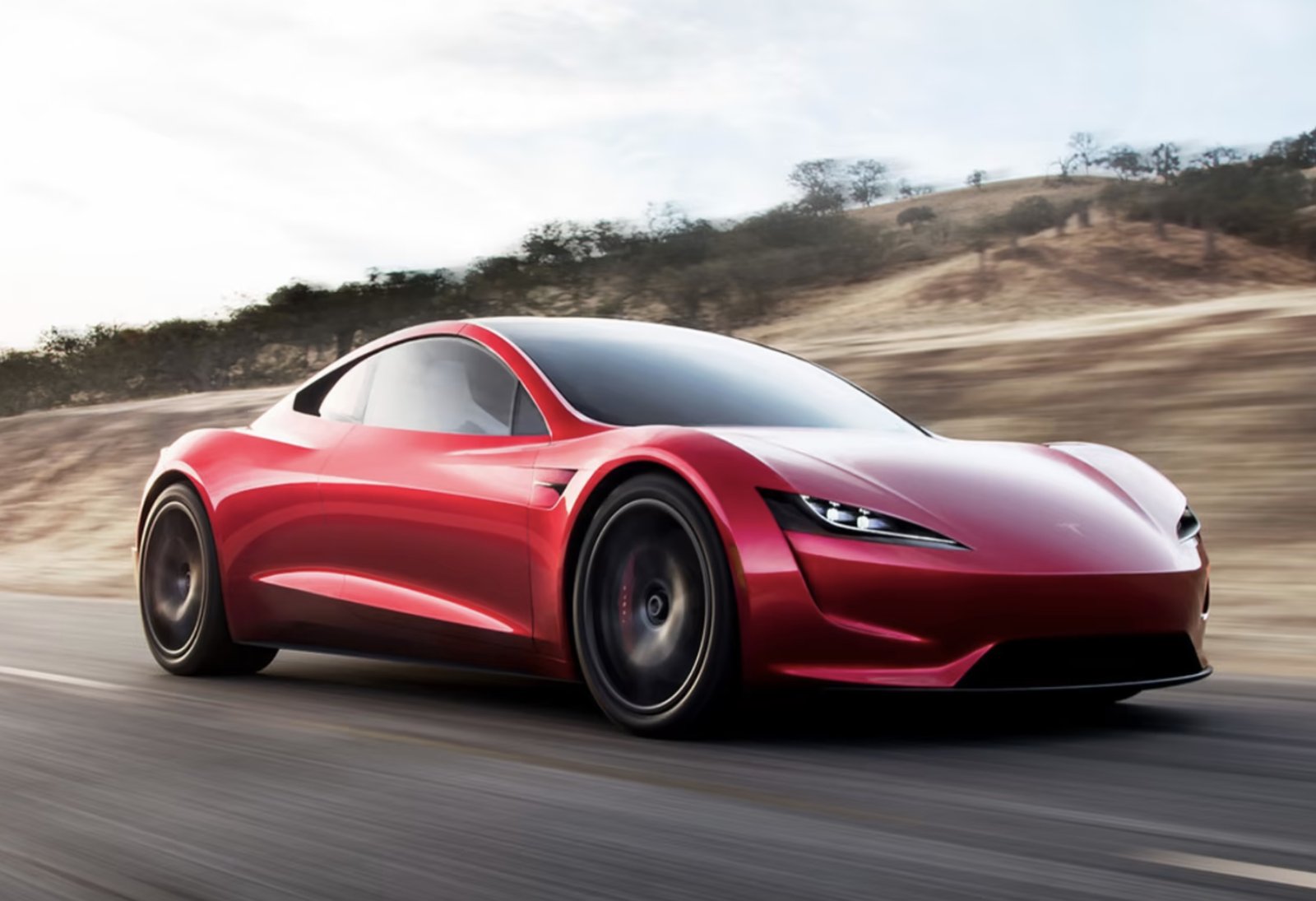
The same day brought news on the car side of the ledger. Reports said the Tesla Roadster, the long-delayed sports car, is set for an official launch on October 1. The Roadster has been promised and postponed for years, and each new date is met with skepticism from a customer base that has heard it before.
The Roadster has become a small test of Tesla’s credibility. The company announced the car with fanfare, took deposits, and then let the project slide as it focused on the Model 3, the Model Y and, later, the Cybertruck. Delivering the Roadster would close a loop that has been open for most of a decade.
Tesla is also advancing its autonomous Cybercab into the Australian market, according to the reports. The Cybercab, a purpose-built robotaxi, is central to the company’s argument that its future value lies in autonomy rather than in selling cars one at a time.
The three threads, the solar factory, the Roadster and the Cybercab, run through different parts of the company but share a common feature: each is a promise that has been made before. Tesla’s investors have learned to discount promises that carry no dates, and to watch closely when dates finally appear.
Analysts said the Fort Bend vote is real progress but early. School board approvals are often the easiest hurdle a large project faces, and the expensive questions, power, water, tax abatements, come later. The 10-billion-dollar figure, if it holds, would make the factory one of the largest single investments Tesla has committed to in Texas.
Texas has become the center of Tesla’s manufacturing footprint. The company moved its headquarters there and built a large factory near Austin, and it has courted the state’s business climate as it has expanded. A solar cell plant in Fort Bend County fits that pattern, though the site is far from the Austin hub.
For the company’s most devoted followers, the October 1 Roadster date is the headline. For the energy industry, it is the solar factory. The two audiences rarely overlap, and Tesla is one of the few companies that has to keep both satisfied with a single stock.
Tesla’s energy storage business has quietly become one of the company’s fastest-growing lines. Its Megapack batteries are sold to utilities and large commercial customers, and deployments have climbed as grid operators seek storage to pair with renewable power. A solar cell factory would extend that vertical integration to the panels themselves.
The Roadster has been the longest-running promise in Tesla’s catalog. The company announced the second-generation car in 2017 with claims about acceleration that made headlines, then pushed the launch back again and again as other projects consumed its attention. A confirmed October 1 date would be the first firm commitment in years.
Fort Bend County sits southwest of Houston, well outside the Austin area where Tesla has concentrated its Texas operations. The choice of site suggests the company is following the region’s abundant land and its access to the Gulf Coast’s industrial base rather than clustering near its existing factory.
Analysts said the three pieces of news will be read separately by different investors. The energy business is where Tesla’s steadiest growth has come from; the Roadster is a test of the brand’s credibility; and the Cybercab is a bet on the autonomy story the company has said will define its future.
The next step for the factory, according to people familiar with the process, is a fuller review by county authorities, where the project’s size and its demand on local utilities will be weighed. The Roadster, by contrast, now has a date, and the company will be measured against it in October.