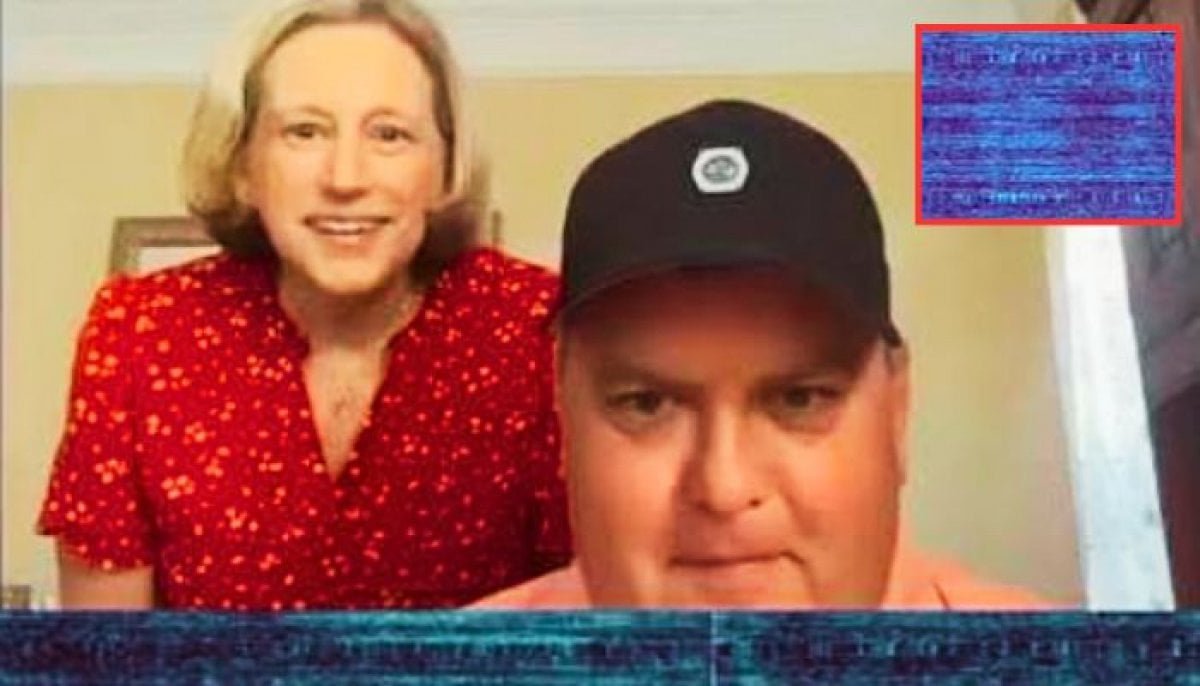
The demonstration was short, and Neuralink chose to announce it the way so much of the company’s news now travels: in a post on X. A volunteer named Terry, who has a language impairment, used a brain implant to convey the message “I love you” to his family through thought alone, the company said, the kind of sentence most people send without a second thought and Terry can no longer say.
Elon Musk, the company’s founder, called the demonstration “moving and unexpected.” The brevity of the message and the spareness of the announcement stood in contrast to the technical difficulty of what they described, which is the point Neuralink has been trying to make for years: that a device wired into the brain can restore, in some form, what disease or injury has taken away.
Neuralink’s implant, known as the N1, is a small array of electrodes threaded into the brain that reads the electrical activity of neurons and translates it into commands. In earlier demonstrations, the company’s first patients used the device to move a computer cursor and to play games with their thoughts. The step of generating speech, or the intention of speech, is a different and harder problem, because it requires decoding the precise signals that would have produced words.
The company has been moving through patients deliberately, expanding from the first human implant in early 2024 to a widening group of volunteers with paralysis and other conditions. Each patient adds data, and each demonstration is meant to show the system doing something it could not do before. The ability to send a loved one a message is a step forward in the company’s own telling, even if it is a single sentence in practice.
The science behind the feat has been developing across the field, not only at Neuralink. Academic researchers have spent more than a decade building brain-computer interfaces that let people with locked-in syndrome spell out words or speak through a synthetic voice, and those systems have produced some of the most affecting moments in neuroscience. Neuralink’s contribution has been to industrialize the approach, packaging the electrodes and the software into a product it hopes to sell at scale.
That ambition has carried the company through controversy. Neuralink’s animal testing drew criticism from regulators and animal-welfare groups, and its early human trials were delayed while it answered questions about safety. The company has defended its record and has argued that the pace of its work is justified by the severity of the conditions it aims to treat.
The volunteer demonstrations serve a strategic purpose as well as a scientific one. Neuralink is privately held, and its ability to raise money and attract patients depends on public evidence that the technology works. Each video of a person doing something through thought alone is an argument to investors and to the regulators who will decide whether the device can be sold commercially.
The speech work in particular carries symbolic weight. Language is the thing people most associate with identity, and losing the ability to speak is among the most isolating of disabilities. A device that returns even a fragment of that ability, one sentence at a time, makes a claim about what the technology is ultimately for that cursor movement never quite did.
Musk has said his long-term goal for Neuralink extends far beyond restoring function, into augmenting healthy people and, in his more expansive moments, merging human cognition with machines. Those ambitions invite skepticism, and they have at times overshadowed the clinical work. The Terry demonstration, by contrast, stayed close to the ground: a person, an implant, and a message to a family.
The company has not released the details of how the speech decoding works or how much training Terry required to produce the message, and independent researchers will want to see the data before drawing conclusions. The history of brain-computer interfaces is full of demonstrations that looked further along in a video than they proved to be in a peer-reviewed paper.
Neuralink’s first patient, Noland Arbaugh, received the implant in early 2024 after a diving accident left him paralyzed, and his early sessions moving a cursor drew wide attention. The company has since expanded its trials and has said it intends to make the device usable without constant clinician supervision, a step toward the commercial market it is ultimately chasing.
What the post establishes is that Neuralink has moved its technology into the most human of applications, and that it is willing to let a single sentence carry the weight of the claim. Whether the sentence can be produced reliably, and whether it can become many sentences, is what the next demonstrations will have to show.