Stanley Druckenmiller, one of the most closely watched macro investors on Wall Street, will visit Seoul next week for the first time, according to the Korea Economic Daily. The chairman of the Duquesne Family Office is scheduled to sit down with executives at Samsung Electronics, SK Hynix, and Doosan Group, with investment opportunities on the agenda. The Doosan meetings are expected to range into artificial intelligence and energy.
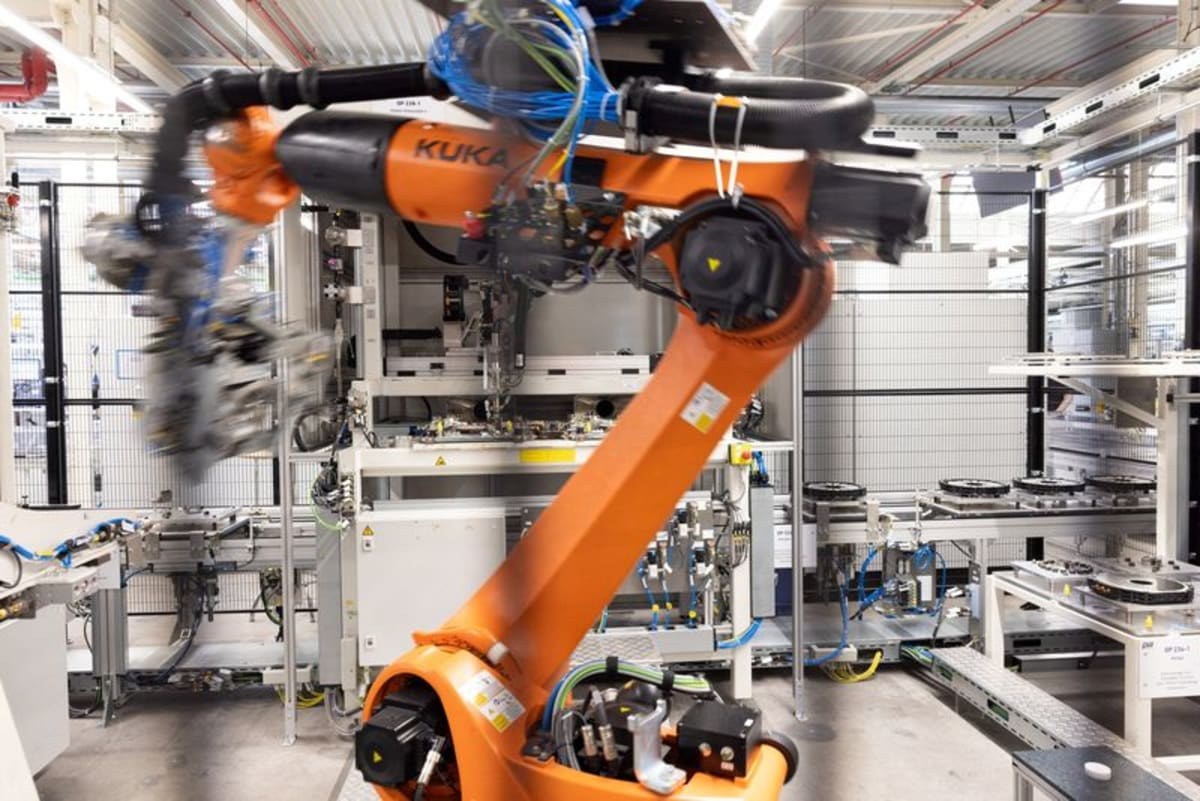
The trip is a small piece of scheduling that says a good deal about where the current market has placed its attention. Two of the names on his calendar, Samsung and SK Hynix, sit at the front of the memory-chip business that underpins the AI boom. The third, Doosan, is a sprawling industrial group whose businesses touch power equipment and nuclear energy, the parts of the supply chain that run hot when data centers need electricity.
Druckenmiller rarely does quiet, incidental travel. He built his reputation running George Soros’s Quantum Fund in the early 1990s, where he directed the bet against the British pound that forced the currency out of Europe’s exchange-rate mechanism in 1992. He later struck out on his own, and for years his public comments have moved markets almost as reliably as his positions.
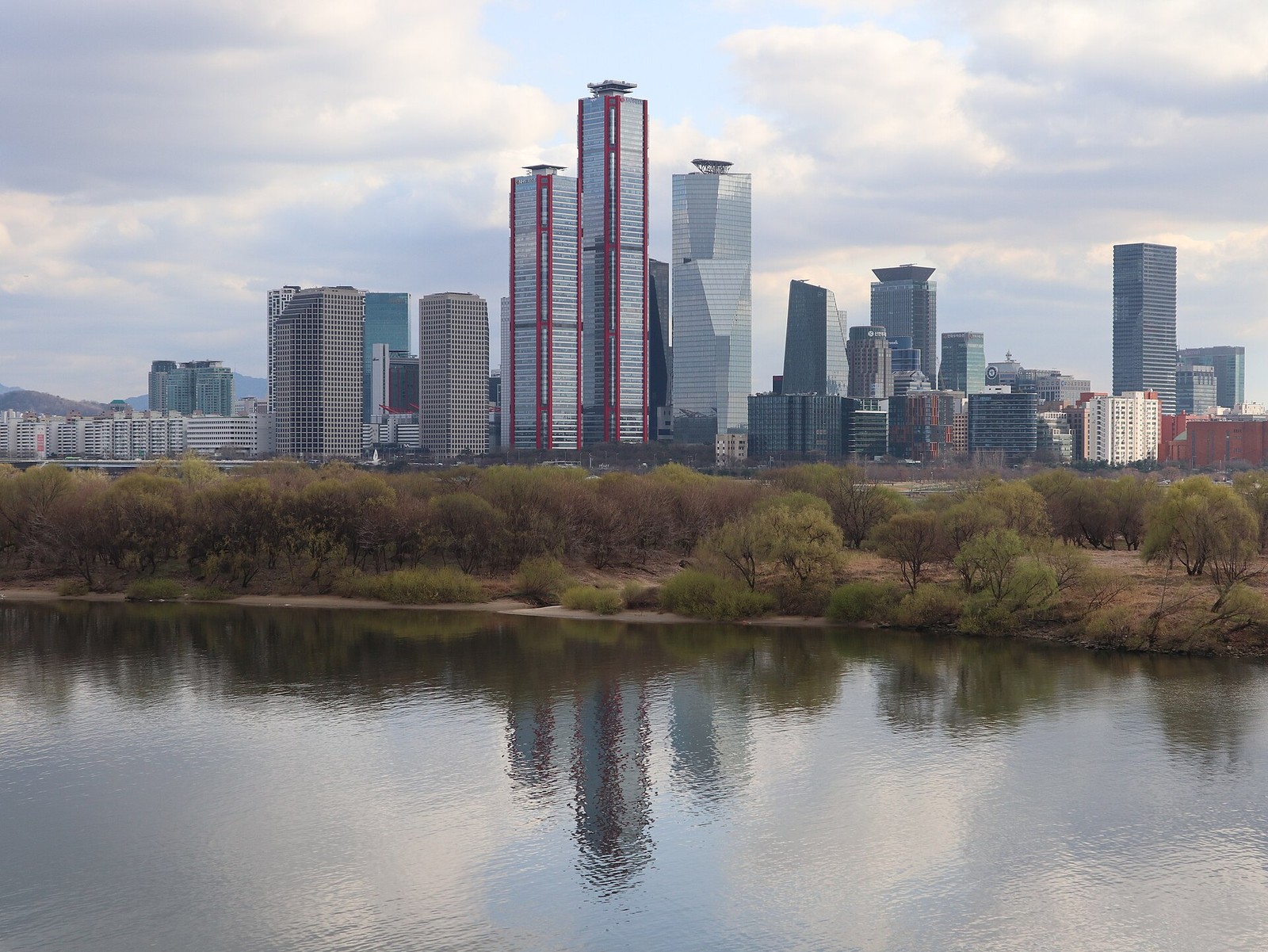
Seoul has not historically been a stop on his itinerary, which makes the timing of this one conspicuous. The AI trade that has dominated markets is now running into questions about whether the spending can be sustained, and those questions are being answered in part on Korean soil. Memory prices, which the industry has watched with growing alarm, have been climbing, and the country’s chipmakers have been the direct beneficiaries.
Samsung and SK Hynix have both risen through late September as the memory shortage tightened. SK Hynix has piled on a large share buyback and record AI-chip results, while industry forecasters in Korea now expect the global chip market to pass 1.6 trillion dollars this year. The fear of an AI slowdown that rattled investors has not yet reached the factory floor, and a visit from an investor of Druckenmiller’s standing is the kind of signal the market tends to read carefully.
The Doosan leg points at the other half of the AI argument. Power is the constraint that chips cannot solve, and Doosan’s exposure to energy equipment gives it a claim on the buildout of generation capacity that data centers demand. A meeting that pairs semiconductors with energy covers both ends of the bottleneck, memory on one side and electricity on the other.
For the Korean companies, the visit carries a quiet vote of confidence. Foreign money has rotated in and out of the memory trade all year, and a long-term investor taking a seat at the table does more for sentiment than a week of broker upgrades. The meetings are private, and nothing about them has been announced as a commitment, but the mere fact of the trip has already begun to circulate.
Druckenmiller’s method has always been to go where the facts are, and the facts of the AI buildout are increasingly Korean. The memory chips that store the data and the power equipment that keeps the racks running are made, in large measure, by companies whose headquarters sit within an hour of the meetings he has scheduled. For a macro investor, the trip is due diligence; for the market, it is a headline.
After leaving Soros, Druckenmiller ran Duquesne as his own vehicle for three decades, posting returns that made him a reference point for an entire generation of hedge-fund managers. He stopped managing outside money in 2010, then kept running his own fortune with the same intensity, and his occasional public appearances still draw the kind of attention a quarterly earnings call does not. A first visit to a market he has long watched from a distance is not a gesture; it is fieldwork.
The Korean names on his calendar are not interchangeable. Samsung and SK Hynix together control the market for the high-bandwidth memory that the most advanced AI accelerators require, a duopoly that gives them pricing power no other supplier can match. Doosan adds the physical layer, turbines, reactors, and grid equipment, the kind of assets that grow scarce when every new data center needs a power source.
What comes of it will not be known for weeks, if ever. Family offices rarely disclose the positions they build after a round of meetings, and Druckenmiller has spent decades perfecting the art of saying little in public. The week ahead will show only that he came, he met, and he went; the positions, if any, will surface later in filings that always lag the decisions behind them. The one certainty is that Seoul now sits on the itinerary of a man whose itinerary is not made lightly.