Bankers working for SoftBank Group spent the weekend putting the finishing touches on one of the largest high-yield bond offerings a single company has ever brought to market. By Monday, the Japanese conglomerate was ready to sell more than $11 billion of debt, according to people familiar with the matter.
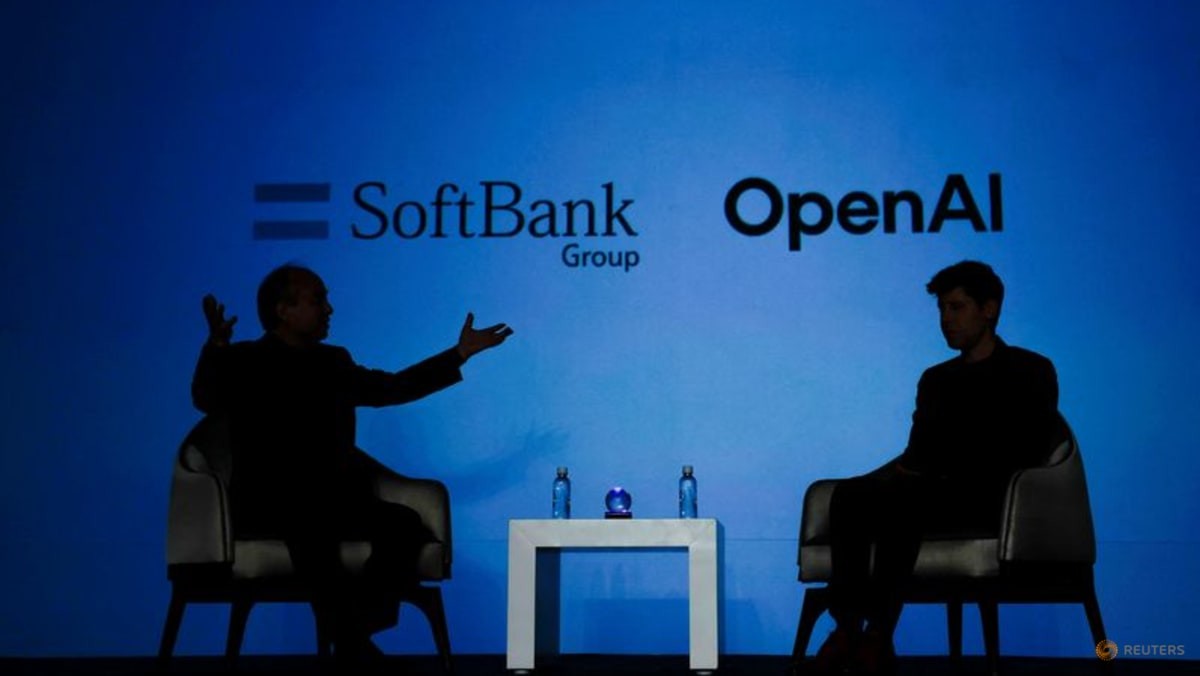
The deal is the latest turn in Masayoshi Son’s deepening bet on OpenAI, the maker of ChatGPT. SoftBank plans to issue $10 billion of dollar-denominated bonds across three maturities and €1 billion of euro-denominated notes split into two tranches, the people said. Part of the proceeds will go toward an additional investment in OpenAI that is expected to close next month.
The bond sale is set to price as soon as Thursday, with Citigroup and JPMorgan leading the offering, according to a term sheet seen by Reuters. The transaction, if it lands as planned, would rank among the largest junk-bond sales ever attempted by a single company, Bloomberg reported.
Son has spent the past year rebuilding SoftBank around a single conviction: that artificial intelligence will reshape the global economy, and that OpenAI sits near its center. The bond sale is the clearest sign yet that he intends to finance that conviction with borrowed money rather than the company’s own cash.
The strategy echoes the Vision Fund era, when SoftBank raised tens of billions of dollars to pour into startups such as WeWork and Uber, often with mixed results. This time the bet is more concentrated. A single company, OpenAI, now dominates SoftBank’s forward commitments, and the financing for it has been assembled largely in the debt markets.
SoftBank agreed in February to invest an additional $30 billion in OpenAI through its Vision Fund 2, in three installments of $10 billion each, at a $730 billion valuation for the startup, according to company disclosures at the time. The first two payments were made in April and July.
The dollar portion of the new offering gives investors a choice of three maturities, while the euro tranche is divided into two batches, a structure that spreads SoftBank’s refinancing needs across several years and across two currencies, with some maturities stretching past seven years.
Investors have begun to demand more for the risk. The yield on SoftBank’s dollar bonds due in 2031 has climbed to about 8.2 percent this month from roughly 6.7 percent in January, according to market data, and the cost of insuring the company’s debt against default has risen to a three-year high.
Credit analysts said the borrowing reflects the scale of SoftBank’s commitment to AI and the strain that commitment places on a balance sheet that was once far more conservative. SoftBank has said it keeps its loan-to-value ratio below set limits under normal conditions and holds enough liquidity to cover bond redemptions for at least two years.
Son’s OpenAI position has grown quickly. He was a driving force behind Stargate, the data-center venture that OpenAI and Oracle announced in early 2025, and SoftBank has since become one of the startup’s most important financial backers.
Son’s reputation was built on early, concentrated bets. His 2000 investment in Alibaba turned a few tens of millions of dollars into one of the most profitable stakes in venture history, and he has spent the decades since trying to repeat the feat at larger scale. The Vision Fund’s missteps cost SoftBank billions, but Arm, the chip designer SoftBank controls and took public in 2023, has become its most valuable asset, restoring a balance sheet that lenders now have to weigh against the OpenAI borrowing.
The bond sale suggests Son has no intention of slowing down. Rather than wait for the investment to produce returns, SoftBank is borrowing now and betting that OpenAI’s value will keep climbing fast enough to make the interest bill look small.
The company has stacked several other pieces of debt on top of the bond offering to fund its AI push. Apollo Global Management is in talks to increase an existing loan to SoftBank by $3.6 billion, to $9 billion, and SoftBank separately secured an $11.87 billion loan, according to people familiar with the arrangements. Together they amount to more than $20 billion of committed and potential new debt.
Son’s willingness to borrow on this scale has divided the market. Some investors see a cheap way to buy exposure to OpenAI before any listing; others see a creditor taking on equity risk at bond-market prices.
For the moment, the bond market appears willing to lend, though at a price well above what SoftBank paid earlier this year. Whether that appetite lasts will depend on how long investors are prepared to underwrite a stake in a company that has yet to go public, and how quickly Son’s bet begins to pay off.