As the state of California opened its case against Tesla on Tuesday, its lawyers described a factory where, they said, racial slurs were part of the working day. Black employees were called names, pushed into certain roles, and paid less than their white colleagues, according to the state’s complaint. Tesla denies the allegations.
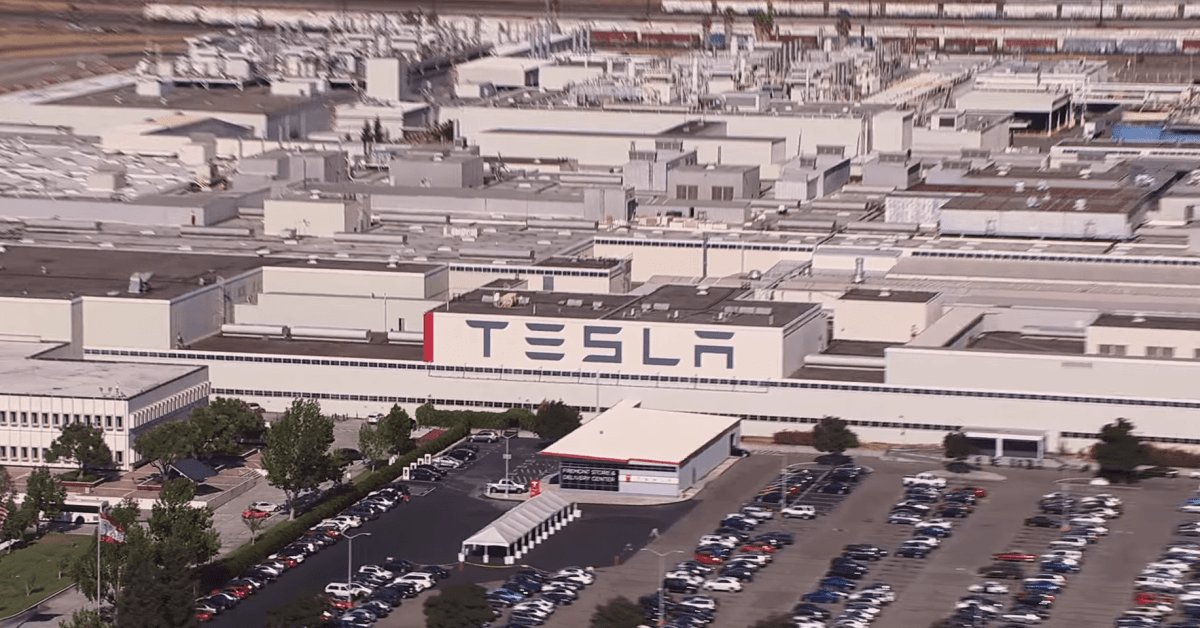
The trial, in Alameda County Superior Court in Oakland, is the first time a government agency has taken such a case against Tesla to a full hearing. The California Civil Rights Department filed the lawsuit in February 2022 after a nearly three-year investigation prompted by hundreds of worker complaints. It covers more than 6,000 Black workers at the Fremont plant, the company’s flagship manufacturing site.
The central question is narrower than the volume of allegations suggests: whether managers knew about the discrimination and failed to act. The state argues they did, pointing to years of complaints it says were ignored. Tesla says it does not tolerate discrimination and that it disciplines or fires workers who engage in misconduct.
Much of the evidence is documentary. The state’s lawyers have shown photographs taken inside Fremont over several years: graffiti including swastikas and a Confederate flag, and slurs scrawled in common areas and bathrooms. The complaint alleges that supervisors used a racial epithet openly and that some workers referred to the plant as a “plantation” and to Black colleagues as “slaves.”
Pay is also at issue. California’s analysis found that Black workers at Fremont earned about 1,533 dollars a month less than white workers between June 2018 and June 2024, according to court filings. Tesla has disputed the methodology behind those figures.
The stakes are unusually high because of how the case is structured. Under California law there is no cap on what the state can win, and the suit seeks damages on behalf of thousands of workers. A finding against Tesla would raise the company’s labor costs and force changes to how the Fremont plant is run, according to analysts.
Tesla has spent years fighting discrimination claims from the same factory. Since 2017 it has faced a series of private lawsuits, and in one early case a jury awarded a former worker a sum that ran into the tens of millions of dollars before courts reduced the amount on appeal. The federal Equal Employment Opportunity Commission filed its own suit in 2023 alleging systematic racial harassment and retaliation, a case now in mediation.
California has been unusually willing to point its civil rights agency at large employers. The department, formerly known as the Department of Fair Employment and Housing, pursued the case after workers filed complaints alleging years of harassment, and the state chose to press the matter itself rather than leave it to private lawyers.
The company scored one victory on the way to trial, when a 2025 ruling kept workers from proceeding as a single class. But the California case does not depend on class certification, because the state itself is the plaintiff. That removes an avenue Tesla has used to slow or derail private litigation, and it means the company cannot rely on the arbitration clauses in many worker contracts.
Fremont is central to Tesla’s identity as much as its finances. The plant was once a joint venture between General Motors and Toyota, and Tesla has expanded it into one of the largest auto factories in North America, producing the Model S, Model X, Model 3 and Model Y for markets around the world. It employs thousands of people drawn from the surrounding Bay Area.
The allegations sit uneasily with the image Tesla projects to investors and customers. Elon Musk has spent years describing the company as a meritocracy where the best engineers come to work on the hardest problems. The testimony in Oakland is testing a different account of life on the factory floor.
Analysts said the trial is unlikely to dent Tesla’s share price in the short term, because the case has been public for years and investors have largely priced in the risk. The longer-term consequence, they said, is reputational and operational.
A win for Tesla would vindicate its insistence that the problems at Fremont were the work of a few individuals rather than a culture of tolerance. A loss would hand the state a precedent for how far a manufacturer must go to police the conduct of its own supervisors, and it would give other employers in California a standard to measure themselves against.
Tesla has pointed to steps it has taken, including training programs and the removal of workers found to have engaged in harassment. The state has countered that some of those same workers were later brought back through contract arrangements, undercutting the company’s claim of zero tolerance.
The trial is expected to run through late October. Whatever the outcome, it is the clearest airing yet of a question that has followed Tesla for nearly a decade: whether a plant built for speed ever learned to treat complaints about race as seriously as it treated the production line.