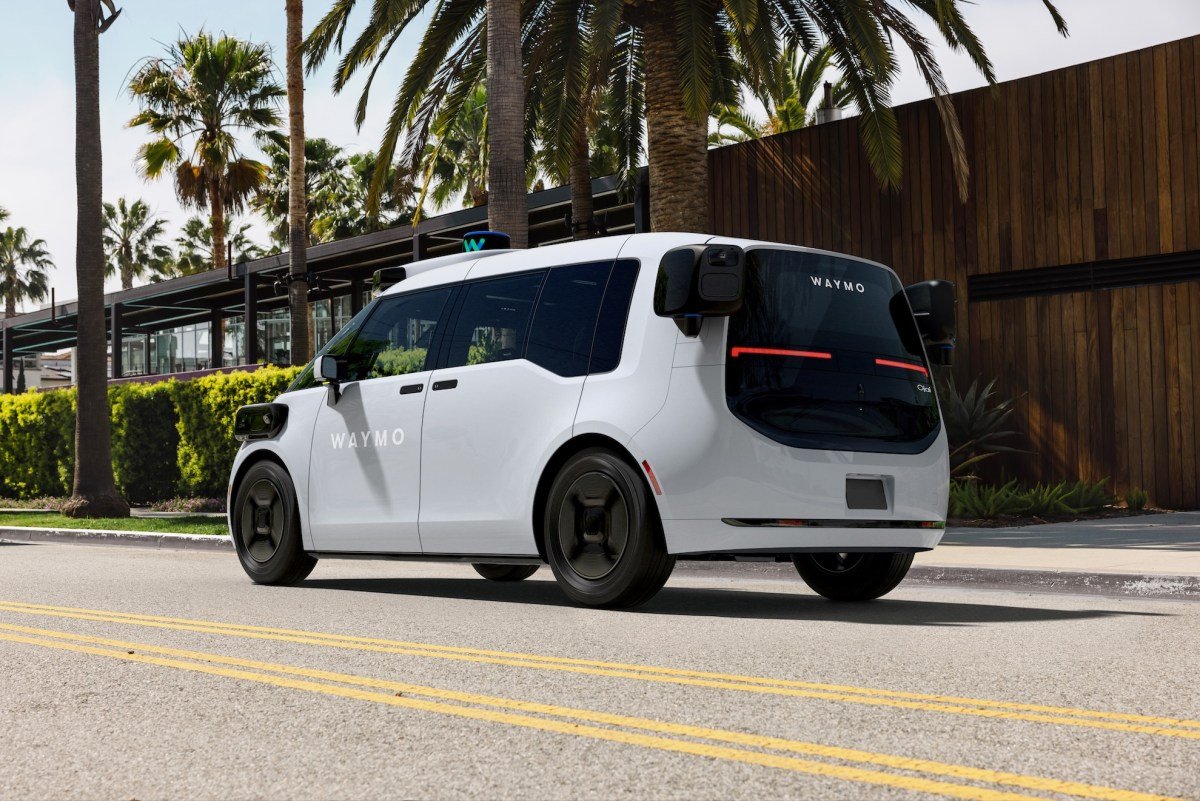
A driverless car pulled away from the curb on the Las Vegas Strip this week with no one in the driver’s seat, part of the fleet Waymo is now running across one of the most heavily traveled corridors in America. The Alphabet-owned company has opened its robotaxi service to the public in Las Vegas, weeks after winning approval from Nevada regulators.
The rollout puts Waymo on the same streets as Zoox, the Amazon-owned autonomous vehicle company that has begun charging for rides in Las Vegas using a purpose-built vehicle with no steering wheel at all. Two of the best-funded self-driving efforts in the country are now competing for the same passengers, a first for the industry.
Waymo’s Las Vegas service covers the Strip, Spring Valley and Winchester using its sixth-generation vehicles, according to the company. Riders are being admitted on a rolling basis, the same playbook the company used in Phoenix, San Francisco, Los Angeles and Austin as it turned a research project into a commercial business.
The expansion comes at an awkward moment. On the same day, the Minneapolis City Council held a hearing on whether to restrict autonomous vehicles, including a proposal that would require a licensed human monitor inside every driverless robotaxi operating in the city. The measure would amount to a ban on the service as Waymo currently runs it.
Minneapolis is not the only place where the vehicles have drawn scrutiny. Days earlier, video circulated of a Waymo car driving into the setup area of a farmers market in Denver, threading past tents and tables as vendors looked for a way to tell a driverless car to stop. A bakery captured the moment with a caption aimed at the car: “Waymo babe this is a farmers market.”
The company said the vehicle was operating as designed and that such incidents are rare, though the images traveled far enough to be raised in the Minneapolis debate. For an industry trying to persuade cities to let it grow, each stray car is a liability that no amount of engineering can fully remove.
Waymo also announced a deal with Visa on the same day, offering a 2.85 dollar credit to riders who combine a robotaxi trip with public transit, provided they pay with a Visa card within two hours of riding a bus or train. The program, expanding a pilot run in two other cities, is rolling out first in the San Francisco Bay Area.
The Visa tie-up shows how Waymo is positioning itself as a complement to public transit rather than a replacement for it. Transit agencies have sometimes viewed robotaxis with suspicion, worried they will siphon off riders and public subsidy. Discounts tied to transit use answer that worry with a business arrangement instead of a press release.
The two stories on the same day capture the state of the industry. Waymo is scaling fast, adding cities and signing commercial partners, while a growing number of local governments are asking whether they want the vehicles at all.
Waymo has been working toward this moment for more than fifteen years. The project began inside Google in 2009 and has outlasted most of its rivals, surviving the shutdown of Uber’s self-driving unit and the collapse of several startups. Alphabet has kept funding it through losses that would have sunk a standalone company.
Analysts said the tension between expansion and regulation is now the main constraint on the sector’s economics. Building a robotaxi business requires density: enough cars, riders and trips to spread the cost of the hardware and the remote staff who monitor the fleet. Every city that imposes limits raises the cost of that density.
Waymo has argued that its safety record is strong and that driverless cars can reduce crashes caused by human error. The company publishes collision data and has said its vehicles were not at fault in the most serious incidents reviewed by regulators.
Competitors are watching the regulatory fights as closely as the rider numbers. Zoox, far behind Waymo in scale, needs cities to stay open if it is to justify the cost of its purpose-built vehicle. A wave of local bans would hurt everyone, but it would hurt the smaller players first.
For now, Las Vegas is a win. It is a market with predictable weather, wide roads and a steady stream of tourists comfortable summoning a car from a phone. It is also a market where Waymo and Zoox can be measured against each other directly, something investors have been waiting to see.
The Minneapolis hearing ended without a final vote, according to local reports, and the proposed monitor requirement is still being debated. But the fact that the city is debating it at all is its own signal. Waymo is learning that in the robotaxi business, the hardest miles are not the ones on the road.