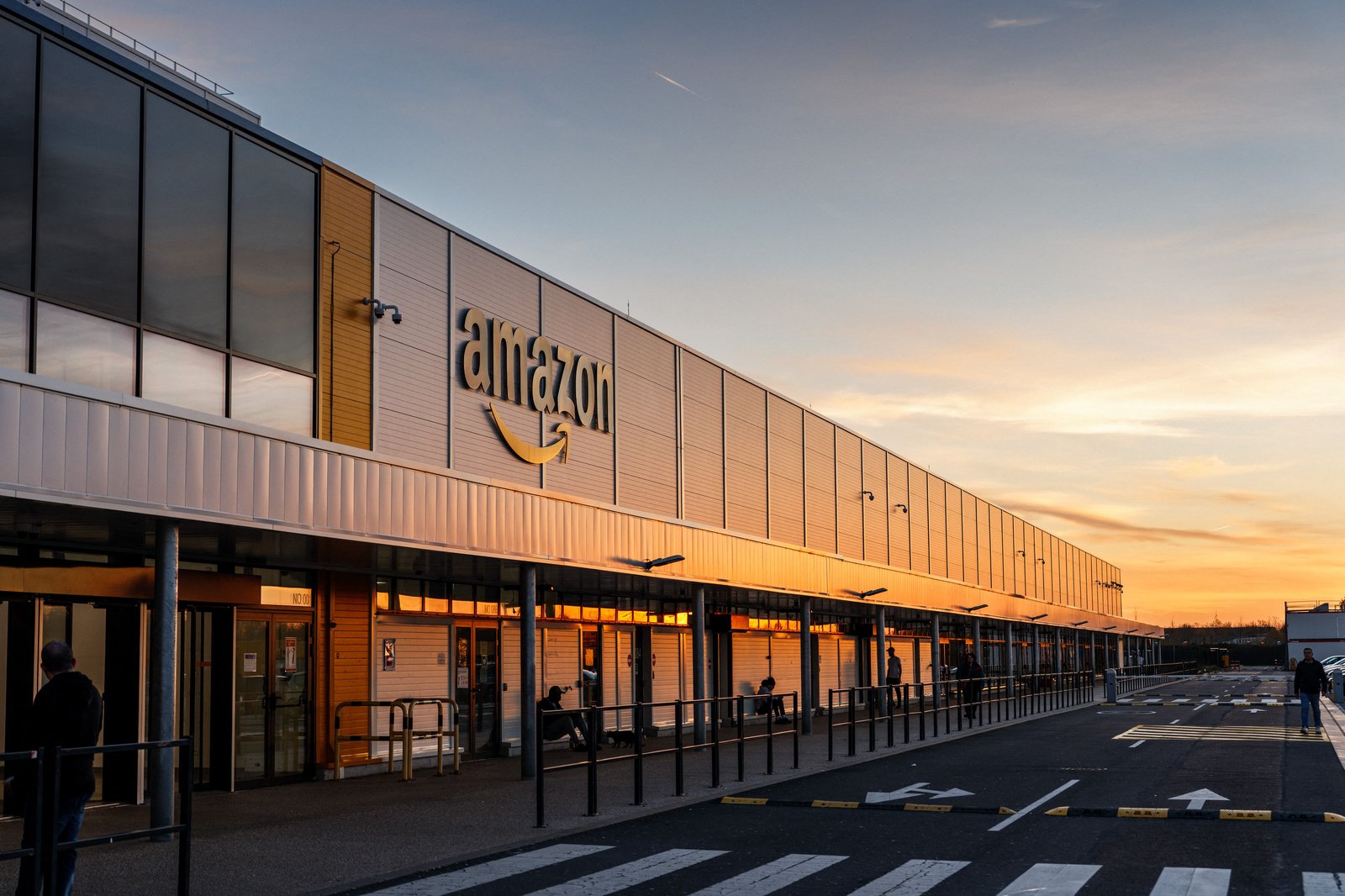
Inside Amazon, the effort has a name: “Swami’s Boomerang Reengagement Initiative.” Named for the executive running it, Swami Sivasubramanian, the vice president who leads Amazon Web Services’ AI agent division, the program is reaching out to former employees — including people the company cut this year — and inviting them back to fill roles in cloud computing and artificial intelligence.
The push, described in internal messages reviewed by Business Insider, has recruiters offering some former employees a shortened path to a job offer. One AWS finance recruiter asked a departed worker whether the company’s return-to-office policy had contributed to the decision to leave, then pitched the openings in AI and machine learning as a reason to return. An Amazon spokesman, Haley Silva, told the publication that this kind of “boomerang hiring” is routine across the company, not a new initiative limited to AI or cloud work.
The courtship is aimed at the same workforce Amazon spent two years trimming. The company cut roughly 16,000 roles in January and has eliminated about 30,000 corporate jobs in a broader restructuring, nearly 10 percent of its corporate staff, as it pushed to streamline operations with the help of its own AI tools. Now the tightest market in the business — the engineers who build the models — is pulling those people back through the door.
The rehiring push is part of a wider reversal that has rippled across the technology industry this year. Research from Revelio Labs cited by Business Insider found that boomerang employees — workers who leave and later return — made up 3.4 percent of U.S. new hires at the end of 2025, up from 3.1 percent two years earlier. The figure captures an industry that cut deeply in 2024 and 2025 and is now bidding to get its own people back rather than train strangers.
The rehiring is the human side of a buildout with no obvious ceiling. Amazon, like its rivals, is pouring tens of billions of dollars into data centers to meet demand for AI, and every campus needs power, cooling and people. The scramble for talent in AI and cloud has grown so acute that the company is willing to re-recruit people it paid to leave only months ago, a reversal that former employees described as awkward but common.
The same pressure is visible on the power grid. In Pecos County, Texas, Amazon is investing in a natural-gas plant attached to a planned data center, a facility that The New York Times reported could release 33 million tons of carbon dioxide a year, which would make it the largest single source of climate pollution in the United States. The company confirmed the center would run on “new on-site generation that won’t raise electricity costs for Texas families.”
The gas investment collides with the promise Amazon has made in public for years. The company co-founded the Climate Pledge in 2019, committing to reach net-zero carbon emissions by 2040, and it has branded itself as a leader in corporate climate action. Its own numbers have moved the wrong way: Amazon reported last year that its carbon emissions rose 16 percent, a direction the AI buildout is expected to worsen rather than reverse.
The Texas plant is not an outlier. Across the industry, the largest technology companies have begun signing contracts for new natural-gas generation to keep data centers running, as renewable power has arrived too slowly to meet the surge in demand. Amazon’s investment is distinguished mainly by its size — a plant whose emissions would dwarf those of nearly every other single facility in the country, according to the reporting.
Amazon’s answer has been to defend the pledge without retreating from the gas. “The world looks different now than when we co-founded the climate pledge,” a company spokesman said, adding, “Our commitment hasn’t changed.” The statement is a careful straddle — an acknowledgment that the demand for electricity has outgrown the clean sources the company once assumed would be available, paired with an insistence that the 2040 target still stands.
The two stories are the same story. The AI boom has put Amazon in the position of buying electricity it once promised not to need and rehiring workers it once decided it could do without. Data centers, the company is discovering, do not run on software alone. They run on gas, on water and on the engineers and operators who keep the machines fed, and all of those inputs have grown scarce at once.
Investors have so far treated the trade-off as worthwhile. Amazon’s shares have climbed more than 12 percent this year as the market has rewarded the scale of its AI ambitions. The bet is that the revenue from the buildout will outrun the cost of the power and the payroll that feed it. Analysts said the real test will come in the quarters ahead, when the gas plants are running and the rehired workers are on the books, and the bill for both shows up in the same place.
For now, Amazon is moving on both fronts at once, courting back the employees it shed while defending the emissions its growth requires. It is a portrait of a company big enough to be doing two contradictory things at the same time and confident enough to explain neither as a contradiction.