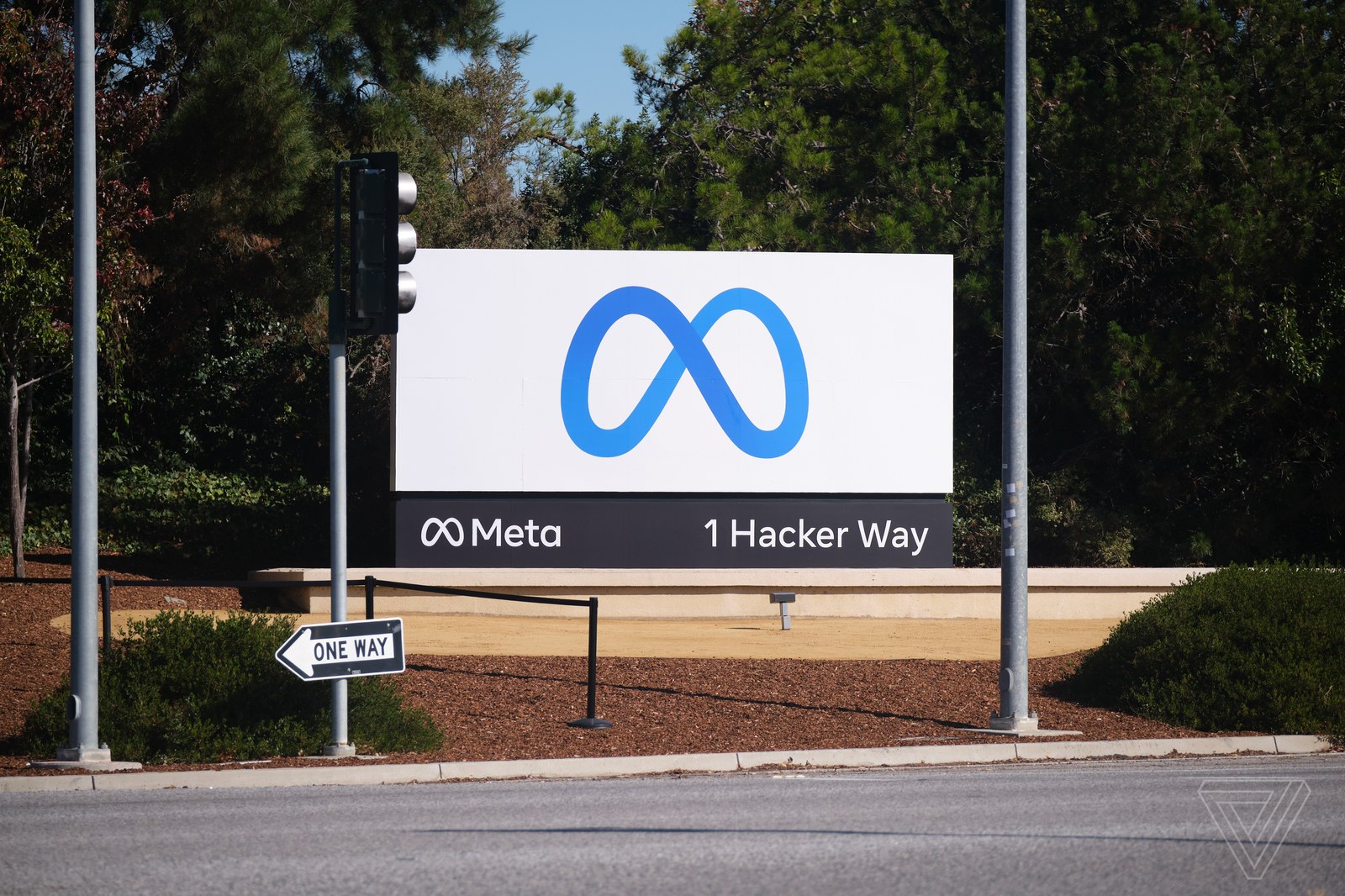
Six weeks ago, Meta Platforms was one of the worst-performing stocks in the S&P 500. On Thursday, the company stood less than 1 percent from a threshold only a handful of firms have crossed.
Meta’s shares have risen about 36 percent in September, according to market data, putting the company within a percentage point of a $2 trillion market capitalization and on course for its best month since 2013.
The swing has been sharp. After Meta reported quarterly results in late July with revenue guidance that disappointed investors, the stock fell as much as 18 percent at one point this year. The September rally has erased that decline and then some.
The recovery has been driven in large part by enthusiasm for Meta’s AI agent, Muse, which the company released earlier this month. The app reached 2.8 million installs within twelve days, according to Apptopia, briefly overtaking ChatGPT as the top free iPhone app in the United States.
Muse’s pitch is simple: a personal agent that can book tickets, sort email and act across the web. It is free, with subscriptions at $20 and $100 a month for heavier use, giving Meta a way to earn from AI that does not depend on advertising, which still supplies nearly all of the company’s revenue.
The hardware unveiled at the company’s Connect conference this week, a lightweight virtual-reality headset and a keychain-sized AI pendant, gave investors a clearer picture of where Meta believes its agent business is headed. Analysts have been raising price targets in response, with JPMorgan lifting its target on Meta shares to $920 this week.
The climb has also been supported by the company’s willingness to keep spending. Fortune calculated this week that Meta’s 2026 capital expenditure could reach $145 billion, roughly double the $72.2 billion it spent in 2025, a figure that exceeds the military budget of every country except the United States, China and Russia.
Investors have come to read that spending as confidence rather than bloat, a notable reversal from the July selloff, when the same capital-expenditure plans were seen as a drag on margins.
Meta, which rebranded from Facebook in 2021, has shifted its center of gravity toward AI agents under Mark Zuckerberg, who has raised the company’s capital-spending forecast three times this year. The hardware and the agent together are the visible end of a plan that treats computing capacity as the foundation of a new business.
Even as the shares rally, the company is fighting a separate battle over child safety. On Wednesday, YouTube chief executive Neal Mohan declined to join a multi-state settlement framework that Meta has been leading, a refusal reported by multiple outlets.
The Verge reported the same day that Meta has asked employees working on child safety disclosures to wear hats marked “attorney-client privilege,” a move the outlet described as an effort to shield internal communications from legal discovery.
The child-safety friction sits alongside the stock’s momentum rather than against it. Investors have so far focused on the AI story, while the company’s handling of young users’ safety has continued to draw scrutiny from lawmakers and regulators across states that have sued the company.
A $2 trillion valuation would place Meta in a small group of companies, most of them rivals in the AI buildout. Meta counts more than three billion people among the users of its apps, a base it is now trying to convert into paying customers and users of its AI agent.
The company’s advertising machine remains the foundation underneath all of it. Meta’s apps reach more than three billion people, and the ad business that runs on them funds the AI spending; even the most bullish investors acknowledge the agent business is years from matching that scale.
The child-safety dispute carries its own stakes. A group of state attorneys general has pressed Meta over the effects of its platforms on young users, and the multi-state framework the company has been assembling is an effort to contain that pressure. Mohan’s refusal, and the reports about privilege hats, suggest the effort is meeting resistance.
The hardware and software moves at Connect also carried a concession on privacy. Meta said it is making a version of its Ray-Ban smart glasses without a camera, a step that follows a stretch in which the company disabled the cameras on thousands of pairs after users modified the recording light. The camera-free model is aimed at users and venues that balk at being filmed.
Analysts cautioned that the month’s gains have come quickly and that the stock’s valuation now assumes the AI spending keeps paying. But the direction of the past six weeks has been unmistakable: investors who fled in July have spent September buying back in.
Whether Meta crosses the $2 trillion line in the final days of September matters less than the direction of travel. The stock’s month says investors have decided, for now, that the company’s enormous bet on AI is more likely to pay off than not.