The “Copilot+ PC” badge is coming off the box. Microsoft confirmed on Sept. 24 that it is retiring the brand it stamped on AI-capable Windows laptops, and the label has already disappeared from the company’s newest Surface machines, which now describe their artificial-intelligence features in more general terms.
The retreat from the Copilot+ name closes a short and bumpy chapter. Microsoft introduced the label in May 2024 to mark PCs built around a new generation of processors designed for AI workloads, starting with machines running Qualcomm’s Snapdragon X chips and later expanding to Intel and AMD silicon. The launch was overshadowed by Recall, a Windows feature that took screenshots of everything a user did, and the privacy outcry that followed forced Microsoft to delay and rework it before release.
The name had a purpose when it arrived. Microsoft was trying to define a category at a moment when PC sales had stalled, hoping that a clear label would give buyers a reason to replace aging machines with hardware built for AI. The bet was that branding could do what a spec sheet could not: make an upgrade feel like a decision rather than a purchase.
The name itself never quite stuck. PC makers ran their own marketing, the Copilot assistant spread far beyond the machines that carried the label, and the boundary between a Copilot+ PC and an ordinary new laptop blurred as AI features trickled into the rest of Windows. Microsoft’s decision to drop the brand, rather than defend it, suggests the company concluded the label was adding confusion instead of clearing it up.
The Recall episode hung over the brand from the start. When Microsoft first showed the feature, critics called it a surveillance tool, and regulators began asking questions before it ever shipped. The company delayed it, made it opt-in and added encryption, but the label that was meant to sell a new era of computing became attached to its first public stumble. The name never recovered the clean launch it was designed to have.
The branding change arrived the same day Microsoft redrew how it talks to the outside world. The company is moving its communications team out of the marketing organization and placing it under Brad Smith, the vice chair and president who oversees legal and corporate affairs. Chief Executive Satya Nadella described the shift in internal memos obtained by GeekWire as part of a push to build in public.
Nadella’s message was that more employees and executives should speak for the company directly, rather than filtering everything through a central marketing function. The change hands the public voice of Microsoft to a lawyer and policy operator who has spent years as the company’s most visible advocate in Washington, arguing its case on antitrust, cybersecurity and national security.
Smith is a different kind of spokesperson than the marketing executives who previously held the role. He is the author of books about technology and geopolitics, and he has spent two decades explaining Microsoft to regulators, senators and foreign governments. Putting him over communications signals that Microsoft wants its public face to be that of an operator explaining the world, not a brand manager selling a product.
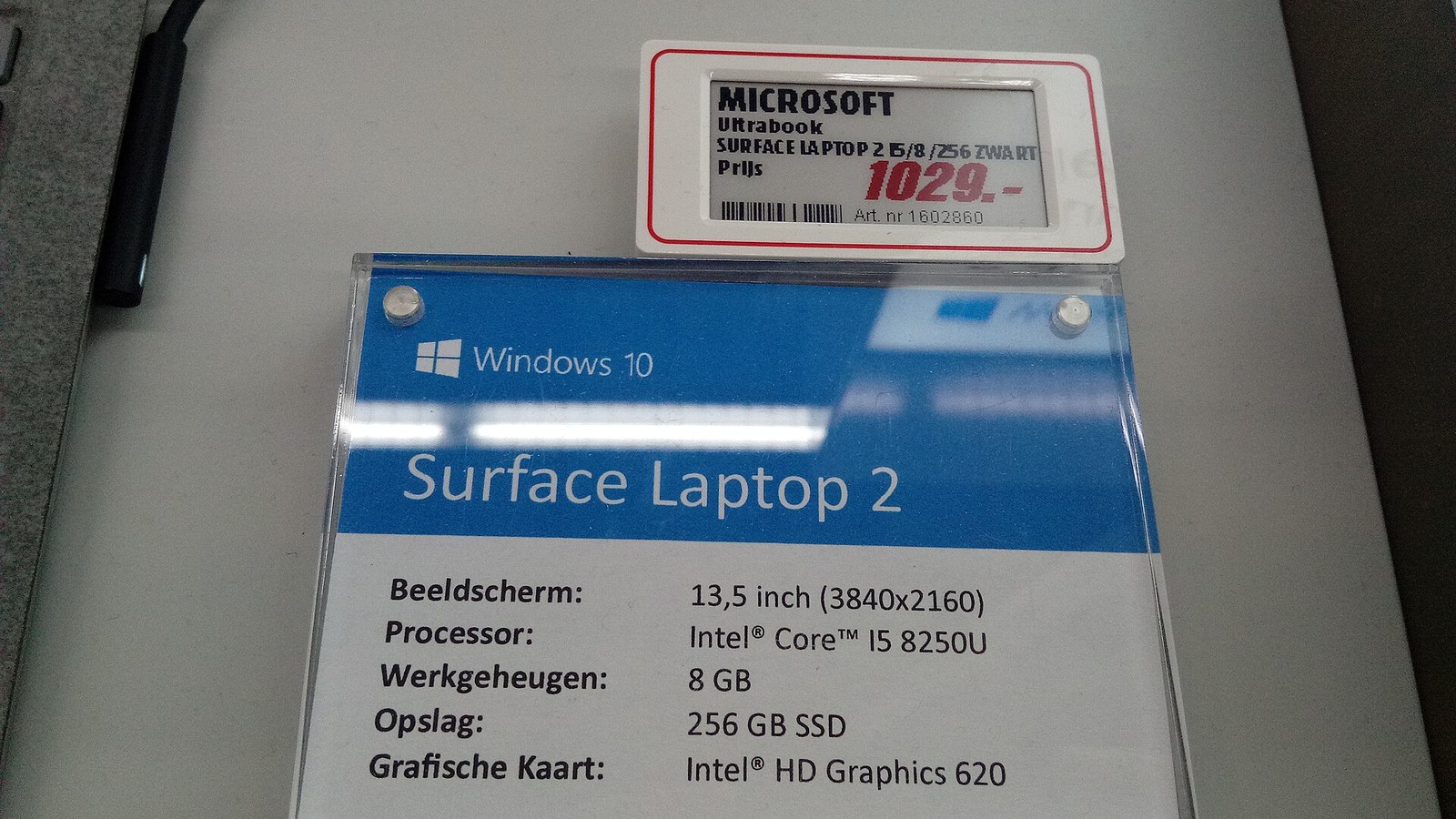
Surface, Microsoft’s own line of PCs, has long served as the stage for its software ambitions, and it was among the first hardware to carry the Copilot+ label. The removal of the badge from new Surface machines is the clearest sign that the company, not its PC partners, made the call to walk away from the name.
The two moves share a logic. The Copilot+ label was a marketing construct, and Microsoft is de-emphasizing that kind of top-down branding in favor of a more direct relationship with customers and the press. Analysts said the company seems to be betting that the substance of its AI story, told plainly, will do more than a badge ever did.
The day’s news also carried a cost. A Washington state layoff filing added 277 job cuts concentrated in Microsoft’s gaming business, the unit it built up through its acquisition of Activision Blizzard, a note that even as the company talks about building in public, it is still trimming where it sees slack.
Microsoft is not walking away from AI in Windows. The underlying features, the chips, and the Copilot assistant itself remain, and the company continues to push them as the reason to buy a new PC. What is changing is the packaging: fewer coined names, fewer marketing layers, and a communications chief whose job is to make the company’s case without the gloss.
The bet, analysts said, is that a plainer approach will travel further. Brad Smith has spent his career explaining Microsoft to governments and regulators in plain terms, and putting him over communications signals that the company wants its public face to look more like that and less like an advertising campaign. Whether the plainer voice can sell computers as well as a slogan did is the open question Microsoft has now set for itself. The slogan may be gone, but the stakes behind it have not changed.