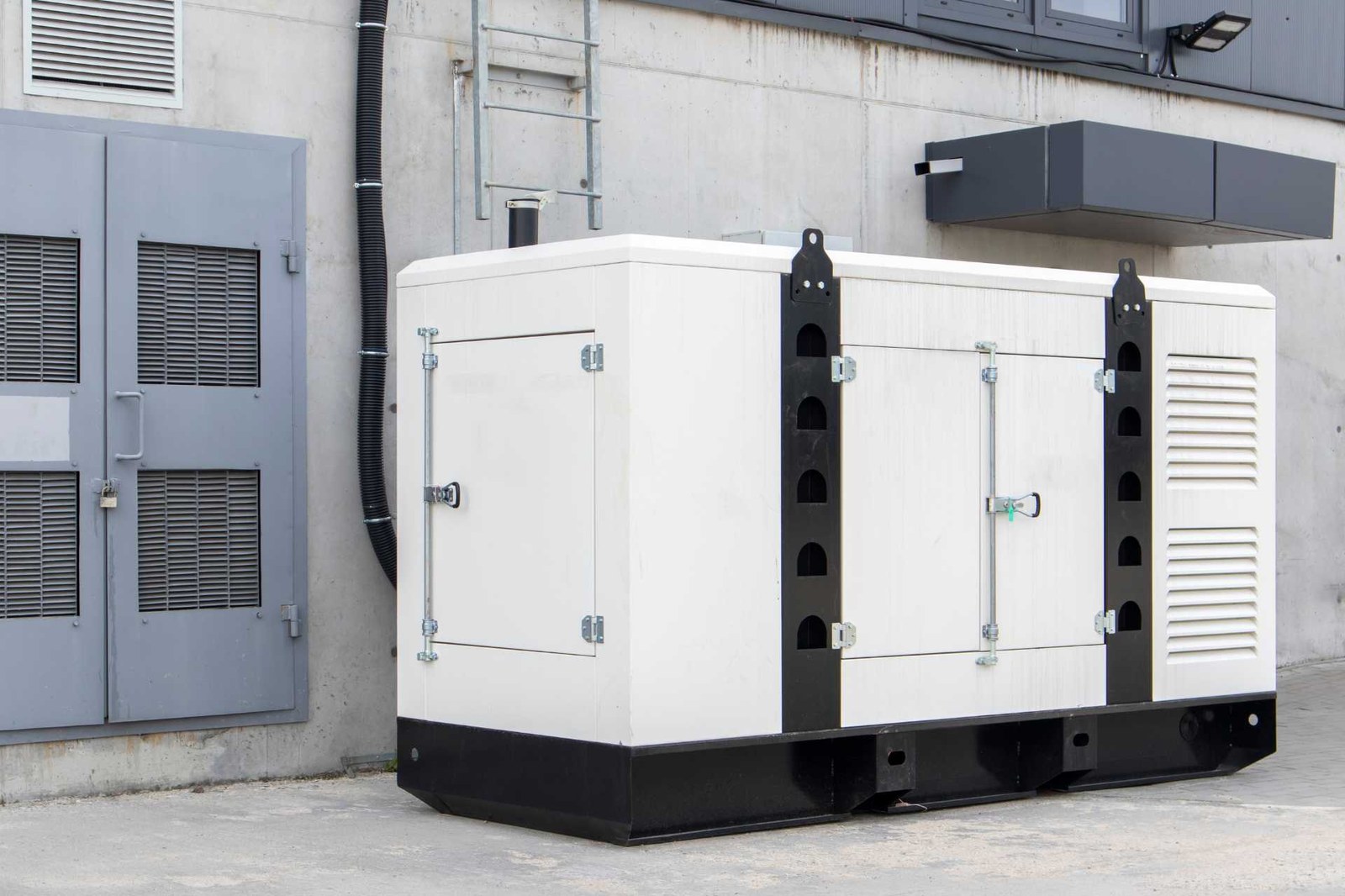
When state inspectors visited the DataOne data center in Vineland, New Jersey, in December 2025, they saw no power generators. When they returned on July 29, the site was running 62 of them — large natural-gas engines, each with a capacity of 1,982 kilowatts, none of them permitted.
On Sept. 22, the New Jersey Department of Environmental Protection fined DataOne $1.07 million for installing and operating the generators in violation of the Air Pollution Control Act. State rules require a preconstruction permit and operating certificate for any generator of 37 kilowatts or more. The 62 engines were running at more than fifty times that threshold.
The DEP called it the largest enforcement action ever taken against a data center in New Jersey, “and possibly one of the largest such actions in the nation.” Commissioner Ed Potosnak said the fine sends a message that such facilities “will not be constructed or operated with impunity in this state.”
The generators came to light through drone footage. An investigation by The Guardian and Floodlight News in August shared thermal imagery showing that 45 of the 62 generators were operating. Residents said a farmer first spotted equipment on satellite imagery and raised it at a public town hall meeting in February.
DataOne said it will comply, in its fashion. “We will apply for the air permits for the temporary generators,” a spokesperson said, while noting that the company “disagreed” with the fine. The company said the generators will eventually be phased out as the facility transitions to “low-emission, quiet fuel cells.”
The order gives DataOne 45 days to apply for the required permits or cease operations, and it may keep running the engines while it seeks approval. Local environmental advocates said the penalty does not go far enough. Nichole Gardner, a co-chair of the nonprofit Sustain SJ, called it “insufficient, both in dollar amount and enforcement,” and argued the site should be made to halt operations until permits are issued.
The stakes are not abstract for the people who live nearby. Natural-gas generators emit carbon dioxide, nitrogen oxides, carbon monoxide and other combustion-related pollutants, and residents told reporters they worry about what they have been breathing since the engines began running without permits. One resident asked what the community has been breathing in since the generators started.
The site itself has been a source of local friction. Residents say the data center powers Microsoft’s AI tools, and they fear DataOne will do whatever it takes to keep that business in place. The project appeared to operate behind a curtain of secrecy for years, with neighbors piecing together what was happening on the site from satellite images and drone footage.
Estimates suggest the generators could emit more than two billion pounds of climate-warming carbon dioxide a year at the Vineland site. Environmental groups argue that had the engines been properly permitted as a major pollution source, the permit process would have imposed stringent control requirements.
The DEP’s order stems from a formal notice of penalty assessment and cites the company for building and operating the engines without the required approvals. The generators were not observed during the agency’s previous inspection in December 2025, which means they appeared and began operating in the span of roughly seven months.
DataOne’s explanation points to the pressures of the buildout. The company described the engines as temporary and said it is moving the facility toward fuel cells, a cleaner technology. But the DEP’s position is that the law does not permit a company to skip the permitting step while it waits for the grid, regardless of how temporary the equipment is meant to be.
The fine is large for its category but modest against the economics of the AI buildout. DataOne is one of many developers racing to bring data centers online to serve the surge in demand for computing, and the generators are a workaround for the years-long wait to connect to the regional power grid. A $1.07 million penalty is a small line item against the cost of a data center, and DataOne’s measured response — apply for the permits and move on — suggests the company views the fine as a cost of doing business rather than a deterrent.
The case has drawn attention beyond New Jersey because it touches the same tension playing out across the country, from Virginia’s Loudoun County to the deserts of the Southwest: data centers need enormous amounts of power immediately, and the grid cannot always supply it. Developers are turning to on-site generation, and regulators are discovering that some of it was never approved.
The outcome residents and advocates say they want is straightforward: either the engines get the permits the law required all along, with whatever pollution controls those permits demand, or they stop running. The DEP’s order sets that choice in motion, and the agency has promised to return to the Vineland site to see which path DataOne takes.