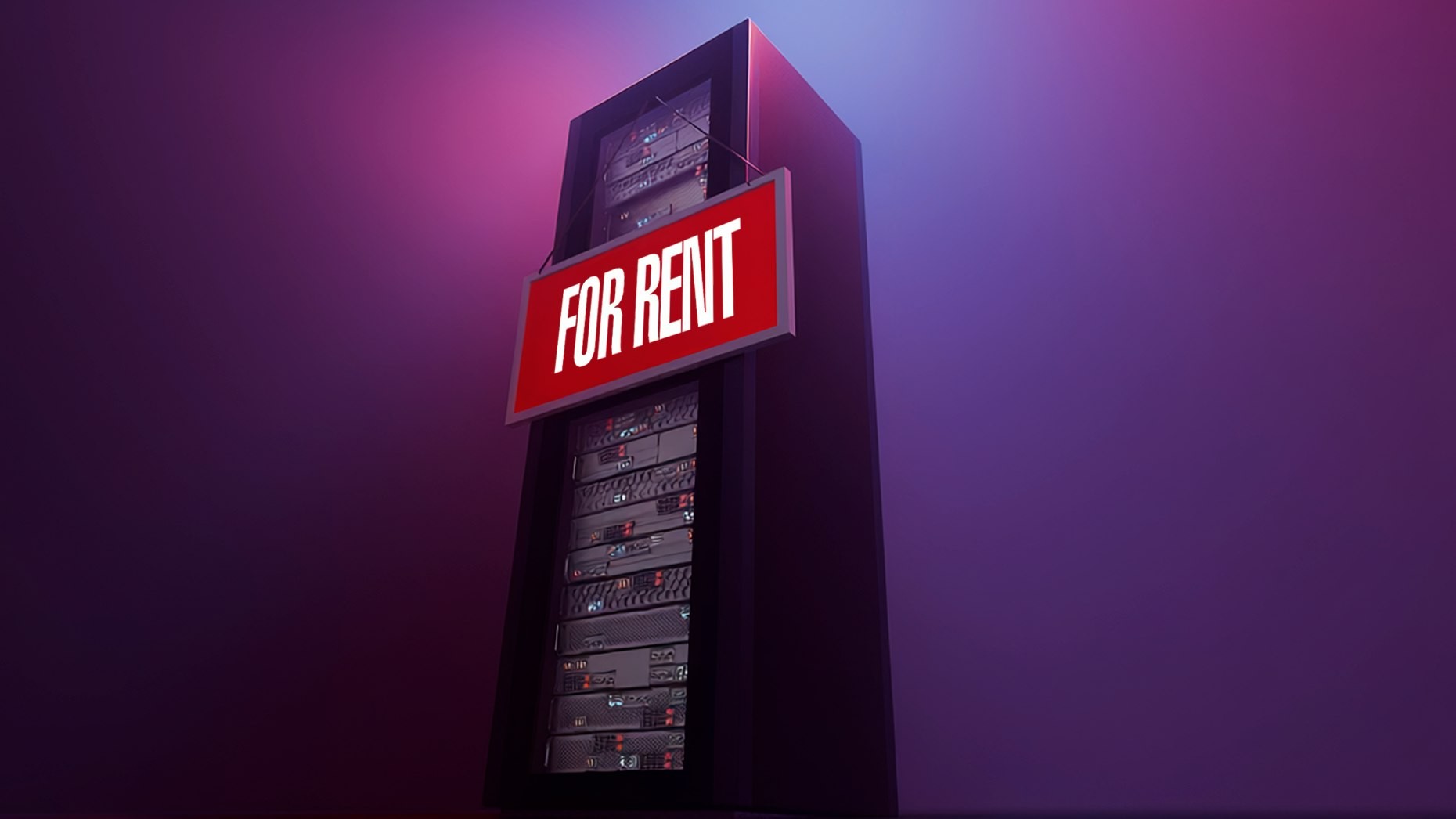
For a company that has bought nearly all of its computing power from cloud providers, the negotiation described by The Information on September 24 would mark a step into unfamiliar territory. Anthropic is in early talks to lease as much as one gigawatt of capacity directly from Stream Data Centers, a developer majority-owned by Apollo Global Management.
The plans discussed inside the buildings are as notable as the buildings themselves. Anthropic would deploy Google’s tensor processing units, the chips designed with Broadcom, and has not ruled out Nvidia graphics processors. The company would also become a tenant in its own right for the first time, rather than a buyer of someone else’s capacity.
A gigawatt is a large number even by the standards of this buildout. It is roughly the output of a large power plant devoted to a single customer, and few campuses in operation today approach that scale. Stream, which counts Principal Asset Management among its backers alongside Apollo, has developed sites across the United States and would be building to a tenant’s specification rather than to a general market.
The arithmetic on a project of that size is the part that makes executives hesitate. Data center developers put the capital needed to run one gigawatt at no less than $40 billion, according to people familiar with the matter. Anthropic would be expected to provide a financial guarantee for the lease, and would still need to raise separate financing for the chips, which are a distinct cost from the shell and its power systems.
Google could end up providing a credit backstop, though the scope has not been determined, according to people familiar with the matter. That arrangement would make sense given the chips involved, but it would also deepen a relationship that competition regulators in several markets have already examined closely.
None of it is settled. The talks are early, capacity and deal structure are undecided, and people familiar with the discussions said an agreement of this type is months away at best. Such negotiations also collapse with some regularity, particularly when power supply and permitting are unresolved.
The move would fit a pattern Anthropic has assembled over the past year. The company has signed a 20-year lease for roughly 401 megawatts with TeraWulf, agreed to convert a former bitcoin mining site operated by Hut 8, and struck a deal with Advanced Micro Devices covering two gigawatts of chips. The Information has counted compute agreements worth roughly $531 billion signed over the past 11 months.
Read together, those deals describe a shift in strategy ahead of an initial public offering. Buying compute as a service keeps capital off the balance sheet and preserves flexibility, but it also leaves the buyer exposed to a supplier’s pricing and capacity decisions. Holding leases and chips directly converts operating cost into owned assets and long-term obligations.
The trade-off runs in both directions. A tenant with a signed lease and a financial guarantee has a defensible claim on capacity, which matters when demand is outstripping supply. That same tenant also carries fixed payments through a downturn, and a gigawatt of capacity is not something a company can quietly hand back to a landlord.
The timing reflects a specific worry in the industry. Cloud providers are racing to build for their own models and for outside customers, and the largest AI developers have concluded that waiting in line is a strategic risk. Lease-first strategies have become common at the top of the sector, though they are usually announced with more detail than this one.
There is also the matter of the landlord. Apollo has assembled a portfolio of digital infrastructure assets and has shown a willingness to finance tenants through complex structures. A deal that pairs an Apollo-controlled developer with a tenant that needs credit support from a third party is the kind of arrangement that takes months of documentation, and lawyers on both sides have to agree on who bears the risk if the project runs late.
Power is the constraint that will decide the shape of any agreement. Sites big enough for a gigawatt need transmission capacity, and developers have increasingly turned to on-site generation when the grid cannot deliver on schedule. Anthropic has not said which of Stream’s sites the talks concern, or whether the power would come from a utility or from equipment built specifically for the campus.
For Anthropic, the appeal is straightforward: capacity it controls, on terms it can plan against, in buildings it helped finance. The risk is equally clear. If demand for frontier model training plateaus, the company will be paying for power and floor space it no longer urgently needs, and it will be doing so while public shareholders watch the quarterly numbers.
Whether the talks produce a lease, a smaller commitment, or nothing at all remains unresolved. What the disclosure already shows is that Anthropic has decided that renting from the cloud is no longer sufficient, and that it is willing to accept the balance sheet consequences of saying so.