The pilot was already managing a heavy workload, low over the airport on a missed approach. Flying a precision approach with the autopilot engaged, the crew changed the pre-programmed flight plan. On some Boeing 737 MAX jets, that is the moment a software fault can quietly strip away part of the aircraft’s automated guidance.
The fault lives in the flight management computer and can cause the vertical navigation system, known as VNAV, to disengage and drop to a less sophisticated level of automated pitch control. The autopilot keeps working, and pilots are trained to land without VNAV. But the failure would arrive in exactly the scenario where the workload is highest.
Boeing confirmed the problem on September 26, saying it had told all 737 operators a month earlier about a software issue in which pilots may not have access to automated flight guidance during a specific landing scenario. The Wall Street Journal first reported the matter. The Federal Aviation Administration said it would evaluate the fault, act immediately if it found a safety concern, and review Boeing’s proposed fix.
“We shared information with operators that reinforced existing pilot procedures for safely handling such cases,” a Boeing spokesperson said. “Our engineers are working on a software update to permanently address the issue.”
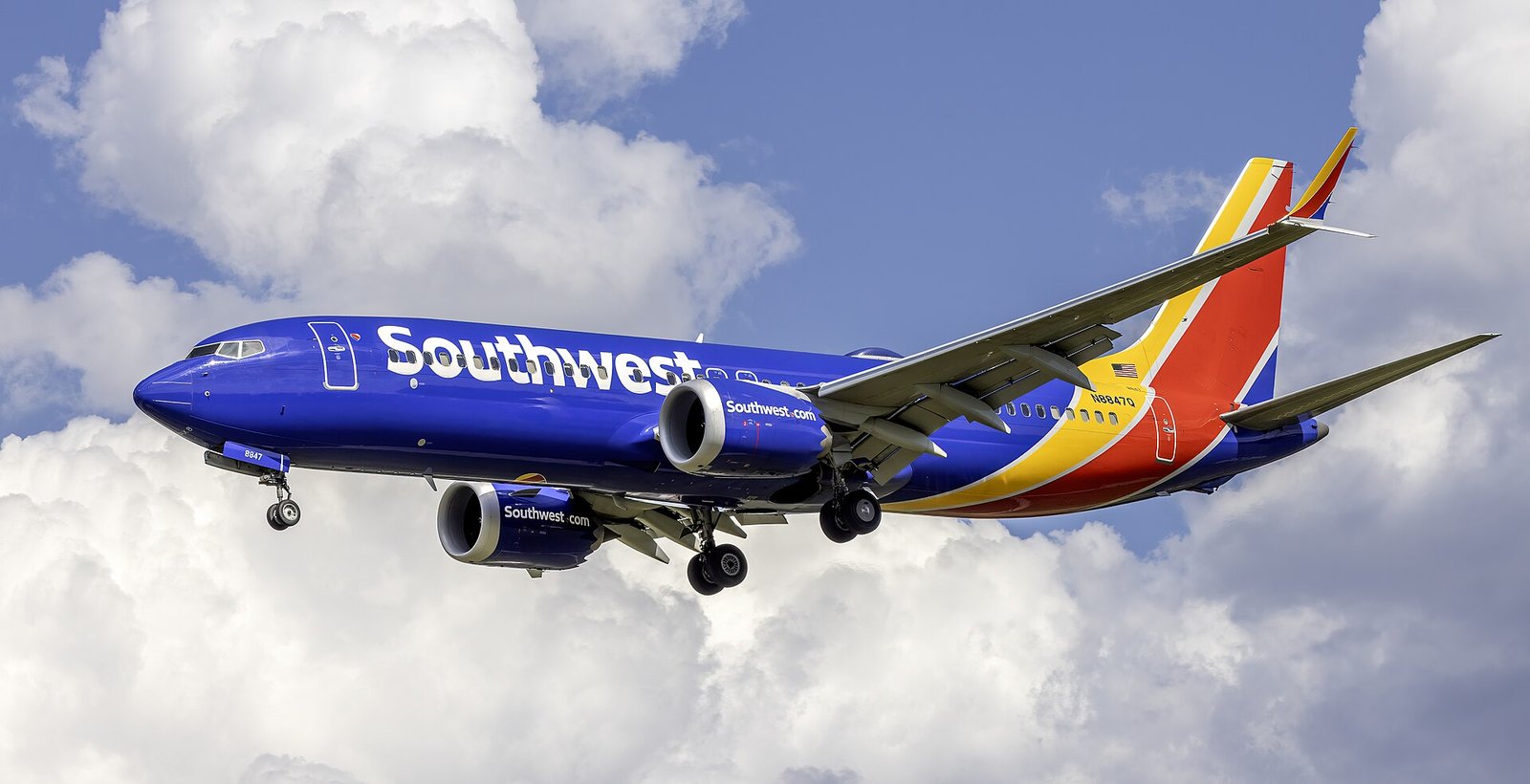
The fault surfaced in versions 14 and 14.1 of the operating system for the MAX’s flight management computer. Southwest Airlines and United Airlines have told Boeing they will not accept delivery of new aircraft running that software, opting instead for an earlier version. Alaska Airlines, American Airlines, Southwest and United all said none of the MAX jets currently flying in their fleets use the version in question.
The scenario Boeing described is rare. It requires a missed approach, combined with a pilot flying a precision approach, autopilot engaged, who then edits the flight plan. In normal conditions the system works as designed. Boeing has distributed the affected software only in recent deliveries, and the airlines say their in-service fleets do not run it.
In practice, the failure means a pilot flying a go-around may have to take additional steps during the subsequent approach, at low altitude and close to the airport, where crews are already at their busiest. Boeing and the FAA both described the fault as something pilots are trained to handle, but the training does not change the fact that it can surface at the worst possible moment.
The sequence that led here was slow. Boeing was first told of the issue by an airline in November 2024. It reviewed the matter and concluded in February 2025 that it was not a safety issue. Additional information from operators earlier this year prompted the company to convene a formal safety review board, whose findings were sent to the FAA this month.
The FAA said it will convene a Corrective Action Review Board to examine the issue, a step the agency uses to decide whether a problem demands immediate action. Boeing’s initial bulletin to airlines said a software fix would be ready in 2028, with updated pilot procedures by November. The company said it is working to accelerate both.
The MAX name carries unusual weight. Two crashes of the aircraft, in 2018 and 2019, killed 346 people and grounded the jet worldwide for nearly two years, the costliest episode in Boeing’s modern history. The plane has flown millions of flights since returning to service, but every new issue involving the type draws scrutiny far beyond what a routine software bulletin would normally attract.
The current fault is not the kind that caused the crashes. Boeing says the autopilot continues to function even if VNAV disengages, and that all pilots are trained to land without it. Analysts said the matter is more one of workload and reliability than of imminent danger, a distinction Boeing has been at pains to make.
The fallout may still be measured in schedules. The FAA’s review could further delay certification of the 737 MAX 10, the largest and longest-delayed variant of the family, which Boeing has spent years trying to get approved.
Boeing has spent the years since the grounding trying to prove the MAX is dependable, reorganizing its engineering and safety functions, slowing production to fix quality problems, and working through a backlog of regulatory reviews. The software fault does not, by the company’s account, pose an immediate danger, but it arrives as Boeing is trying to close out the MAX family’s remaining certifications and restore the confidence of airlines that grounded the plane once before.
The disclosure also lands at a delicate moment for the company’s relationship with its regulator. Boeing has spent years rebuilding the credibility it lost during the grounding, under an FAA oversight regime that tightened after the crashes. Each new software bulletin is a test of how far that trust has recovered.
For now, the fix is a piece of software that does not yet exist. Boeing’s engineers are writing it. Until it ships, the guidance to pilots is unchanged: be ready to fly the approach with less help from the computers.