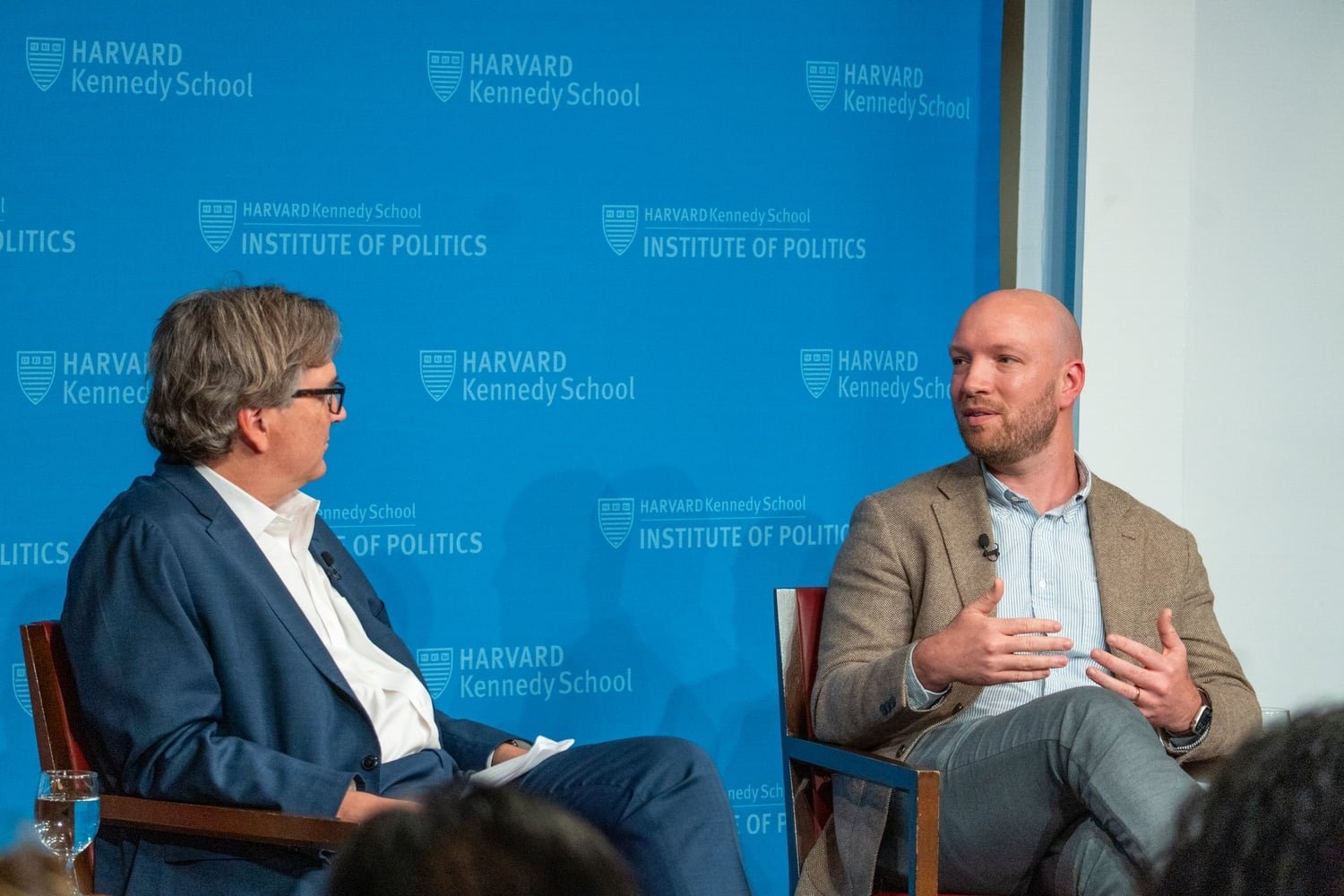
The remark was a matter-of-fact accounting of where the money and the minds are going. Boris Power, the head of applied research at OpenAI, said on September 27 that 80% to 90% of the company’s research effort is now aimed at GPT-7, GPT-8 and the models that come after them. The work left over for the current generation, he suggested, is deliberately small.
The company is doing more than shifting resources forward. It is holding back improvements it could ship today. Power’s comments describe a lab that is suppressing same-generation refinements in favor of a bigger bet further out, a choice that would have been unthinkable for a company that spent its first decade releasing new capabilities the moment they cleared internal testing.
The posture lines up with what OpenAI has been doing in public. The company has paused the training, evaluation and tool-calling reasoning of its strongest models, an unusual move for a lab that has historically shipped on a relentless cadence. The pause, and the shift of research toward models that are still years away, together read as a single strategic decision: throttle the present to buy speed for the future.
Part of the cost has already been booked. GPT-5.6, the previous generation, saw two of its models have their prices cut by as much as 80% in July. That move used up much of the margin the company could have leaned on, and it told customers that the last generation had become a commodity rather than a flagship.
Power’s role gives the statement weight. As head of applied research, he oversees the part of the organization responsible for turning raw model capability into products customers can actually use, the bridge between the frontier and the market. When the person in that seat says the frontier is moving elsewhere, it is a signal about where the company’s own executives believe the value will be created.
The strategy carries real risk. A company that stops improving its best available models gives competitors an opening to win customers in the near term. Anthropic, Google and a pack of smaller labs are shipping on their own cadences, and none of them has announced a pause. If OpenAI’s current lineup is seen as frozen, buyers with urgent needs may look elsewhere.
The bet is that the next generation is worth the wait. GPT-7 and GPT-8 are expected to require far more compute and far more money than anything OpenAI has built, and the company appears to be concentrating its scarce research talent on clearing those hurdles rather than on incremental gains. The cost of each successive model has risen sharply, and the frontier now demands data centers and chips measured in the tens of billions of dollars.
OpenAI has not said when GPT-7 will arrive or what it will be able to do. The company has talked for years about a progression toward systems that can reason, plan and act with more autonomy, and each generation has pushed further along that path. The shift Power described suggests the lab believes the next step is large enough to justify starving the current one.
Investors and enterprise customers are watching the sequence closely. OpenAI’s valuation rests in part on the promise of continuous, compounding improvement, and a deliberate slowdown in the present is only defensible if the future models deliver a leap rather than a step. Competitors, for their part, will read the pause as an invitation to push harder while the leader takes a breath.
The company’s model naming has itself become a subject of speculation. OpenAI skipped some version numbers and consolidated others, and the GPT-5 series arrived in stages, with GPT-5.6 the last of that line. The leap to GPT-7 implies the company is leaving behind the naming scheme of its current era, along with the incremental improvements that characterized it.
Tool-calling reasoning is among the capabilities the company has paused, a decision with direct consequences for customers. Many of the businesses that build on OpenAI’s models now use them to take actions across software and the web, and pausing that work means those customers wait longer for the systems they rely on to improve.
The pricing cuts on GPT-5.6 offer a clue about how the company views its last generation. Cutting prices by up to 80% is not something a company does to a product it still considers scarce. It is the pricing behavior of a seller clearing inventory before the new model arrives.
The question left hanging is whether the trade will pay off. OpenAI is betting that a pause in the near term buys a decisive advantage later. If the next generation slips, or if rivals close the gap while OpenAI’s best models stand still, the decision to hold back what it could have shipped will look less like discipline than like a missed window.