The case has already been thrown out once, rebuilt, and filed again. On September 28, Britain’s Competition Appeal Tribunal said it would allow part of a consumer class action against Apple and Amazon to proceed, giving the claimants another chance to argue that the two technology giants conspired to push up the price of Apple products on Amazon’s UK site.
The claim, brought on behalf of consumers who bought Apple products through Amazon, alleges that Apple and Amazon limited competition among sellers of Apple goods on the UK marketplace, a restriction the claimants say inflated what buyers paid. The tribunal did not accept the whole case; it agreed to let a portion of the claims go forward, and the scope of what survives will be worked out in the next phase.
Neither Apple nor Amazon had responded publicly to the ruling as of September 28. The two companies have consistently argued that their arrangement, which lets Apple sell directly and limits third-party sellers to a small set of authorized resellers, is legitimate and protects customers from counterfeit and gray-market goods.
The dispute traces back to an agreement Apple and Amazon reached in 2018, under which Apple products on Amazon were to be sold by Apple itself and a short list of approved resellers. The deal drew immediate scrutiny from regulators and from independent sellers who were pushed off the platform, and it has produced litigation on both sides of the Atlantic since.
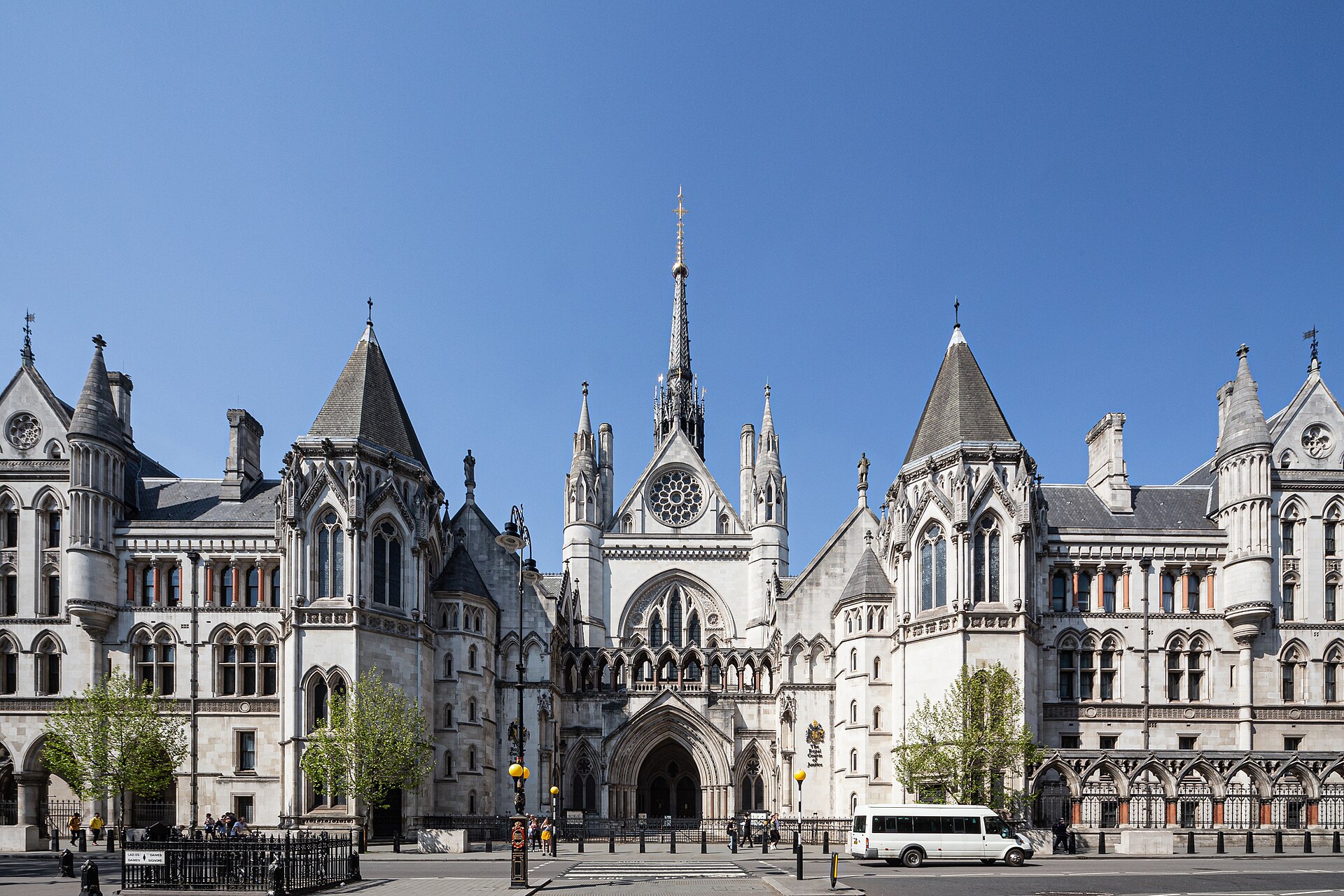
Britain’s Competition Appeal Tribunal is the forum for so-called collective proceedings, a class-action mechanism that lets a representative bring a claim on behalf of thousands or millions of consumers without each one signing up. The UK system operates on an opt-out basis for consumers based in the country, meaning they are included unless they actively remove themselves, and on an opt-in basis for others.
The mechanism is relatively young. It was given real teeth by the Consumer Rights Act of 2015, which opened the door to opt-out claims for breaches of competition law, and the first opt-out case did not reach a full judgment until years later. Since then, a small industry of claimant firms and litigation funders has grown up around it, targeting some of the largest companies operating in Britain.
The case took a winding path to this point. An earlier version was dismissed, and the claim was reworked and resubmitted with a narrower set of allegations. Reuters reported on September 28 that only some of the claims have been allowed to proceed, and that any finding of liability remains a long way off. The tribunal’s job at this stage is not to decide whether the companies broke the law, but whether the claim is strong enough to be worth hearing.
The ruling matters less for its immediate consequences than for what it signals. Competition class actions in the UK have become serious business, and a case that survives this early stage, even in part, can command a payout measured in hundreds of millions of pounds if the full claim is eventually proved.
For Apple and Amazon, the cost is manageable but the precedent is not. Both companies face a growing docket of competition claims in Europe, and each victory for claimants makes the next case slightly easier to bring. The tribunal’s decision to let part of this one live means the two firms will spend another stretch of years defending an agreement they struck nearly a decade ago.
The UK case has a cousin in the United States. American courts have already grappled with the same 2018 agreement, and the litigation there has produced mixed results for the companies, with some claims dismissed and others still working their way through appeals. The parallel proceedings mean the two firms are defending the same basic arrangement on two continents at once.
Collective proceedings in Britain require a claimant to show a plausible path to a common harm, which is why so many claims founder at the certification stage. The tribunal’s decision to let part of this one through suggests the claimants have, at least on some allegations, cleared that bar. What they have not yet done is convince the tribunal that the full scope of the case is worth hearing.
The stakes for consumers, if the claim is proved, are substantial. Competition cases of this kind argue that millions of shoppers paid a few pounds more than they should have on countless small purchases, a harm that is nearly invisible per transaction but large in the aggregate. That arithmetic is what makes the cases worth funding, and worth fighting.
What the surviving claims actually allege, and how broad the class will be, is still to be decided. The tribunal has given the case oxygen. Whether the claimants can prove that a restriction on who sells Apple products actually cost British shoppers money is a question that will now be argued in full.