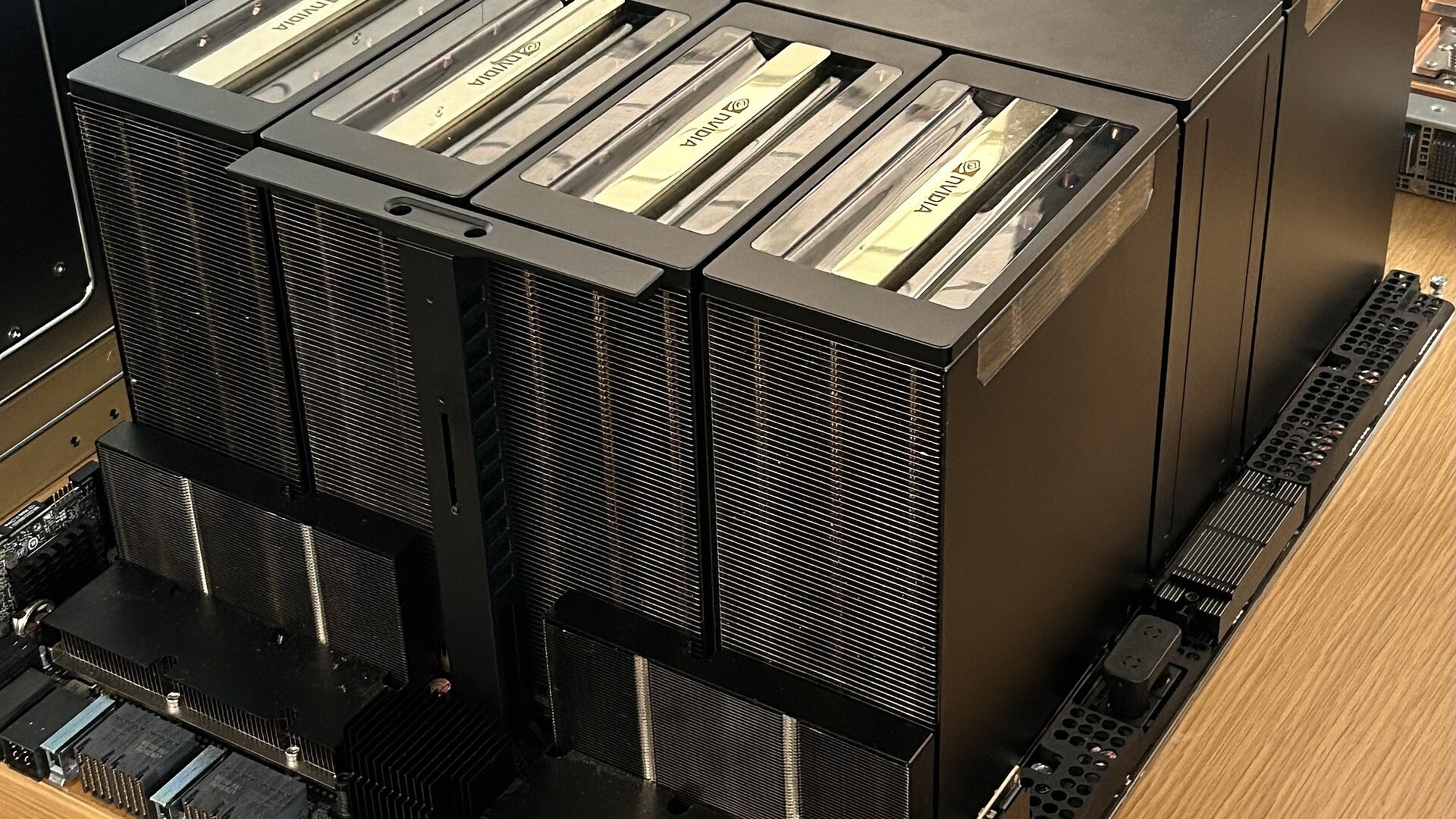
The newest and most expensive computer chips inside Amazon’s data centers are about to stop appearing on the company’s own books. Amazon plans to move thousands of Nvidia Grace Blackwell processors, worth about $8 billion, into a special-purpose vehicle that outside investors will fund by issuing debt, the Financial Times reported on October 2. Amazon would then lease back the right to use the chips.
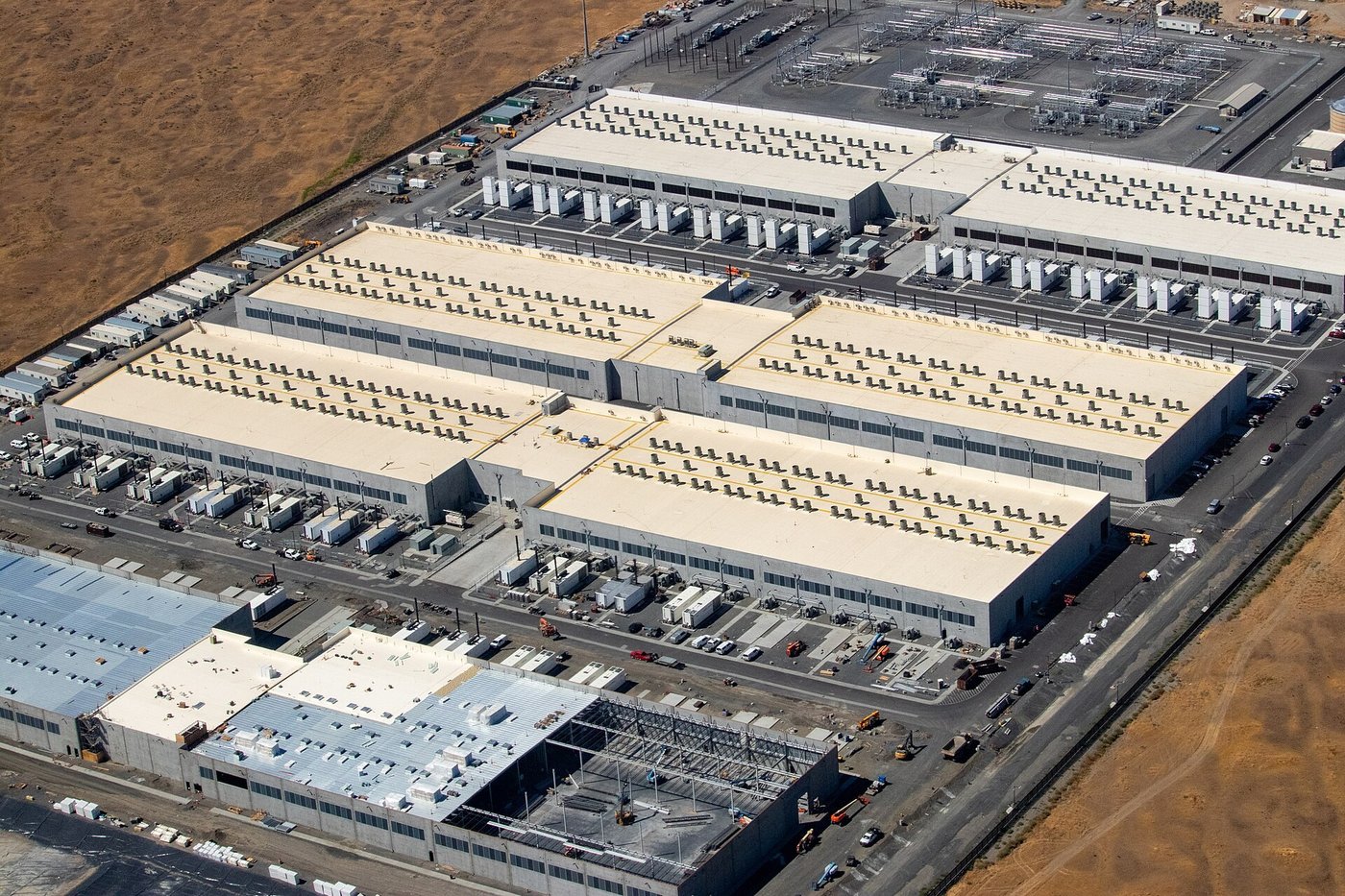
The chips are already installed. They sit in more than a dozen data centers across five states, including Nevada and Virginia, doing the heavy computational work that powers Amazon’s cloud business. What changes is the accounting: the assets, and the cost of buying them, would move to the vehicle, while Amazon keeps control of the hardware through a lease.
The structure is a way to lighten a balance sheet that has been weighed down by an enormous build-out. Amazon’s capital spending this year has passed $200 billion, and the largest share of that money has gone to AWS, its cloud-computing division. Chips are the single most expensive ingredient in that spending, and the Grace Blackwell processors are among the priciest Nvidia makes.
Under the plan, Amazon would give the vehicle up to a 10% equity stake and keep no ownership itself, according to the report. The investors would put up the money, carry the risk on the debt, and collect payments tied to the lease. Amazon would get something it prizes: the use of the chips without having to carry their full cost on its balance sheet.
The move resembles a sale-and-leaseback, the kind of financing long used for buildings and aircraft, applied to silicon. In a sale-and-leaseback, a company sells an asset to an investor and rents it back, freeing capital while keeping use of the asset. The difference here is scale and speed: the chips being financed did not exist as a category of collateral a few years ago, and now they underpin financing measured in billions of dollars.
For investors, the appeal is a claim on cash flows tied to hardware that is in demand. For Amazon, the appeal is capital efficiency. The company has been spending at a pace that has drawn attention from shareholders, who watch the balance sheet as closely as the income statement. Moving billions of dollars of hardware off the books, while keeping the computing capacity, is a way to keep growing without the full weight of the bill showing up all at once.
The announcement landed on the same day AWS said it would spend more than $1 billion over the next five years on the communities that host its data centers, and that it would work to address the effects of its electricity and water use. The two disclosures point in the same direction: the data-center build-out is now large enough that both its financing and its footprint on the ground have become subjects of public negotiation.
The financing trend extends well beyond Amazon. Across the industry, companies that spent heavily on AI infrastructure are looking for ways to recover cash from the assets they have bought, and a growing set of lenders and credit investors has stepped in to provide it. Chips, once an input purchased and depreciated quietly, have become a form of collateral, and the debate over what they are worth years from now is now a live negotiation rather than an accounting footnote.
What Amazon is doing is not unique, but its size gives the deal weight. An $8 billion transaction tied to the industry’s most sought-after processors will be studied by other cloud providers and by the lenders sizing up similar structures. If it works, it will make the model easier to repeat. If the terms turn out to be expensive, it will be read as a warning about what the balance-sheet cleanup of the AI build-out actually costs.
For AWS, the decision is also a statement about where the next phase of growth will come from. The division has been the profit engine behind Amazon’s expansion for years, and its leaders have signaled that the AI build-out is only beginning. Financing that build-out without letting every dollar land on the balance sheet is a way to keep the return on invested capital from deteriorating as the spending accelerates. The investors who take the other side of the deal are betting the opposite: that the lease payments will more than cover the depreciation risk they are being asked to absorb.
For now, the chips keep running. The financing changes who owns them and who bears the depreciation risk, not what they do. That is the quiet point of the arrangement: Amazon wants the computing power, and it wants it without the $8 billion sitting on its books.